Physical activity plays a crucial role in a child’s overall development. From enhancing physical health to boosting emotional well-being, regular exercise offers numerous benefits that support a child’s growth in multiple areas. In today’s tech-centric world, it’s more important than ever to encourage children to engage in active play and exercise. Let’s explore some of the top reasons why exercise is so beneficial for children.
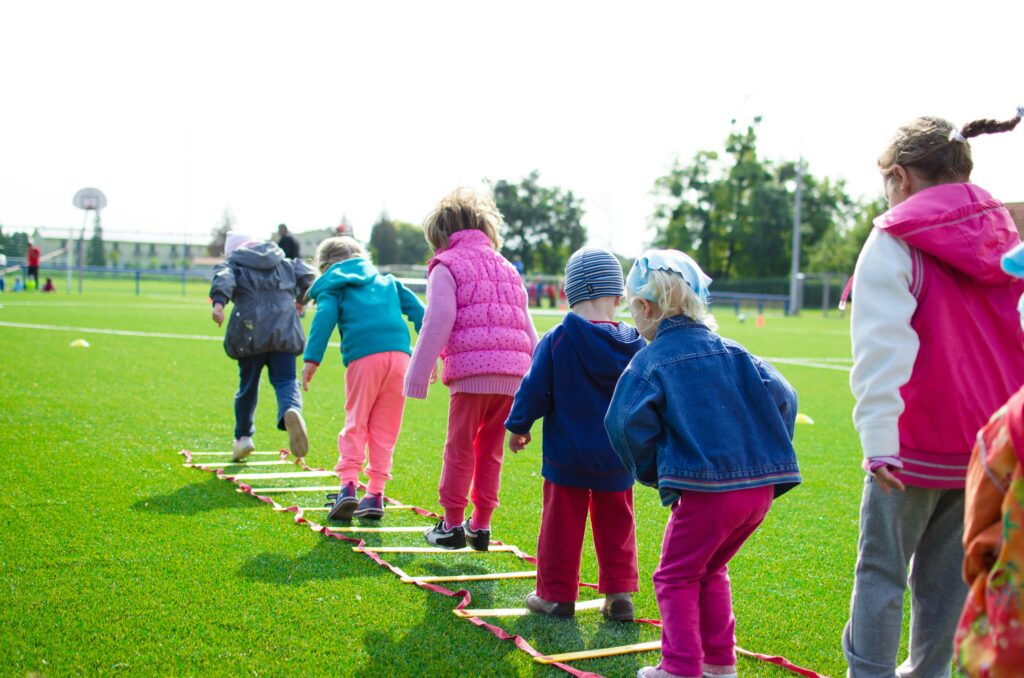
1. Physical Health Benefits
This independent school in Hertfordshire suggests that exercise is essential for promoting strong bones, muscles, and cardiovascular health in children. It helps maintain a healthy weight and prevents conditions such as childhood obesity, which can lead to long-term health problems.
Stronger Muscles and Bones: Regular exercise like running, jumping, and climbing helps build strong muscles and bones, which are vital for growth and reducing the risk of injuries.
Improved Cardiovascular Fitness: Engaging in aerobic activities like cycling, swimming, or playing sports can improve heart and lung function. This supports overall endurance and stamina.
Maintaining a Healthy Weight: Exercise helps burn calories and regulate metabolism, which is key to maintaining a healthy weight and reducing the risk of obesity and related health conditions, such as diabetes.
2. Cognitive Benefits
Physical activity isn’t just good for the body—it’s also great for the brain. Studies have shown that children who are physically active tend to perform better academically.
Boosted Brain Function: Exercise increases blood flow to the brain, enhancing cognitive function, memory, and attention span. This can lead to better concentration and improved learning outcomes in school.
Improved Problem-Solving Skills: Many physical activities, especially team sports, require children to think strategically and solve problems, helping to develop critical thinking skills.
Better Academic Performance: Children who exercise regularly are more likely to perform well in school, as physical activity helps reduce stress and improve focus.
3. Emotional and Mental Health Benefits
Exercise is a natural mood booster, and it can play a significant role in a child’s emotional and mental well-being.
Reduced Anxiety and Stress: Physical activity helps release endorphins, the body’s natural “feel-good” chemicals, which can help reduce anxiety and stress. Children who exercise regularly are more likely to have a positive outlook and better emotional resilience.
Improved Self-Esteem: Achieving physical milestones—whether learning to ride a bike or scoring a goal in soccer—can significantly boost a child’s confidence and self-esteem.
Better Sleep: Regular exercise promotes better sleep patterns, which is crucial for mood regulation, concentration, and overall mental health.
4. Social Benefits
Exercise, especially when done in group settings, helps children develop important social skills that are necessary for their overall development.
Teamwork and Cooperation: Participating in team sports teaches children how to work with others towards a common goal, enhancing their teamwork and leadership skills.
Making Friends: Group activities provide opportunities for children to socialise and form friendships, helping them develop communication and relationship-building skills.
Learning Discipline and Patience: Sports and physical activities often require children to follow rules, practice self-control, and demonstrate patience, all of which are important life skills.
5. Long-Term Healthy Habits
By encouraging children to exercise regularly, parents and caregivers help instil lifelong healthy habits.
Positive Attitudes Toward Fitness: Children who learn to enjoy physical activity at a young age are more likely to continue exercising throughout their lives, leading to a healthier adulthood.
Better Understanding of Health: Regular exercise teaches children the importance of taking care of their bodies and the value of maintaining a balanced lifestyle.
Exercise offers countless benefits for children, from improving physical health to boosting cognitive abilities and emotional well-being. Encouraging children to engage in regular physical activity helps set the foundation for a healthier, happier, and more successful future. Whether it’s through organised sports, free play, or family activities, making exercise a part of their daily routine can lead to lifelong positive outcomes.