
Good oral health does not come from doing a great deal. It comes from doing a few small things consistently, on the days when it feels easy and on the days when it does not. Most people already know the basics.
The gap is rarely knowledge. It is the gap between what we intend to do and what actually happens at eleven o'clock at night when everyone is tired and the day has run long. A routine that asks too much of you tends to collapse within a week. A routine built around a handful of reliable habits can hold for years.
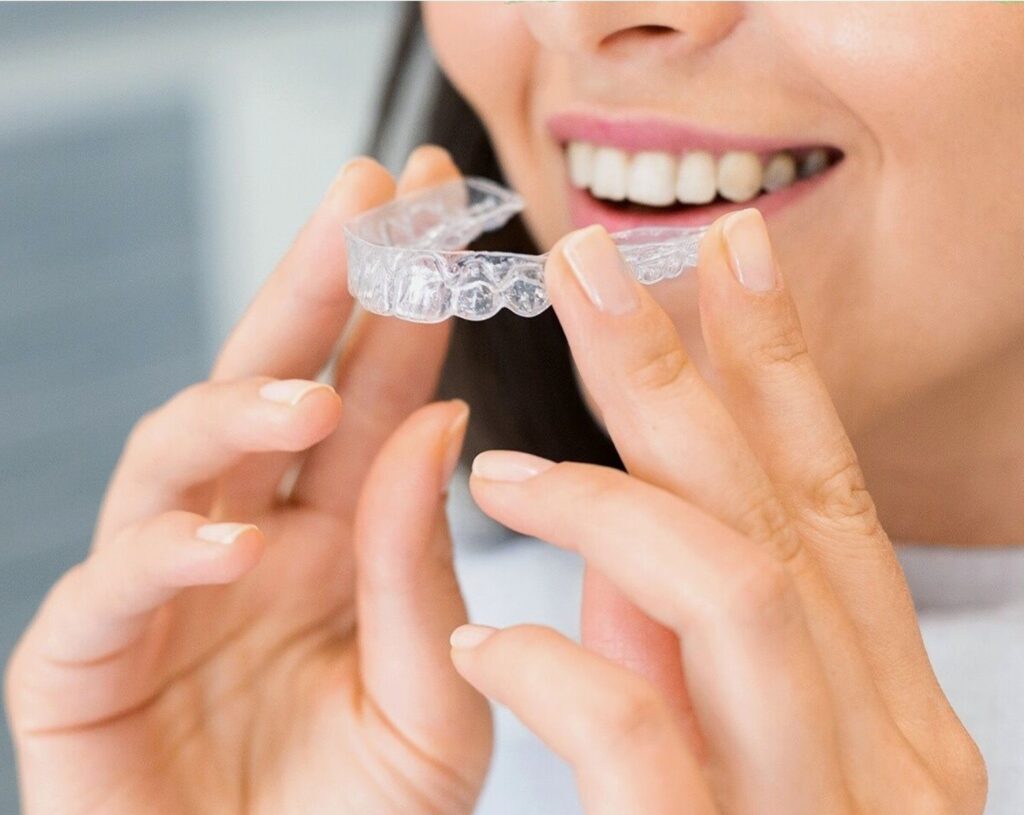
Where Healthy Teeth Really Start
Most families want to keep their teeth in good condition, but daily routines have a way of slipping when schedules get busy. A pediatric dental team is often the first place parents turn when brushing has become a nightly argument and small problems start going unnoticed for months at a time.
A practice built specifically around treating young patients offers the kind of patient, age-appropriate guidance that helps a routine survive real life rather than only working on paper. Families looking for that steady support often begin with the Justin Maccaro pediatric dental team, where care is shaped around each stage of a child's growth.
Why Simple Routines Outlast Ambitious Ones
There is a common pattern. Someone decides to overhaul their oral care, buys four new products, and commits to a six-step nightly process. It works beautifully for about ten days. Then a late night happens, a step gets skipped, and the whole structure quietly falls apart.
The alternative is less exciting and far more effective. Pick the two or three habits that carry most of the benefit, and protect those above everything else. Brushing twice a day and cleaning the gaps your brush cannot reach will do more for your mouth than any elaborate routine you cannot sustain.
Brushing Well Matters More Than Brushing Often
Technique is where most of the value hides. A rushed thirty seconds twice a day does noticeably less than two careful minutes. The bristles should sit at a slight angle where the tooth meets the gum, because that line is where trouble tends to begin. Small, gentle movements work better than long scrubbing strokes, and pressing harder does not clean better. It wears down enamel and irritates the gums over time.
Soft bristles are the right choice for almost everyone. Medium and firm brushes feel more thorough, but that feeling is misleading. It also helps to change your brush every few months, or sooner if the bristles start to splay outward. A worn brush cannot reach where it needs to reach, no matter how carefully you use it.
The Quiet Value of Flossing
Cleaning between the teeth is the habit people are most likely to abandon, and it is the one that quietly protects the areas a brush simply cannot reach. Roughly a third of each tooth surface sits between teeth, hidden from the bristles entirely.
If traditional floss has never worked for you, that is worth solving rather than accepting. Floss picks, interdental brushes, and water flossers all clean effectively, and the best one is whichever you will actually pick up each night. There is no prize for using the traditional method badly. Consistency beats method every time.
Timing helps too. Doing it before brushing, rather than after, means you are less likely to decide you have already done enough and walk away.
Helping Children Build Habits That Last
Young children learn oral care mostly by copying what they see. If brushing is treated as a chore to be endured, that is the attitude that gets absorbed. If it is simply part of the evening, unremarkable and expected, it becomes automatic far more quickly.
Brushing together works better than supervising from the doorway. Letting a child hold their own brush first, then following behind to cover what they missed, gives them a sense of ownership while making sure the job is actually done. Most children need help with thoroughness well past the age they think they do.
Avoid using dental care as a punishment or a bargaining chip. The goal is neutrality, not enthusiasm. A habit that feels normal survives far longer than one that depends on a reward.
Why Regular Checkups Still Matter
Home care handles daily maintenance. It does not handle early detection. Many problems in the mouth cause no discomfort at all until they are well advanced, which means the absence of pain is not evidence that everything is fine.
Regular professional visits catch small issues while they are still small and inexpensive to address. They also remove hardened buildup that no amount of home brushing can shift once it has formed. Treating these appointments as routine maintenance rather than something you schedule when a problem appears is one of the more valuable shifts a person can make.
Small Signs Worth Paying Attention To
A few things are worth noticing rather than waiting it out. Gums that bleed regularly during brushing are not normal, even though it is common. Persistent sensitivity to hot or cold, ongoing bad breath that survives brushing, and any tooth that feels different when you bite down all deserve attention.
None of these are cause for alarm on their own. They are simply information. Acting on them early almost always means a simpler fix than acting on them late.
Keeping the Habit Once You Have It
Progress in oral health is invisible in the short term, which makes it easy to neglect. Nothing visibly improves after a good week of brushing, and nothing visibly worsens after a bad one. The results arrive quietly, over years, in the form of problems that never developed.
That is worth remembering on the nights it feels pointless. You are not maintaining your teeth for how they look tomorrow. You are maintaining them so that a decade from now, there is very little to fix. A simple routine, held loosely but rarely broken, is what gets you there.