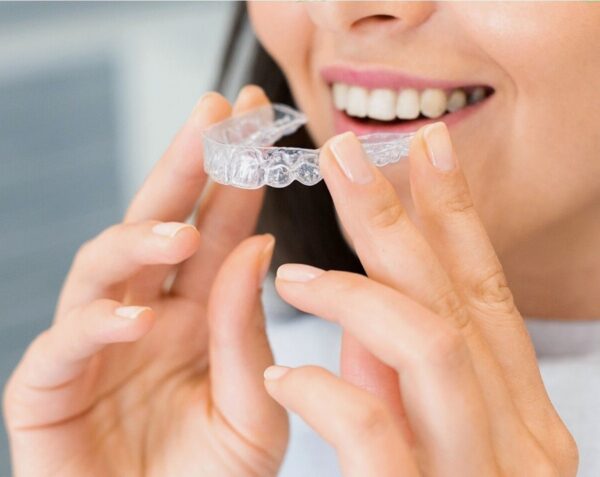
Losing a tooth can change more than the way you chew. If the missing tooth is visible when you smile, you may also worry about how noticeable a replacement will be. Nobody wants a new tooth that looks obviously different from the rest.
Dental implants are designed to replace missing teeth while restoring normal function and appearance. This is especially relevant for people considering having the procedure in Beverly Hills, where cosmetic results may be just as important as comfort and function. But how natural can an implant actually look?
Past results can give you some useful clues. They can show how well the replacement tooth matches the surrounding teeth, how the gum line looks, and whether the final smile appears balanced.
What Makes an Implant Look Like a Natural Tooth?
A dental implant has several parts, but the part people see is the crown. The implant post sits in the jaw and acts as an artificial tooth root, while the abutment connects the post to the crown.
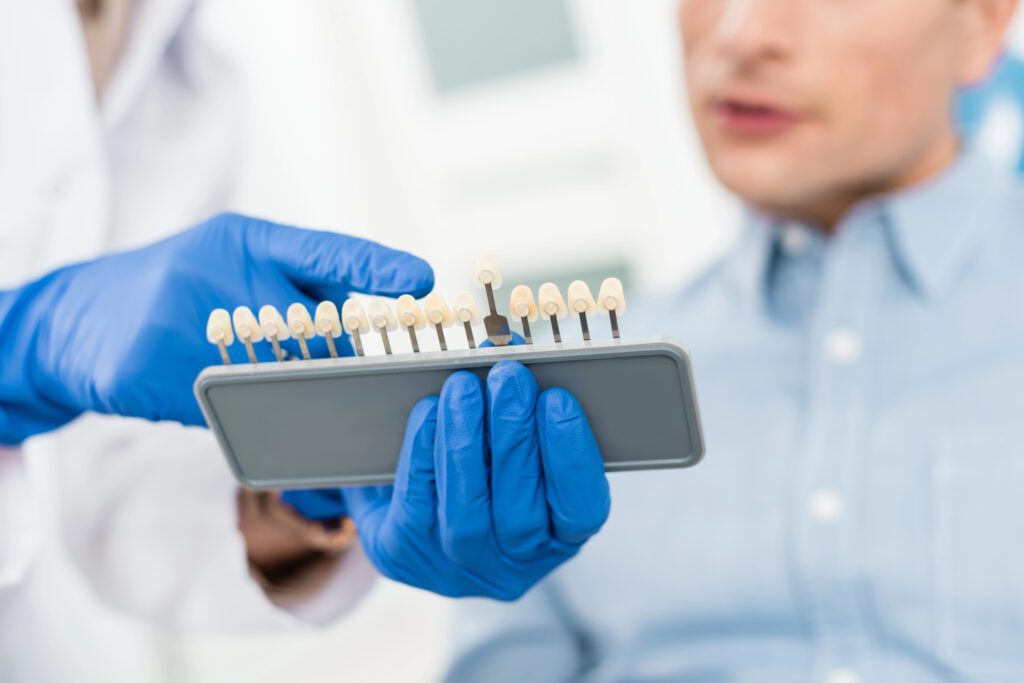
The crown has to do most of the visual work. Its color, shape, size, position, and relationship with the surrounding teeth can all affect whether it looks natural.
This is why simply choosing a white crown is not enough. Natural teeth are not all the same shade, and they do not have identical shapes. A front tooth, for example, may need a different shape and level of translucency from a back tooth.
A good result should fit into the smile rather than stand apart from it.
Before-and-After Photos Can Show More Than You Think
Before-and-after photos are one of the most useful ways to look at past dental implant results. But it helps to know what you are looking for. So when checking out dental implants in Beverly Hills, start with the color. Does the replacement tooth blend with the neighboring teeth, or does it look noticeably brighter?
Then look at the shape. Is the crown similar in width, length, and general form to the natural teeth around it? You can also look at the gum line. A crown that has the right color but sits awkwardly against the gums may still look unnatural.
The overall smile matters too. A single implant should not draw attention simply because it is different.
The Crown Needs to Match More Than Color
Matching the shade of a replacement tooth is important, but it is only one part of the process.
The crown also needs to work with the patient's bite and surrounding teeth. Its size and shape can affect how it fits into the smile, while its position can affect how natural it looks when the person talks or smiles.
This is where careful planning becomes important. Dr. Kourosh Maddahi’s implant information explains that crown design can take into account the type of tooth being replaced, the patient's existing smile, the material used, and factors such as size, shape, and color. The practice also describes having its laboratory team make adjustments to the crown before it is permanently placed.
That kind of attention can be important because a natural-looking result usually comes from several small details working together.
The Material Can Affect the Appearance
The material used for the visible crown can also influence the final appearance. Modern dental restorations can be made from different ceramics and other materials, depending on the tooth being replaced and the patient's needs.
Zirconia is one option for people who want a ceramic alternative to titanium. Because zirconia is white while titanium is gray, the material may be considered when the appearance of the implant area is an important concern, particularly where the gum tissue is thin or has receded.
That does not mean zirconia is automatically the right choice for everyone. The best material depends on the individual situation, including the location of the missing tooth and the condition of the surrounding tissues.
What Past Results Cannot Tell You
Before-and-after photos are helpful, but they cannot guarantee that your implant will look exactly the same.
Every mouth is different. The color and shape of the surrounding teeth, the amount of available bone, the gums, the position of the missing tooth, and the way the teeth come together can all affect the result.
The condition of the jaw also matters. The implant needs enough healthy bone to provide support, and some patients may need bone grafting before an implant can be placed. The treatment may also take several months because the implant needs time to integrate with the jawbone before the final crown is attached.
So, a beautiful result in someone else's smile should be viewed as an example of what can be achieved, not a promise of what your own result will look like.
Final Thoughts
Dental implants can look natural when the replacement tooth fits well with the rest of the smile. Color, shape, size, position, and the gum line all contribute to how convincing the final result appears.
Past results can help you understand what is possible, but they should not be treated as a promise of the same outcome. Your teeth, gums, jaw, and overall smile are unique. Looking at previous results with your dentist can give you a better idea of what may work for you and help you ask more useful questions before treatment begins.