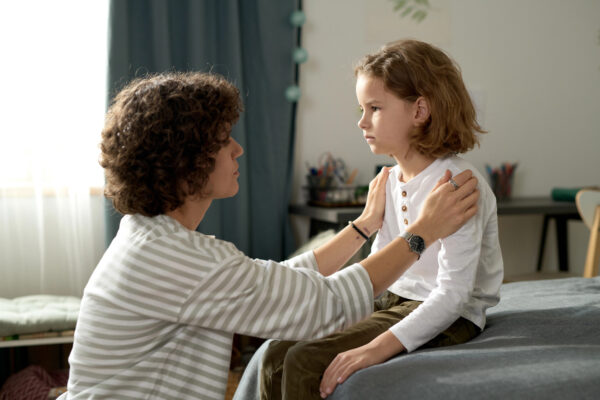
In today’s fast-paced world, children can experience stress and anxiety, just like adults. Introducing mindfulness to your child can help them cultivate inner calm, focus, and emotional resilience. In this blog, we will explore what mindfulness is, its benefits for children, and some simple practices you can try together as a family.
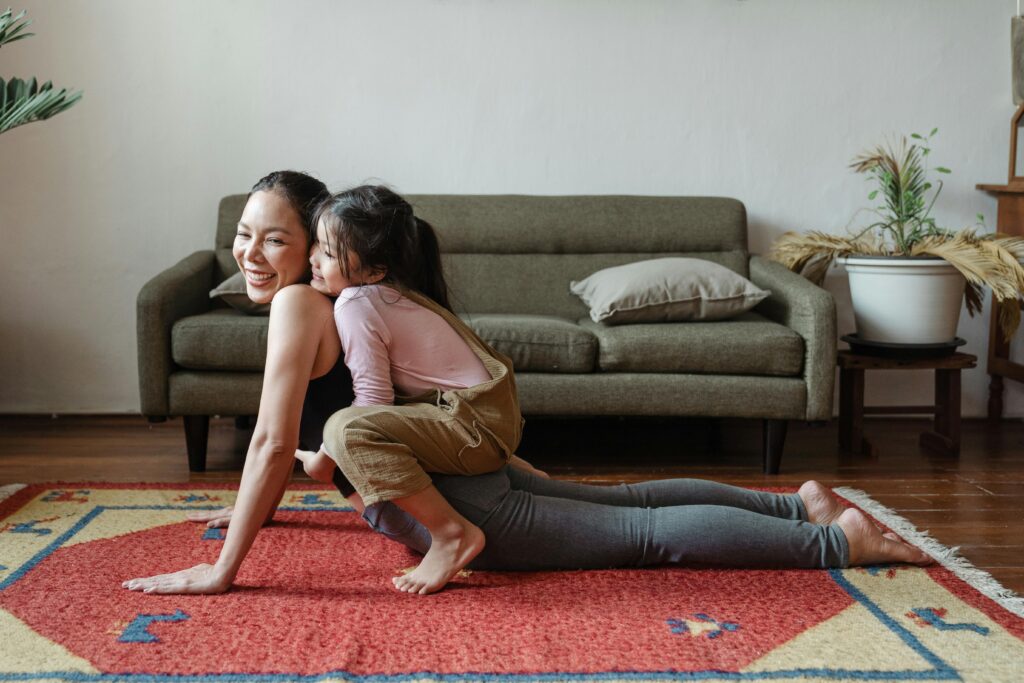
What is Mindfulness?
Mindfulness is the practice of being fully present in the moment, aware of your thoughts, feelings, and surroundings without judgment. For children, mindfulness can be as simple as paying attention to their breathing, feeling the textures of objects, or observing nature. This independent school in Surrey recommends teaching kids mindfulness as it helps them understand their emotions and respond to them more calmly, reducing impulsive reactions and stress.
The Benefits of Mindfulness for Children
Introducing mindfulness to children offers a range of benefits that support their emotional, mental, and physical well-being. Here are some key advantages:
Improved Focus and Attention: Regular mindfulness practice helps children develop their concentration skills, making it easier for them to focus on schoolwork or other tasks.
Emotional Regulation: Mindfulness encourages children to notice their feelings without being overwhelmed by them. This can lead to better emotional regulation and a greater ability to manage stress or anxiety.
Better Sleep: Mindfulness helps quiet the mind, which can lead to improved sleep quality for children who may struggle with anxiety or overactive thoughts at bedtime.
Increased Compassion: By fostering self-awareness, mindfulness also encourages empathy and kindness, as children become more attuned to their own and others’ emotions.
Enhanced Problem-Solving: Mindfulness helps children stay calm during challenging situations, allowing them to think more clearly and approach problems with greater creativity and flexibility.
Simple Mindfulness Practices for Kids
Mindfulness doesn’t need to be complicated. There are many simple activities you can do with your child to introduce mindfulness in a fun and engaging way.
1. Mindful Breathing
Teach your child to take deep, slow breaths to calm their body and mind. You can call this “belly breathing” and ask them to place a stuffed toy on their belly, watching it rise and fall with each breath. This simple exercise helps children focus on their breathing and brings them back to the present moment.
2. Sensory Awareness Walk
Take a walk outside and encourage your child to use their senses to explore the world around them. Ask them to notice five things they can see, four things they can touch, three things they can hear, two things they can smell, and one thing they can taste (if appropriate). This exercise helps ground children in the present while enhancing their awareness of their surroundings.
3. Mindful Listening
Sit quietly with your child and listen to the sounds around you. You can play soft music or simply listen to nature. Ask your child to describe what they hear without judgment or labelling it as good or bad. This exercise sharpens their listening skills and brings their attention to the present.
Creating a Mindful Routine at Home
Incorporating mindfulness into your daily routine doesn’t have to take much time. Start with just a few minutes each day. You could introduce mindful breathing before bedtime or practice a sensory awareness activity after school. The key is consistency—regular practice helps mindfulness become a natural and enjoyable part of your child’s life.
Mindfulness offers children a valuable toolkit for managing stress, building emotional resilience, and enhancing their overall well-being. By exploring mindfulness with your child, you are not only fostering their personal growth but also strengthening your connection as a family. Embrace the opportunity to slow down, be present, and explore the wonders of mindfulness together.