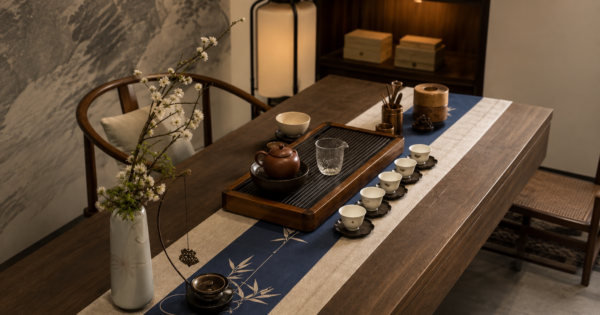
Most people who want their home to feel more personal start by shopping for cushions, prints and candles. Once everything is purchased and in place it still feels like the room belongs to someone else. It happens because the bigger elements, such as the paint, the doors, the skirting and the lighting, are still whatever the builder or the previous owner happened to choose.
Those are the things everything else is judged against, so changing them tends to make a house feel like yours far more quickly than adding new objects on top, and it often costs less than replacing a sofa.
Test Paint Properly Before You Commit
Paint is where most people begin, and many choose poorly because they pick from a small chip under the harsh lighting of a shop. Buy sample pots instead and paint patches of a decent size on at least two walls, then look at them in the morning and again in the evening with your own lamps on. The same colour can look cool and grey at noon and warm and flat at night. Rooms that face north tend to drain colour, so they usually suit warmer shades than you would pick on instinct. Preparation matters more than the paint itself, and filling holes, sanding smooth and taping edges before you start is what makes a wall look professionally finished rather than merely repainted.
Use Joinery to Give Rooms Some Structure
Skirting boards and architrave are easy to ignore, but a taller and more substantial profile can change how a whole room feels, since it gives the walls a stronger base and makes doorways look like a deliberate part of the design rather than a gap that happened to be left in the wall.
Panelling is the next step up if you want more depth. Shiplap or tongued and grooved boards fitted to the lower half of a hallway wall or behind a bed will add pattern without the commitment of wallpaper, particularly if you paint them a shade darker than the wall above.
Change the Hardware You Touch Every Day
The things you handle constantly, such as door handles, hinges, cabinet pulls and the letterbox, deserve more attention than they usually get. They cost a lot less than refurbishing a kitchen or a bathroom, but a set that looks luxurious and
complementary to each other has a bigger effect on how the house feels than you might expect.
Picking a single finish and using it consistently, whether that is black, brushed brass or satin steel, is usually enough to make a collection of ordinary fittings look considered, and if some of your internal doors are looking tired you can replace them gradually, one at a time, without turning the house into a building site. Switches and sockets also come in different finishes. Any electrical work should be done by a registered electrician, so it is best to choose what you like and hand the fitting over to them.
Get the Floors and Lighting Working Together
Carrying the same flooring through connected rooms makes a smaller house feel more open. Laminate suits busy areas well because it stands up to wear and can be laid by a competent DIYer, as long as you buy the correct underlay, trims and reducers so the floor finishes properly at doorways instead of ending abruptly. Lighting is where many homes fall short, since a single bulb in the centre of the ceiling flattens a room and makes everything look harsher than it needs to. A few lamps placed at different heights with warm bulbs of around 2700K will make the same space feel far more relaxed; adding a dimmer to the main light lets you use the room differently in the morning and late in the evening.
Add Storage That Looks Built In
Alcoves on either side of a chimney breast are the obvious place to add shelves. Consider building them from plywood or MDF and painting them the same colour as the wall to give you storage that looks fitted at a fraction of the price of made-to-measure furniture. If you would like something warmer, solid timber shelves in walnut or ash work well in a living room or study, while a timber worktop in a kitchen or utility room brings in some texture (as long as you are prepared to seal it and look after it). Storage that is built into the room rather than added afterwards tends to be what makes a house feel settled rather than simply furnished.
Choose One Feature to Build a Room Around
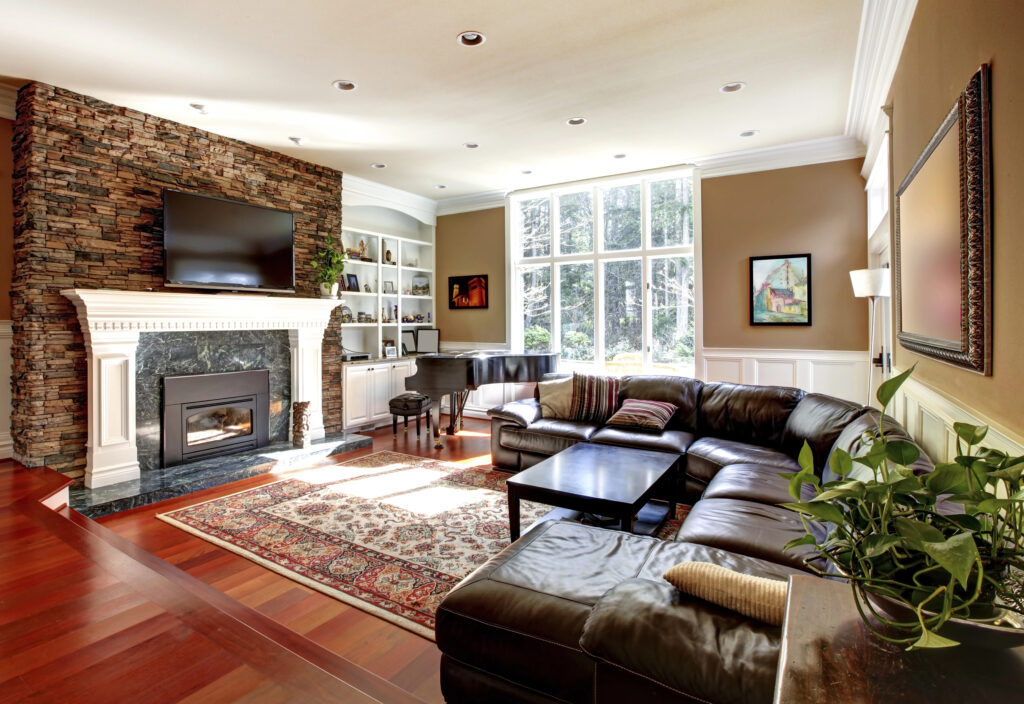
Most rooms benefit from having one thing that draws the eye, and in a living room a stove or fireplace usually does that better than anything else you could add. Flues, liner and installation must be handled by a qualified installer so that it is safe and meets the relevant requirements, which means it should go on your list early rather than being squeezed in at the end.
In a bedroom the same role might be played by a panelled feature wall, and in a kitchen by a good worktop, but in every case the aim is to pick one element to build the room around and let the other choices support it rather than compete with it.
Do the Work in the Right Order
The order in which you do the work matters more than most individual product choices, because finishing a room and then having to cut into it is the most common way people end up paying for the same job twice.
Plumbing, electrics and any structural changes should come first, followed by plastering, joinery, painting and flooring, with furniture and ornaments going in last. For larger jobs it is worth working out quantities with a materials calculator before you order anything so you do not run short halfway through. Hiring any tool you will only use once is nearly always cheaper than buying it.
Finish One Room Before Starting the Next
If you are unsure where to begin, pick a single room and complete it fully before moving on, since you will learn a good deal about your own taste from the first one and make better decisions in every room after it. A personal home tends to build up over time rather than arriving all at once, so leave some room to add things as you find out what you need.