Somewhere between busy mornings, changing bodies, and the quiet passing of years, most women eventually notice a shift in the shape of their breasts. It might show up subtly at first, in the way a favorite bra fits differently, or in a swimsuit that used to sit just right. For many women across San Antonio, this quiet change often becomes the first step in a very personal conversation about breast sagging and what can actually be done about it.
The good news is that breast sagging is completely normal, well understood, and highly treatable. Here is what really causes it and the modern options that can address it beautifully.
Why Breast Sagging Happens in the First Place
Breast sagging, medically called ptosis, is caused by a combination of factors that most women experience at some point in life. The breast is supported by ligaments called Cooper's ligaments, along with the surrounding skin. When either of these loses tension over time, the breast begins to shift downward. It is a natural process that happens to nearly everyone.
The pace and degree of sagging vary widely between women, largely depending on genetics, lifestyle, and life events. Some women notice it early. Others do not see meaningful change until much later.
The Most Common Causes Behind the Change
Understanding what leads to breast sagging can help women take steps to slow it, prevent worsening, or decide when a permanent solution feels right. The most common causes include:
• Pregnancy and breastfeeding, which stretch the tissue and skin
• Weight fluctuations, especially rapid gain and loss
• Genetics, which influence skin elasticity and breast shape
• Aging, which naturally reduces skin firmness over time
• Larger breast size, which places more strain on ligaments
• Sun exposure, which damages the collagen supporting the chest
• Smoking, which weakens collagen and elastin production
Most women experience more than one of these, which is why sagging tends to become more noticeable in the 30s, 40s, and beyond.
Why Exercise Cannot Fully Restore Firmness
This is one of the most common misconceptions about breast sagging. Chest exercises like push-ups or presses can strengthen the pectoral muscles underneath the breast, but they cannot lift the breast tissue itself. The breast is made of glandular and fatty tissue, not muscle, so no workout can restore firmness once the ligaments and skin have stretched.
That does not mean fitness is useless. It supports overall posture, chest strength, and body confidence. It just cannot address the specific structural change that causes sagging.
The Skincare Myth About Sagging Breasts
Many women turn to firming creams or serums, hoping they will restore lift. Unfortunately, no topical product can penetrate deeply enough to change the internal structure of the breast. Skincare has real value for the appearance and health of the chest area, but structural changes require structural solutions.
Once women understand that sagging is a physical, not surface-level, issue, the decision-making becomes clearer.
What a Breast Lift Actually Does
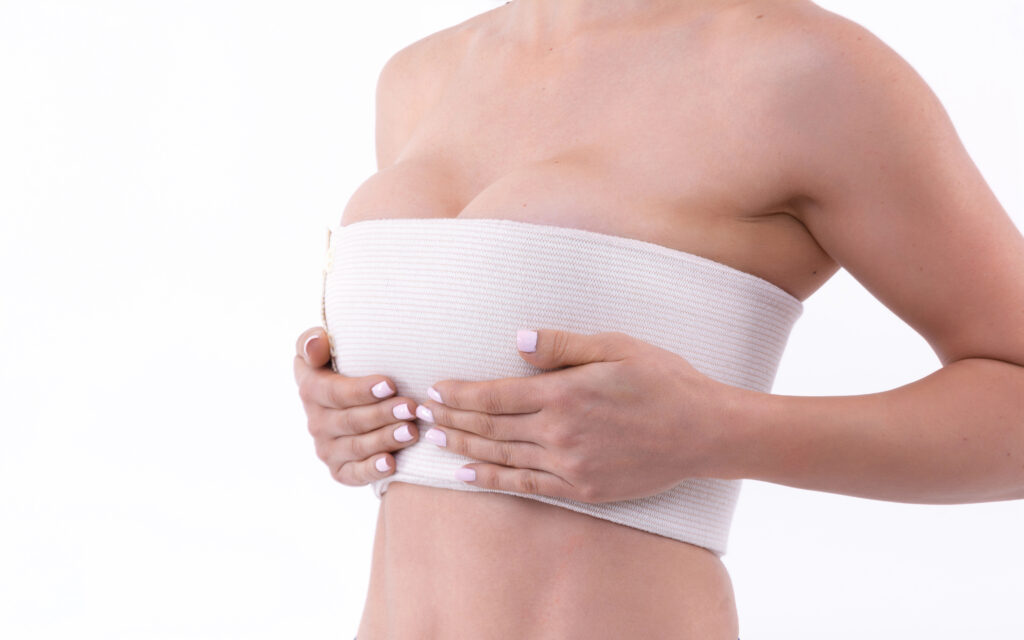
A breast lift, or mastopexy, is designed to restore a more youthful, natural shape by removing excess stretched skin, repositioning breast tissue, and lifting the nipple to a more forward-facing position. It does not add volume unless combined with an implant, and it does not reduce the breast unless combined with a reduction. It simply reshapes and re-positions what is already there.
Modern breast lift techniques are far more refined than in the past. Incisions are minimal, recovery is smoother, and results look natural. Most women describe the outcome as looking like their younger self, only refreshed.
Choosing a Surgeon Who Prioritizes Natural-Looking Results
When it comes to something as personal as a breast lift, the surgeon matters as much as the procedure itself. Experience with breast anatomy, symmetry, and refined technique makes a huge difference in the final outcome.
That is exactly why more women are choosing to explore a breast lift in San Antonio, where careful attention to detail, symmetry, and natural results has become a standard expectation for patients.
Hill Country Plastic Surgery is one of the trusted names in this space, respected for its patient-first philosophy and its focus on delivering results that preserve what each woman already loves about her body. That kind of thoughtful, refined care is exactly what a procedure like this deserves.
The Right Time to Consider a Breast Lift
Timing plays an important role in getting the best long-term outcome. Most surgeons recommend waiting until you are done having children, have completed breastfeeding, and are at a stable, comfortable weight. Once your body has settled, a lift can be planned with the most accurate picture of your shape.
Rushing the timing can affect longevity of results, which is why a thoughtful consultation matters so much.
Recovery Is Easier Than Most Women Expect
One of the biggest fears women have around a breast lift is the recovery. In reality, most patients bounce back much faster than they anticipate. Light activity resumes within a week, and most women return to their normal routines within a few weeks. Following your surgeon's aftercare instructions closely makes all the difference in how smooth the recovery feels.
Conclusion
Breast sagging is a natural, normal part of how the body changes over time, and understanding what causes it is the first step toward feeling confident about your options. Whether you choose to embrace the change, work on prevention, or explore a lift, the decision is entirely personal. If sagging has quietly started to affect how you feel in your own skin, a consultation with a trusted specialist can help you understand what is possible, without pressure or judgment. Most women describe it as one of the most reassuring conversations they wish they had scheduled sooner.