There’s something about a well-equipped kitchen that just feels right. Whether you’re baking cookies on a rainy Sunday or whipping up a weeknight stir-fry, the oven you use plays a huge role in your culinary routine. And if you’re planning a kitchen upgrade or renovating your space, one key decision is bound to pop up: Should you go for a sleek built-in model or opt for the flexibility of freestanding ovens?
Each has its own charm, and the best choice really depends on how you use your kitchen, the space you have, and how you envision your cooking experience. Let’s walk through the pros, cons, and key considerations so you can make the best decision for your lifestyle.

Photo by Sosey Interiors on Unsplash
Understanding the Basics: What’s the Real Difference?
Before we dive into the nitty-gritty, let’s get one thing straight: built-in ovens are designed to fit seamlessly into your kitchen cabinetry, often installed at eye level or under the countertop. Freestanding ovens, on the other hand, come as a whole unit, typically combining an oven with a cooktop and are placed between cabinets or wherever they best fit in your space.
The design differences are apparent, but what's the impact on your kitchen workflow? That’s where it gets interesting.
Freestanding Ovens: Flexibility Meets Function
Freestanding ovens are especially appealing if you value flexibility in the kitchen layout. These units can be moved or repositioned more easily than built-in models, making them an excellent choice for renters or anyone who might want to rearrange or remodel in the future.
For many home cooks, freestanding options offer a satisfying balance of performance and convenience. You get both an oven and cooktop in one unit, which can be a real space-saver. Installation is usually more straightforward, and because these ovens don’t require custom cabinetry, they’re often more budget-friendly upfront.
In everyday use, people love the simplicity. Everything’s right in front of you. Need to boil pasta while roasting veggies? No problem. It’s all in one place, and it just works.
Built-In Ovens: Sleek Style and Seamless Integration
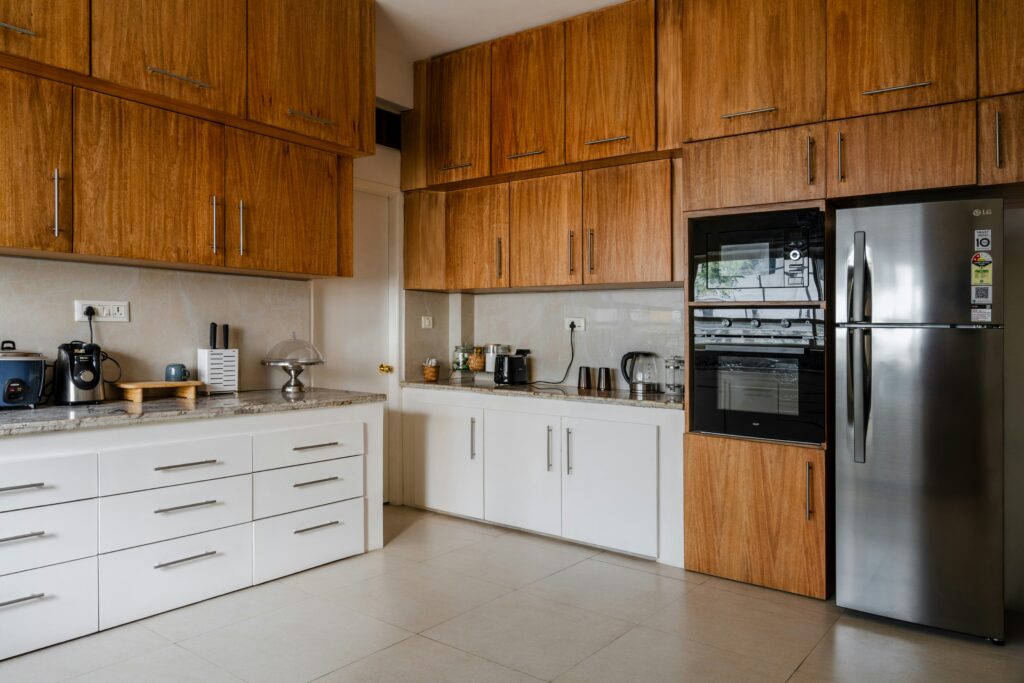
If you’re going for a modern, streamlined look in your kitchen, built-in ovens are hard to beat. They tuck into your cabinetry and blend in with your kitchen design, often giving your space that high-end, custom feel.
But aesthetics aren’t the only thing going for them. Built-in ovens often offer more options for placement. You can install them at eye level, no more bending down to check on your lasagna, or position them away from the cooktop for a more spread-out workstation.
From a user experience standpoint, built-ins make multitasking feel more fluid. You can pair them with separate cooktops and even double up with a secondary oven if you often cook for a crowd. For serious bakers or home chefs who love entertaining, that’s a big win.
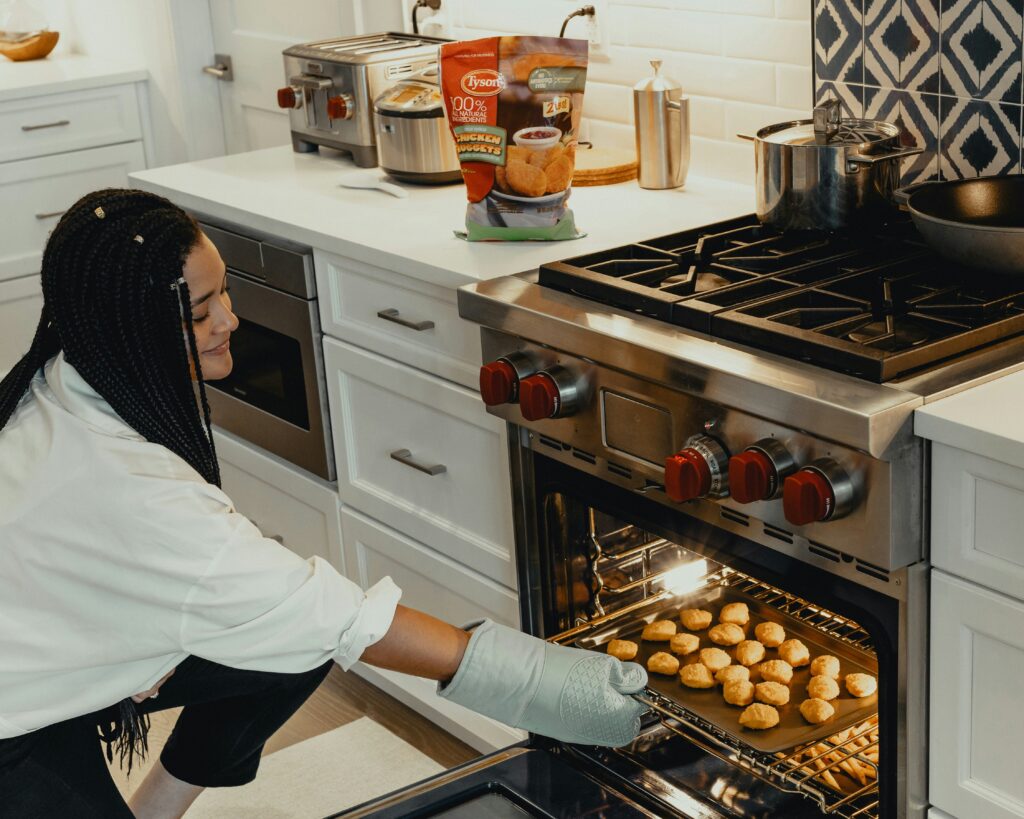
Photo by Tyson on Unsplash
Kitchen Layout: One Size Doesn’t Fit All
One of the most significant deciding factors is your kitchen’s layout. If you’re starting from scratch, you have more freedom to choose. But if you’re working with an existing kitchen, your options might be more limited.
It tends to work well in more traditional layouts, especially if there’s already a designated space between two cabinets. They’re also ideal for smaller kitchens where every inch of space matters.
Built-ins shine in larger or more custom-designed kitchens. They allow for creative placements and help create designated cooking zones, which can elevate your kitchen’s workflow. Think oven here, cooktop there, prep station over there, it’s a more personalized experience.
It’s all about experience: What Matters Most to You?
At the end of the day, it really comes down to how you use your kitchen.
Do you prefer all your cooking elements in one spot? A freestanding unit might be perfect. Are you someone who loves an open countertop and minimal bending when baking? Then a built-in setup could be your match.
Families with small kids might favor built-in ovens installed higher up, out of reach of little hands. On the flip side, a freestanding oven can be more accessible for elderly users or those with mobility concerns, especially if the controls are front-facing and easy to reach.
Also, consider your cooking style. Do you bake often? Do you roast large meals for guests? These everyday choices add up and should guide your decision more than just looks or trends.
Installation and Maintenance Considerations
Typically, they have a more DIY-friendly installation. They don’t need custom cabinetry, and if you’re replacing an old unit, the process is usually fast and relatively fuss-free.
Built-in ovens require a bit more planning and usually professional installation. You’ll need cabinetry designed to accommodate the unit, which can add to the cost. Maintenance-wise, both types are fairly equal, but keep in mind that accessing or replacing a built-in unit may involve more labour.
Cost and Value Over Time
Generally speaking, they come at a more affordable price point, both in terms of the unit and installation. They’re also easier to take with you if you move, which adds value for renters or those not in a forever home.
Built-in ovens tend to cost more initially, but they can add to your property’s resale value due to their upscale appeal. For homeowners investing in a long-term renovation, it might be worth the extra cost for that added design and functionality.
As an additional tip, if flexibility and space-saving are top priorities in your kitchen, you might want to explore the best portable oven for your home. These compact appliances offer impressive cooking power without the need for built-in installation, making them ideal for renters, small kitchens, or anyone who values convenience and versatility in their cooking setup.
The Verdict: It’s About You, Not the Oven
There’s no one-size-fits-all answer here, and that’s kind of the beauty of it. Whether you go with a freestanding oven or commit to a built-in, the best choice is the one that fits your space, your style, and your everyday needs.
Think of it like picking the right tool for your kitchen journey. One isn’t better than the other they just suit different kinds of cooks and different kinds of homes.
So take a moment, picture yourself in your kitchen, and trust your instincts. After all, the heart of any home isn’t the appliance, it’s the person using it.