
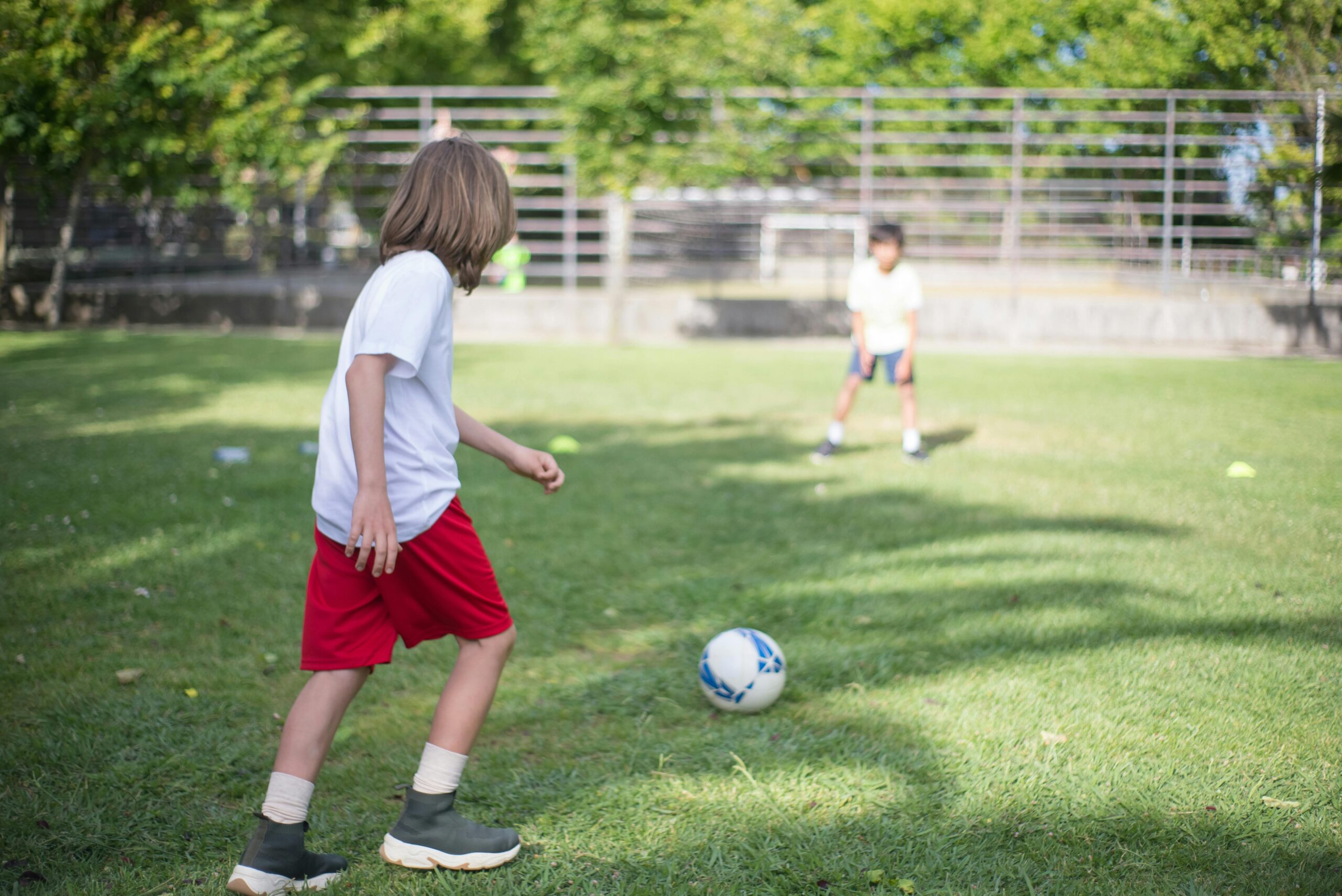
Engaging in sports is more than just a fun activity for children; it's an essential aspect of their physical, mental, and social development. Sports provide children with opportunities to learn, grow, and thrive in ways that go beyond physical fitness. Below, we explore the many benefits of sports for children.
Physical Health and Fitness
This private school in Dublin suggests that one of the most obvious benefits of sports for children is the improvement in physical health. Regular participation in sports helps children maintain a healthy weight, build strong muscles and bones, and enhance cardiovascular fitness. Activities like running, jumping, and swimming improve their endurance, flexibility, and coordination.
Moreover, children who engage in sports from a young age are more likely to develop lifelong habits of physical activity, reducing the risk of obesity and related health issues such as diabetes, heart disease, and high blood pressure. Sports also teach children about the importance of warm-ups, stretching, and cool-downs, which contribute to overall physical well-being.
Mental and Emotional Well-Being
Sports also play a crucial role in enhancing mental and emotional health. Participation in sports helps children build confidence and self-esteem as they master new skills, achieve personal goals, and contribute to team success. The process of setting and working towards these goals fosters a sense of accomplishment and resilience.
Additionally, sports provide an outlet for stress relief. Physical activity triggers the release of endorphins, which are natural mood lifters. This can help combat anxiety and depression, particularly in older children and teenagers. The discipline and focus required in sports can also improve concentration and academic performance.
Social Skills and Teamwork
Another significant benefit of sports is the development of social skills. Playing on a team teaches children how to communicate effectively, collaborate with others, and work towards a common goal. These experiences help children learn about leadership, responsibility, and empathy.
In a sports setting, children also learn about healthy competition and how to handle both winning and losing with grace. They understand the value of sportsmanship and the importance of supporting teammates and respecting opponents. These lessons translate into other areas of life, helping children build strong, positive relationships with peers and adults alike.
Life Skills and Personal Development
Sports offer numerous opportunities for personal development beyond the playing field. Time management is a critical skill that children learn as they balance sports, schoolwork, and other activities. They also develop a strong work ethic as they practice regularly and strive for improvement.
Moreover, sports can teach children about perseverance and the importance of hard work. Overcoming challenges, whether it's learning a new technique or recovering from an injury, helps build resilience and a growth mindset. These attributes are invaluable as children face various challenges in life.
Encouraging a Lifelong Love of Activity
Introducing children to sports at a young age can foster a lifelong love of physical activity. This can lead to a healthier lifestyle in adulthood, reducing the risk of chronic diseases and contributing to overall well-being. The enjoyment and satisfaction derived from sports can also encourage children to explore other physical activities and hobbies.
The benefits of sports for children are multifaceted, impacting their physical health, mental and emotional well-being, social skills, and personal development. By encouraging children to participate in sports, parents and educators can help them build a strong foundation for a healthy, active, and fulfilling life. Whether it’s through team sports like soccer or individual pursuits like swimming, the lessons learned and the joy experienced on the playing field can last a lifetime.