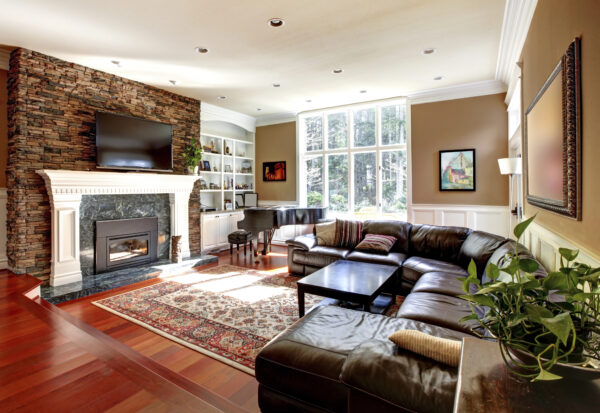
A shared sofa succeeds when it supports several routines at once. People need comfortable seating, pets need predictable places to settle, and the household needs a cleanup method that does not dominate every evening.
Choosing durable fabric helps, but the room around the sofa influences wear just as much. Landing paths, pet beds, throws, side tables, and storage can guide behavior before claws or muddy paws reach the upholstery.
A collection of pet-friendly couches is a useful place to compare scratch-resistant and easy-care options, including designs that remain soft enough for everyday lounging. The category also warns that resistance is not the same as complete protection from repeated digging or sharp claws.

Assign Comfortable Zones for Everyone
Decide which sofa corner the pet is most likely to use and which seats people need for reading, conversation, or television. Put the preferred pet spot away from controls, charging cables, and the most fragile seam when the layout allows it.
A washable throw can mark the animal's zone without banning it from the furniture. Keep the layer stable so it does not slide during a jump. The goal is a predictable landing and resting place, not a cover draped across every cushion.
Design the Approach Path
Pets often damage furniture while getting on or off rather than while resting. Watch the route from the doorway, rug, or pet bed to the sofa and remove unstable objects that encourage awkward jumps.
An older or smaller animal may benefit from an appropriate step or ramp. Place it where people will not trip over it, and confirm that the product suits the pet's size and mobility. A safer approach can reduce claw use on the front edge.
Put Scratching Alternatives Near the Problem
A scratching post across the room may lose to the sofa arm that is already within reach. Place a stable, attractive alternative beside the area the cat targets, then reward its use.
Try a horizontal surface if the cat scratches the seat and a vertical one if it reaches upward on the arm. Furniture protection works better when the alternative matches the animal's preferred posture and texture.
Choose Fabric by the Hardest Routine
One dog that sheds heavily may make hair release the main concern. Two active cats may place snag resistance first, while a puppy or senior animal can make liquid care the priority.
Rank the problems instead of seeking one fabric claimed to solve everything. Tighter weaves and short piles can reduce catching, yet the exact cleaning method, removable parts, and color options still need separate review.
Make Cleaning Tools Part of the Room
Store a lint tool, vacuum attachment, approved cloth, and care instructions in a closed basket or drawer near the sofa. Fast access makes frequent light care more likely.
Limit the kit to products approved for the exact upholstery. A rushed response with bleach, solvent, or an untested pet cleaner can create a larger mark than the original accident. Add a small bag for dirty cloths so they do not return to the clean kit.
Control Fur Before It Reaches the Sofa
Regular grooming suited to the animal can reduce loose hair in the room. Place a washable pet blanket on the preferred cushion and clean it more often than the full sofa.
Vacuum along seams and cushion gaps where fur and grit collect. Follow the product guidance for brush type and suction. Aggressive tools can roughen a surface that was selected for its smooth, hair-releasing texture.
Protect Food and Drink Zones
Use stable side tables so cups do not balance on sofa arms. Keep human snacks and pet treats away from moving sections, seams, and cushion gaps.
If the pet receives a chew or treat in the living room, provide a washable mat or direct the activity to the floor bed. Repeated food residue can attract more licking and digging at the same cushion.
Plan for Multi-Pet Dynamics
Two animals may compete for one spot even when the sofa has enough area. Provide more resting locations than pets and separate them when guarding or tension appears.
Do not force close sharing for the sake of a photograph. A second bed, window perch, or floor cushion can reduce crowding and repeated launches onto the same corner. Seek qualified behavior guidance when conflict persists.
Keep Human Comfort in the Decision
A pet-oriented fabric should still feel pleasant against skin and clothing. Test the swatch for softness, temperature, and texture during a longer sitting period rather than judging it with one hand touch.
Check seat depth and cushion support for every regular user. People should not give up their back support because the pet occupies the only pillow or deep section. Dedicated pet zones and movable cushions can preserve both needs.
Prepare for Changes Over Time
Pets age, households move, and favorite places shift. Review the setup after an injury, a new animal, or a room rearrangement because the old path or pet bed may no longer work.
Add temporary protection during transition periods. Sudden changes in climbing, accidents, or scratching may deserve veterinary or behavior attention rather than a furniture-only response. The room plan should support care, not hide a health signal.
Use a Weekly Five-Step Reset
Shake or wash the pet throw, remove fur, inspect seams, wipe approved surfaces, and return toys to their storage. The routine can take a few minutes when tools and destinations are already defined.
End by checking the approach path and scratching alternative. A sofa stays more presentable when the entire pet-sharing system receives small, regular attention instead of one major cleaning after damage appears.
Choose a Sofa That Fits the System
Score candidates for scratch resistance, hair release, stain care, human comfort, and compatibility with the planned pet zone. Then include room factors such as landing path, side-table placement, and storage.
The best shared couch does not keep animals and people separate. It gives each one a comfortable place, makes preferred behavior easy, and gives the household a maintenance routine it can sustain.
Review the System After One Month
Photograph the main contact zones and note which tools, throws, and alternate beds are actually used. Move an unused item rather than leaving it as permanent clutter.
If one corner still receives all the wear, improve that landing path or protection before adding more rules. The most effective setup is the one the household and animals follow naturally.