As winter sets in, households increasingly rely on their heat pumps to maintain a comfortable indoor climate. These systems are integral for energy-efficient heating, but like all mechanical devices, they can experience issues. Understanding these potential problems is crucial for homeowners so they can take proactive measures to identify malfunctioning components before they escalate into costly repairs or replacements. In this article, we will explore several common heat pump problems that may indicate impending failure, ensuring that you are equipped with the knowledge to act promptly and effectively when needed. Making it through the winter without heat is a daunting prospect, hence why tackling these heat pump challenges should be a priority for every homeowner as the cold weather approaches.
Insufficient Heating Performance
One of the clearest signs of a heat pump issue is when the system fails to provide adequate warmth. If your heat pump is blowing cool air or only partially warming your spaces, there are a few potential issues to consider. First, check the thermostat settings to ensure they are correct. Often, homeowners mistakenly adjust settings, leaving their heating units ineffective. If these settings are right, it may indicate refrigerant levels are low, causing poor heat exchange. Low refrigerant can stem from leaks in the system, a serious issue that requires an experienced technician to address. Dirty filters strangle airflow, forcing the heat pump to work harder, leading to inefficiency and potential burnout. Regular maintenance, including timely filter changes and cleaning the outdoor unit, can help maintain consistent heating without unnecessary strain on your system.
Noisy Operation
Smooth, quiet operation is one of the hallmarks of an effective heat pump. If you notice unusual or loud noises coming from the unit, it could signal underlying issues. Rattling sounds might indicate loose components, while a grinding noise could suggest problems with the motor or the bearings, demanding immediate attention. High-pitched sounds may imply that the compressor is having trouble, a crucial component of the heat pump. Ignoring such noises results in complete system failure. For those wondering what happens when a heat pump fails, it often involves a sudden loss of heating ability, potentially leaving you in an uncomfortable and dangerous situation during the dead of winter. Addressing unusual sounds promptly can save you from more significant troubles.
Frequent Cycling
Heat pumps that frequently cycle on and off may seem to provide adequate heating. This behaviour can signal serious issues that need attention. Short cycling, where the unit turns on and off over short periods, can indicate that your heat pump is undersized for your home. A correctly sized heat pump should run long enough to generate substantial heat, without constantly cycling on and off. Frequent cycling can overwork your system, leading to premature wear on the components, particularly the compressor. Thus, amenities like proper insulation and sealing can significantly minimize this issue by ensuring that the heat generated is not lost to the outside. If you notice your system turning on and off more than normal, consulting a seasoned HVAC professional is important. The professional can accurately diagnose the cause, be it a refrigerant leak, a thermostat problem, or improper sizing. Addressing the issue as soon as possible with professional heat pump repair services can extend the life of your unit.
Inefficient Energy Use
When heat pumps operate inefficiently, you may notice an unexpected spike in your energy bills compared to previous months. A sudden increase in energy consumption typically hints at a failing component. Malfunctioning compressors often experience difficulties maintaining optimal temperatures, thereby requiring enhanced energy input. Similarly, Westel factors, such as significant temperature fluctuations, can expose weaknesses in your system as it struggles to maintain the desired indoor temperatures. Homeowners should keep a close watch on their energy bills, if the costs rise consistently without a corresponding change in usage, it may be a good time to consult with an HVAC technician. Regular tune-ups can help maintain energy efficiency, protecting both your wallet and your comfort during winter.
Icing on the Outdoor Unit
During the winter months, it is not unusual to see some frost on the outdoor components of a heat pump. A significant buildup of ice is a much more serious problem. Ice accumulation can severely impede airflow and eventually diminish heating capacity. If your outdoor unit is covered in ice, it indicates your heat pump is struggling. The issue could arise from a defrost cycle malfunction, refrigerant levels being too low, or even poor airflow due to clogged filters. If left unchecked, this problem can lead to compressor failure, so it’s paramount that homeowners identify and resolve this condition quickly. Regular defrost cycles are necessary for ensuring your heat pump operates effectively in regions prone to freezing conditions.
Inconsistent Temperatures
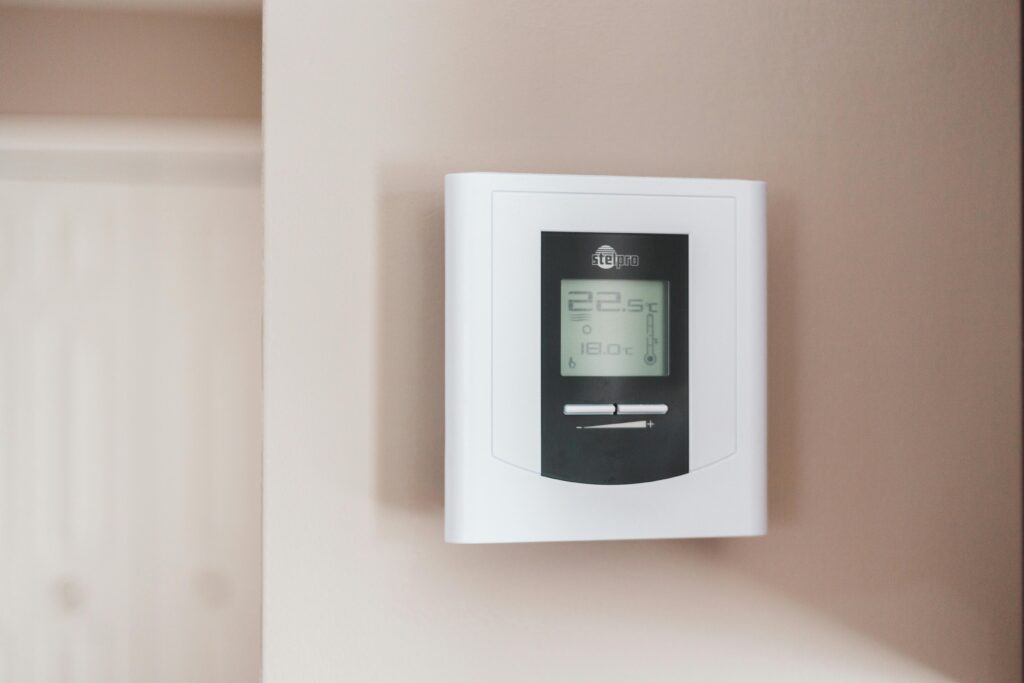
Heating systems are designed to maintain a relatively constant interior temperature. Hence, erratic indoor temperatures may suggest issues with your heat pump. Areas of your home might feel warm while others remain cold, highlighting an air distribution problem within your system. Inconsistent heating often indicates that certain ducts may be blocked or that there may be leaks causing heat loss. An old or malfunctioning thermostat can provide incorrect readings, ultimately leading to misguided heating efforts. To address these issues, consider conducting a full inspection of your ductwork and thermostat functionality. Up-to-date thermostats, including smart models, offer improved monitoring and control, reducing the likelihood of temperature discrepancies and ensuring more consistent comfort throughout the home.
Unexpected Shutdowns
Heat pumps are designed with safety mechanisms to shut down during emergencies, but if your system shuts off unexpectedly without a clear reason, it demands immediate investigation. Such occurrences may indicate issues like overheating or mechanical failure. If safety protocols are triggered regularly, it can leave you without heat when needed most. Common causes for unexpected shutdowns include malfunctioning circuit breakers, overloaded systems, or internal component failures that require a professional's insight. Owners should look for patterns in these shutdown occurrences, as they may provide insights into underlying problems with the unit that need resolution. An experienced HVAC technician can perform diagnostics and repairs to restore function and prevent future issues, maintaining crucial comfort during winter's coldest moments. Ignoring repeated shutdowns can lead to more serious damage, higher repair costs, and even complete system failure, especially during peak winter months. Proactive monitoring, such as checking for unusual noises, inconsistent airflow, or temperature fluctuations, can help identify problems before they escalate. For homeowners in the area, professional heat pump service in Seattle or nearby ensures thorough inspections, precise repairs, and guidance on optimizing your system for efficiency and reliability throughout the season.
By recognising these common heat pump problems and addressing them early, you can help ensure reliable heating throughout the winter months. Personal vigilance, regular maintenance, and timely professional intervention will safeguard your comfort and help avoid unexpected breakdowns. Being proactive is your best strategy for keeping your heat pump running effectively, allowing you to enjoy a warm and cosy home while outdoor temperatures drop. Waiting to fix a heat pump problem can often lead to larger issues down the line, making it vital to act promptly.