Setting up a safe and well-lit campsite is essential for an enjoyable outdoor experience. Whether it's a weekend getaway or an extended adventure, knowing how to create a secure and inviting space can make all the difference. This article will guide readers through the key steps to ensure their campsite is both safe from potential hazards and adequately illuminated for nighttime activities.
From choosing the right location to selecting effective lighting options, readers will discover practical tips for enhancing safety and visibility. By the end, they'll feel confident in their ability to establish a campsite that not only meets their needs but also fosters a welcoming atmosphere for friends and family.
Essential Factors for a Safe and Well-Lit Campsite
Setting up a safe and well-lit campsite enhances the overall outdoor experience. Key factors like location selection and lighting choice play important roles in establishing a secure environment.
Campsite location impacts safety significantly. Choose an area away from hazards such as falling branches or unstable ground. Open spaces provide fresh air and visibility but consider proximity to water sources for convenience.
The Arkfeld ultra aluminum flashlight in blue offers an effective lighting option. This product features durability and brightness, ensuring a well-lit area. With a compact design, it's easy to pack and carry.
Consider the following when planning campsite safety:
Terrain: Evaluate ground stability and potential obstacles.
Weather: Check forecasts to anticipate conditions that may affect safety.
Lighting: Use multiple light sources for coverage.
Creating a well-lit and secure campsite supports an enjoyable atmosphere for all campers.
Assessing The Campsite
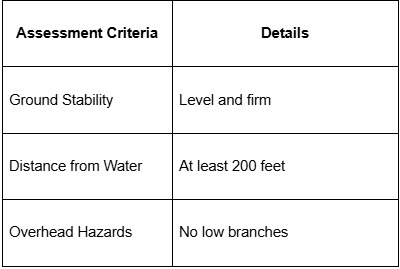
Finding the right campsite location is important for safety and comfort. Start by looking for level ground, avoiding dips or slopes where water might collect. Also, steer clear of areas with overhanging branches, as falling limbs can pose risks.
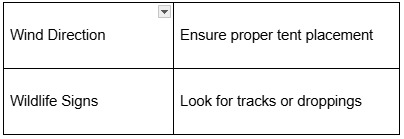
When considering proximity to water, keep a distance of at least 200 feet from rivers or lakes to maintain safety and keep food away from wildlife. They might want to check wind direction, positioning their tent at an angle to minimise exposure to gusts.
Using the Arkfeld ultra aluminum flashlight in blue can boost visibility. This flashlight offers durability and bright light in a compact size, making it easy to carry.
Assess the terrain by evaluating firmness and checking for signs of animal activity, as this helps avoid disturbances. Always think about weather conditions since storms or heavy winds can impact their setup choices.
Types of Lighting to Include
Selecting the right lighting types enhances campsite safety and comfort. Consider the following options:
Flashlights: The Arkfeld ultra aluminum flashlight in blue offers durability and a bright beam. Its compact format makes it easy to carry.
Lanterns: Lightweight lanterns provide 360-degree illumination. They work well for larger areas and can serve as a communal light source.
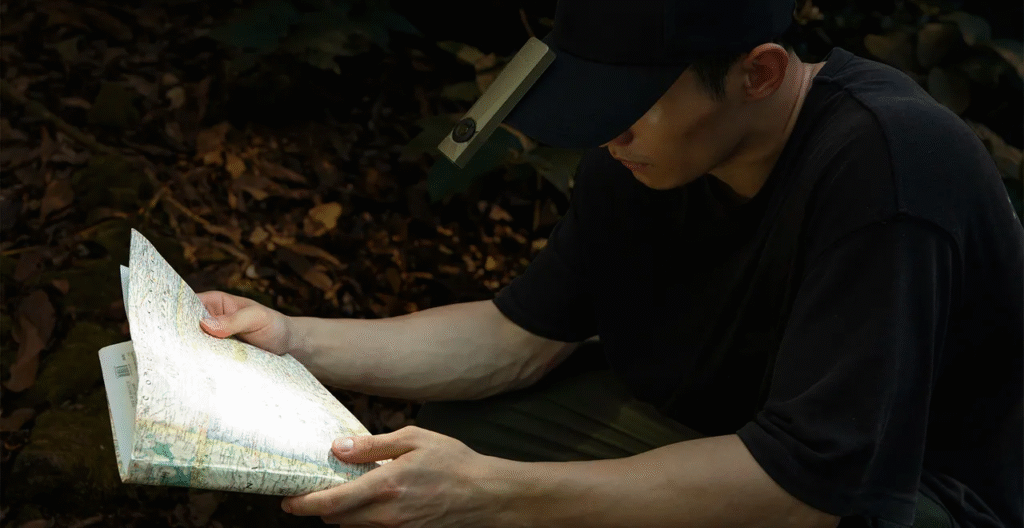
Headlamps: Useful for hands-free tasks, headlamps keep light directed where needed. They’re ideal for setting up tents or cooking after dark.
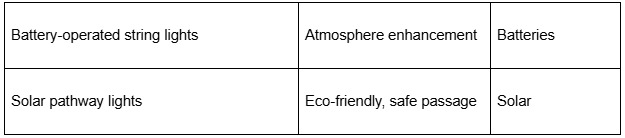
String Lights: Battery-operated string lights add atmosphere and visibility around the campsite. They can outline pathways or brighten up gathering areas.
Solar Lights: Solar-powered lights require no batteries and can recharge during the day. They offer eco-friendly options with automatic dusk-to-dawn features.
Campfire Light: While not a direct lighting source, a campfire provides natural warmth and light. Remember, always maintain a safe distance from tents and flammable materials.
Having a variety of lighting options creates a well-lit and inviting campsite, improving visibility and safety during evening hours.
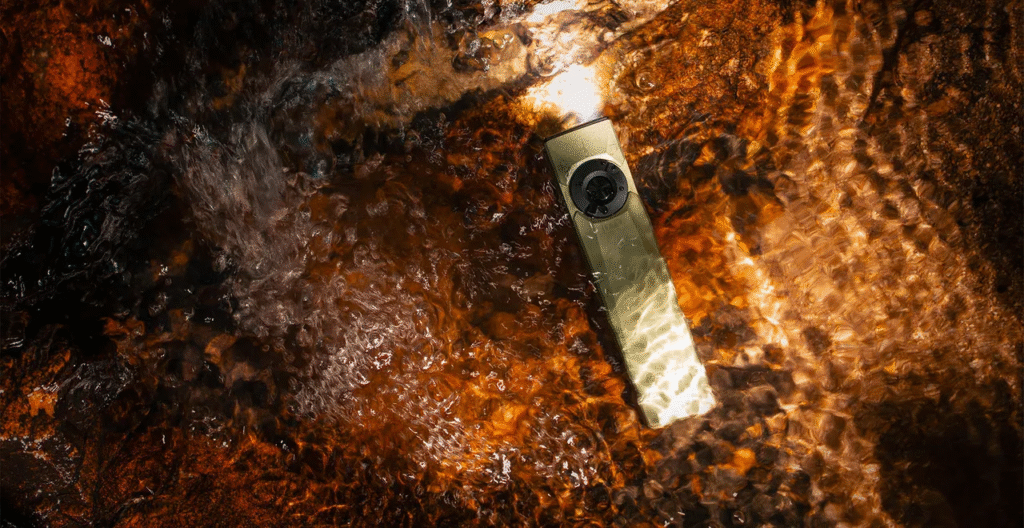
Strategic Light Placement
Lighting placement plays a significant role in campsite safety and ambiance. Campers should consider the types of lights used and where to position them for optimal effect.
1. Arkfeld ultra aluminum flashlight in blue: This flashlight offers durability and high brightness. Its compact size allows for easy transport. Use it to illuminate pathways or specific areas of the campsite.
2. Lanterns: Lanterns provide 360-degree illumination. Place them at the centre of activity areas. This ensures even light distribution while encouraging social interaction.
3. Headlamps: Headlamps enable hands-free lighting. They benefit from tasks like cooking or setting up tents. Position them on the head to keep both hands free for work.
4. Battery-operated string lights: String lights create a cosy atmosphere. Hang them in trees or around the tent's perimeter. This adds visual appeal while improving visibility.
5. Solar lights: Solar lights are eco-friendly options for pathways. Place them about 10 feet apart to maintain consistent light without relying on batteries.
6. Campfire light: Campfire light provides warmth and adds character. Set the fire in a safe area, away from tents and gear. This creates a natural gathering spot.
Effective placement of these lighting sources enhances visibility and the overall camping experience. Consider moving lights occasionally to adapt to changing conditions or preferences. Choosing a combination helps meet various needs throughout the night.
Power Sources and Energy Management
Managing power sources at a campsite plays a significant role in ensuring safety and convenience. Campers can use several options for energy supply:
1. Batteries: Reliable for small devices like lanterns or flashlights. Rechargeable batteries offer long-term savings.
2. Solar Power: Environmentally friendly option for lighting or charging devices. Solar panels require consistent sunlight.
3. Generators: Suitable for larger power demands. Noise levels vary; select strategically to avoid disturbing others.
4. Portable Power Stations: Rechargeable battery packs provide energy for multiple devices. They're compact and easy to transport.
The Arkfeld ultra aluminum flashlight in blue stands out for its durable construction and bright output. It functions well in various conditions, useful for exploring the campsite at night.
Consider positioning their power sources where they’re accessible yet out of the way. Providing ample lighting near tents can enhance safety.
Using a mix of power sources creates redundancy, ensuring access to light and energy. Assess specific needs, and allocate power wisely.
Safety Considerations
Selecting a safe campsite involves multiple factors that enhance protection.
Location
• Choose spots away from hazards, like falling branches or unstable ground.
• Keep at least 200 feet from water sources to avoid wildlife attracting issues.
• Look for level ground and avoid slopes that can lead to an unstable setup.
• Assess the wind direction, positioning tents accordingly to mitigate fire danger.
Lighting
Using the right lighting can improve overall safety.
• Use the Arkfeld ultra aluminum flashlight in blue for effective illumination.
• Distribute lanterns evenly for optimal light across activity areas.
• Install solar lights along pathways to ensure visibility at night.
• Include headlamps for hands-free tasks.
Power Sources
Managing power supplies is crucial for safety.
• Consider options like batteries for small devices and solar panels for eco-friendly needs.
• Use a generator for larger equipment.
• Keep power sources accessible without sacrificing safety
By combining various lighting and power options, campers can create a safer, better-lit space suitable for various conditions.
Portable Lighting Essentials
For effective campsite lighting, several options stand out. First, the Arkfeld ultra aluminum flashlight in blue offers durability and brightness. While compact, it's ideal for transport.
Next, consider lightweight lanterns. They provide 360-degree illumination, crucial for activities like cooking or playing games.
Headlamps allow hands-free operation, making tasks easier at night. Battery-operated string lights add warmth and create a cozy atmosphere.
Solar lights work well for pathways, providing eco-friendly light without power concerns.
A campfire not only offers warmth but also serves as a natural gathering spot for campers.
Here’s a comparison of common portable lighting options:
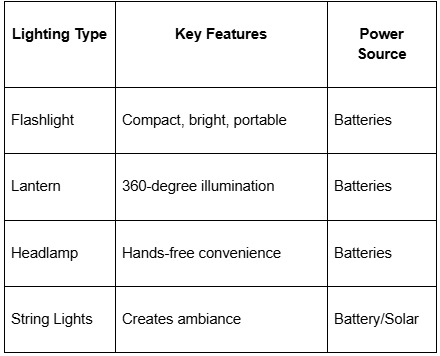
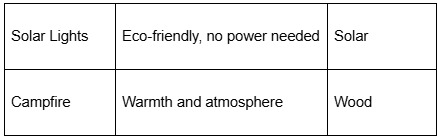
Proper placement improves safety. Position lanterns centrally for even light distribution. Ensure pathways have adequate solar lights for navigation. Using various lighting sources like the ones from Olight enhances the overall camping experience, adapting to changing conditions.
Creating a Comfortable Atmosphere
A comfortable atmosphere at a campsite contributes significantly to overall enjoyment. Consider these steps:
1. Use Proper Lighting: Use multiple light sources for adequate visibility. The Arkfeld ultra aluminum flashlight in blue offers durability and brightness, making it a solid choice for night-time tasks. Position lanterns at gathering spots for better illumination.
2. Set Up Cosy Spaces: Arrange seating areas with camp chairs and blankets. Keep seating close to the campfire, as it serves as a natural focal point.
3. Incorporate Personal Touches: Consider adding items like colourful solar lights or decorative string lights for ambiance. These small touches foster a welcoming environment.
4. Manage Noise Levels: Select locations that minimize noise distractions. Using natural sounds can enhance relaxation while a distant campfire adds a pleasant crackle.
Maintain Comfort with Temperature Control: If cool, use portable heaters or extra blankets. For warmth, ensure the campfire is safely contained and monitored.
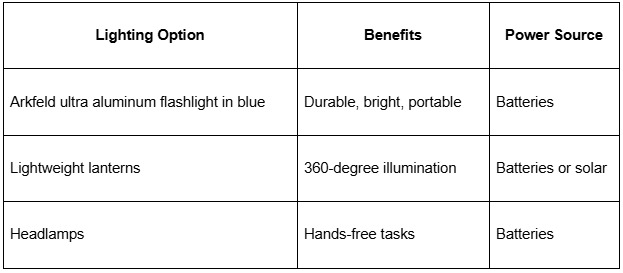
Creating a comfortable atmosphere enhances the camping experience, allowing campers to relax and enjoy their surroundings.
Final Lighting Checklist for Beginners
1. Select the Right Flashlight: The Arkfeld ultra aluminum flashlight in blue provides durability and brightness, making it ideal for night-time tasks.
2. Check Battery Levels: Maintain fresh batteries for all devices. Keep spare batteries on hand to avoid being caught in the dark.
3. Identify Lantern Positions: Place lightweight lanterns in central locations for 360-degree illumination. Hanging them at eye level helps distribute light evenly.
4. Position Headlamps for Tasks: Use headlamps for hands-free activities such as cooking or reading maps. It's practical to keep them within easy reach for quick access.
5. Arrange Ambient Lights: Set up battery-operated string lights around seating areas. They add warmth and comfort to the campsite atmosphere.
6. Employ Solar Lights for Pathways: Solar lights along paths enhance safety by illuminating steps and obstacles. They often require direct sunlight for effective charging.
7. Prepare Campfire Setup: Designate a space for the campfire, ensuring it complies with local regulations. A well-placed fire provides light and warmth, creating a social hub.
8. Evaluate Weather Conditions: Before setup, consider potential weather changes. Inclement weather can impact visibility and safety, necessitating adjustments to lighting sources.
9. Manage Power Sources: Keep power stations or generators discreet but accessible to avoid cords becoming tripping hazards.
1o. Finalise Lighting Placement: Reassess lighting arrangements once everything is set up. Adequate lighting may reveal areas that need more visibility.
Conclusion
Setting up a campsite involves various steps for safety and effective lighting. Choosing a location away from hazards matters, as does selecting effective lighting options. Campers find level ground optimal, steering clear of dips and slopes. The distance from water sources should be at least 200 feet to minimize wildlife encounters.