
In today’s fast-changing world, the ability to think critically is just as important as academic knowledge. Critical thinking allows children to analyse information, solve problems, and make informed decisions—skills that will serve them well both in school and in life. Here’s how you can help your child develop these essential abilities, inspired by the practices of this private nursery in Wolverhampton.
What Is Critical Thinking?
Critical thinking is more than just knowing facts. It’s about questioning information, considering different perspectives, and reaching conclusions based on evidence rather than assumptions. For children, this means learning to ask “why” and “how” rather than simply accepting things at face value.
By developing critical thinking skills early, children can become more confident learners, better problem-solvers, and more independent thinkers.
Encourage Curiosity and Questions
One of the best ways to nurture critical thinking is to encourage your child to ask questions. Instead of always providing immediate answers, try turning the question back to them:
• “What do you think might happen?”
• “Why do you think it works that way?”
This not only builds problem-solving skills but also teaches them that their opinions and ideas are valued.
Use Real-Life Situations
Everyday scenarios are full of opportunities to practise critical thinking. Whether it’s deciding which product to buy at the supermarket, working out the best route to a destination, or comparing news stories, involve your child in the process. Discuss pros and cons, talk about possible outcomes, and encourage them to explain their reasoning.
These real-life examples make critical thinking practical and relevant, helping children understand its importance beyond the classroom.
Read and Discuss Together
Reading with your child is a powerful way to boost critical thinking. Choose a variety of books, articles, or even short news stories. After reading, ask open-ended questions:
• “Why do you think the character made that choice?”
• “What would you have done differently?”
• “How might the ending change if something else happened earlier in the story?”
Analysing stories in this way encourages deeper thinking, empathy, and the ability to see multiple sides of an issue.
Promote Problem-Solving Through Play
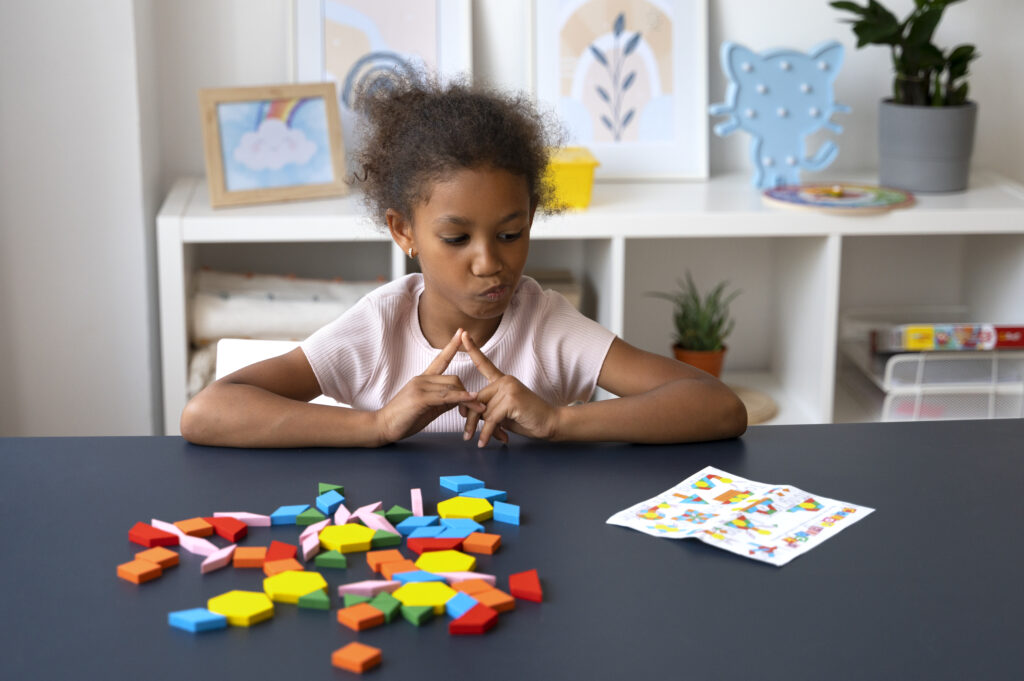
Games and activities can also develop critical thinking skills. Board games, puzzles, and building challenges all require planning, strategy, and adaptability. Even simple games like ‘20 Questions’ or riddles encourage logical thinking and deduction.
Where possible, allow your child to struggle with a challenge before stepping in to help. Learning to overcome setbacks builds resilience and strengthens problem-solving abilities.
Model Critical Thinking Yourself
Children learn a great deal by observing the adults in their lives. When making decisions, talk through your thought process out loud. For example, explain why you chose one recipe over another or why you’re adjusting plans because of the weather. This demonstrates that good decision-making involves weighing options and considering different factors.
Helping your child develop critical thinking skills is not about adding pressure—it’s about giving them the tools to approach the world with confidence and curiosity. By encouraging questions, discussing real-life situations, and modelling thoughtful decision-making, you can help them become more independent thinkers who are ready to tackle life’s challenges head-on.