
There’s something truly magical about a family garden. It’s more than just a patch of grass or a scattering of flowers; it’s where first steps are taken, picnics are spread on sunny afternoons, and summer evenings linger just a little longer than they should. Over the years, our needs and wants for our outdoor space change, just as our children grow and our lives take new turns. The sandbox that once sat proudly in the centre of the lawn may one day give way to a vegetable patch or a quiet reading corner shaded by climbing roses.
Creating a garden that grows with your family means thinking beyond the present moment. It’s about building a space that adapts and evolves, becoming a constant backdrop to your family’s memories. Whether you’re starting with a blank canvas or looking to reimagine the garden you already have, there are thoughtful ways to make it a place you’ll all love for years to come.
Start With Spaces That Work for Everyone
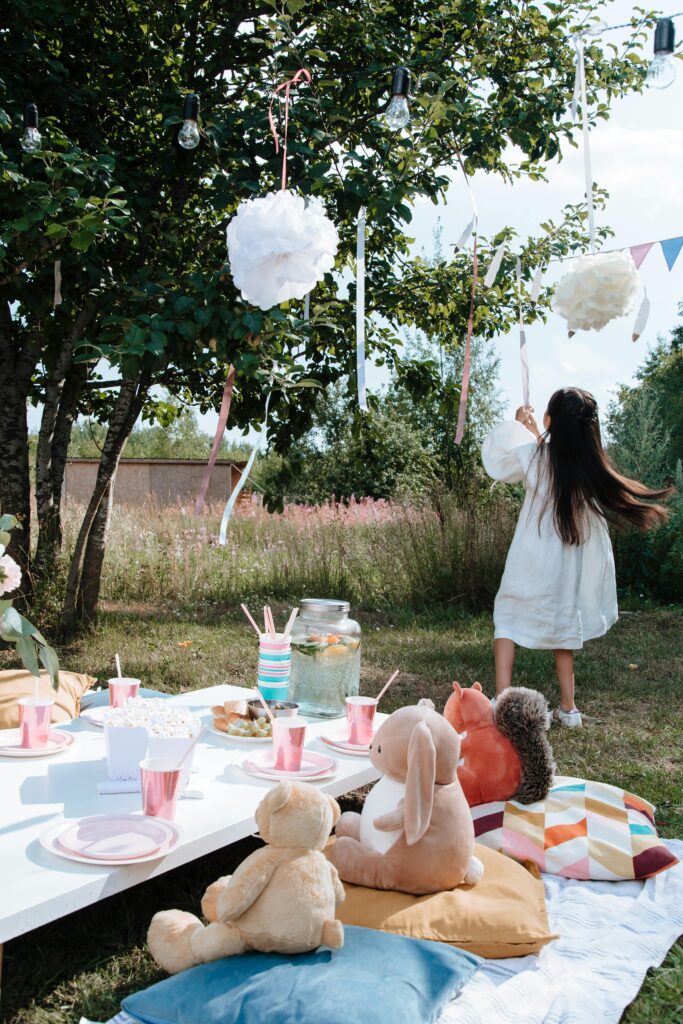
The best family gardens are the ones where everyone feels welcome, no matter their age or interests. Think of your garden layout as a patchwork quilt, with each section serving a purpose but all stitched together to create a space that feels whole. For little ones, this might mean a safe area to play within sight of the kitchen window, while older children may appreciate a tucked-away corner to chat with friends or kick a ball around. Adults, too, need their slice of the garden, perhaps a spot for morning coffee, weekend barbecues, or simply watching the sunset.
When you plan with flexibility in mind, your garden can shift effortlessly between these roles. Open lawns can host paddling pools in summer, then transform into space for a fire pit when autumn rolls in. Paths and seating areas can be designed to accommodate toys and trikes now, and garden furniture or planters later. The more versatile your starting layout, the easier it will be to let your garden grow with your family.
Adding Sheltered Spots for Year-Round Use
A garden feels even more inviting when it has a sheltered place to retreat to, whatever the weather. Whether it’s a pergola covered in trailing blooms, a summerhouse filled with cushions and fairy lights, or a sturdy outbuilding, these spaces make the outdoors enjoyable in every season. They give children a dry corner for painting on drizzly afternoons, offer shade on bright summer days, and create a cosy nook for hot chocolate when winter settles in.
Sometimes, a well-timed “pole barn builder near me” search can spark ideas for a structure that’s more than just practical. With a little creativity, it can become a craft space, a reading room, or even a place to host family celebrations, regardless of the weather.
Sheltered areas are like an extra room for your home, only this one lets you soak in the fresh air while staying protected from the elements. Over time, it can become one of the most-loved spots in your garden, changing as your family’s needs and hobbies evolve.
Blending Beauty and Practicality
The most loved gardens are the ones that look beautiful while working hard behind the scenes. Storage doesn’t have to mean bulky sheds or cluttered corners; it can be cleverly disguised in benches with lift-up lids, planters with hidden compartments, or decorative outbuildings that add charm to the space.
Multi-purpose structures are especially useful here. A garden building can hold tools and toys while doubling as a backdrop for climbing roses or a wall of hanging baskets. You can also consider smaller practical additions that enhance both structure and style. Take corten steel garden edging, for instance. These simple metal strips help create clean borders between planting areas and paths without making the garden feel busy.
Trellis beds are another practical choice, offering support for plants while keeping the space organised. Many of these features are easy to find online and quick to install.
If you’re dreaming of a space that’s as inviting as it is useful, this backyard getaway guide shares beautiful ideas to bring that vision to life. The key is to choose features that fit your style now but can also evolve as your needs change, so your garden stays as practical as it is beautiful for years to come.
Let the Garden Reflect Each Stage of Family Life
Just as family life changes over the years, so should the garden. When little ones are at home, it might be filled with sandpits, ride-on toys, and soft grassy areas perfect for playing tag. As children grow, these spaces can shift into vegetable patches they can help tend, sports areas, or quiet corners for reading under a tree. And when they’re older still, the garden can transform again into a space for relaxing with friends, hosting outdoor dinners, or simply enjoying a peaceful cup of tea.
The beauty of a flexible garden is that it can hold onto the memories of each stage while still making room for new ones. A flower bed that once framed a playhouse can later surround a hammock, and a bare patch of lawn can become a thriving kitchen garden. By thinking ahead and choosing adaptable features, your outdoor space becomes a reflection of your family’s story, past, present, and future.
Keeping the Garden Engaging for All Ages
A garden that grows with your family should offer something for everyone, no matter their age. For younger children, this might mean a small patch for digging, a mud kitchen, or a trail of stepping stones to spark imaginative play. As children get older, adding features like wildlife habitats, vegetable beds, or simple sports areas can keep them interested and involved. Adults, too, benefit from spaces that invite relaxation, such as a hammock under the trees, a reading bench tucked behind flowers, or a cosy patio for evening chats.
If you’re starting with younger children, you might find inspiration in these tips for creating a child-friendly garden. These ideas can form the foundation of a space that continues to evolve over the years, changing in purpose while keeping its charm.
The key is variety. A mix of open areas for activity, quiet corners for rest, and features that invite curiosity will keep everyone engaged. As your family changes, so will the ways you use your garden, and that’s part of its magic.
Planning for the Future
When you’re designing a garden that will grow with your family, it helps to think ahead. Consider how your needs might change in five, ten, or even twenty years. Will the open lawn that’s perfect for football games one day become a spot for raised vegetable beds? Could the playhouse eventually be transformed into a studio or a quiet hideaway? Planning with flexibility in mind means your garden can adapt without major changes or costly overhauls.
As your garden evolves, it’s also important to protect what you’ve built through the seasons. Learning a few winter tree care tips can help safeguard young or delicate trees from harsh weather, ensuring they continue to thrive and mature alongside your family.
It’s also worth investing in durable materials and long-lasting plants. Choose trees and shrubs that will mature beautifully over time, and opt for structures that can be repurposed rather than replaced. A little foresight now will save time, effort, and expense later, and it ensures your outdoor space remains a cherished part of family life for years to come.
A Garden That Grows With You
A family garden is never truly finished. It’s a living, breathing space that changes as you do. Each season brings something new, from fresh flowers in spring to golden leaves in autumn, and each year adds another layer of memories. By choosing features that can adapt and making thoughtful changes along the way, your garden can remain both beautiful and practical, no matter what stage of life you’re in.
Most importantly, it becomes more than just a place to grow plants. It’s a place to grow together.


