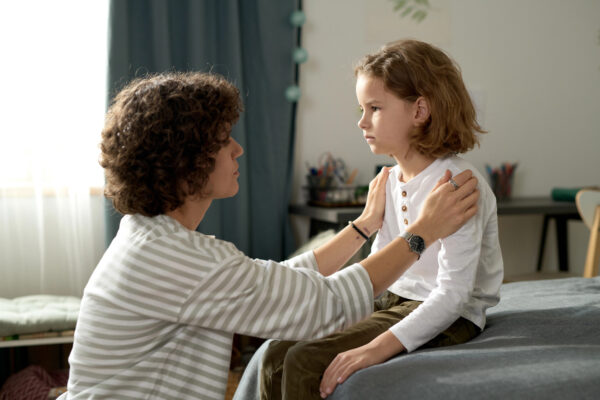
Good hygiene is an essential habit for children, as it plays a crucial role in their overall health and well-being. Teaching kids to maintain personal hygiene from a young age can help them develop a lifelong routine that supports both physical and mental health. Here are some top tips to help your child improve their personal hygiene.
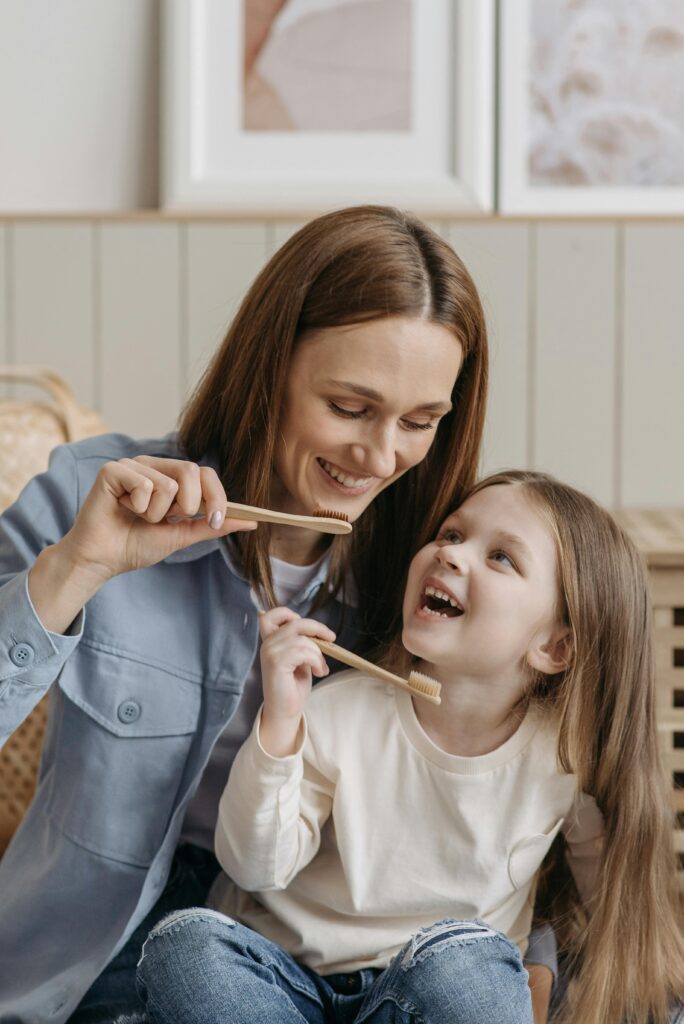
1. Start With The Basics
Begin by teaching your child the fundamentals of hygiene, like washing hands, brushing teeth, and bathing. Explain why each action is important for staying healthy. For example, washing hands helps prevent the spread of germs and keeps them from getting sick. Encourage them to wash hands before meals, after using the bathroom, and when they return from school or playing outside. Simple, clear instructions and visual cues can make it easier for young children to understand and remember.
2. Make Hygiene Routine and Fun
Routines help kids learn new skills more effectively. Try to incorporate hygiene practices into a daily routine to build consistency. Make these routines enjoyable—consider turning tooth brushing or hand washing into a fun activity by using songs, timers, or colourful soaps and toothbrushes. Like this private school in Gloucestershire, consider creating a positive association with hygiene tasks as it can motivate children to follow through with their routines.
3. Model Good Hygiene Practices
Children often imitate the behaviours of adults. By modelling good hygiene habits, you can encourage your child to do the same. Show them that you wash your hands regularly, brush your teeth, and take care of your hygiene needs consistently. They’re more likely to follow your example when they see you actively practicing what you preach.
4. Teach Proper Techniques
It’s essential to show children the correct techniques for different hygiene tasks. For instance, demonstrate how to brush teeth properly by teaching them to use small, circular motions for at least two minutes. Likewise, guide them through proper hand-washing, which should include lathering the soap for 20 seconds and rinsing thoroughly. Proper technique will ensure they’re effectively taking care of their hygiene and instil confidence in their abilities.
5. Address Hygiene for Different Areas of the Body
Help your child understand that personal hygiene goes beyond just brushing their teeth and washing hands. Discuss the importance of cleaning other parts of the body, such as keeping nails trimmed, washing their face, and maintaining hair hygiene. For older children, introduce topics like body odour and deodorant use, which will become essential during puberty. Breaking down hygiene into different areas can help your child form a comprehensive understanding of personal care.
6. Encourage Clean Clothing and Bedding
Teach your child that clean clothes and fresh bedding are a part of personal hygiene too. Make a habit of setting aside time each week to change bed sheets and encourage them to wear clean clothes daily. Explain the importance of fresh clothes and linens for a healthy body and good sleep, as well as for preventing skin irritations.
7. Reward Consistency
Positive reinforcement is a great way to encourage your child to stick to their hygiene routine. Set up a reward system, such as a sticker chart, to track their progress. Small rewards for completing a week of consistent hygiene can motivate them to keep up the good work. Recognising their efforts makes them feel accomplished and reinforces these positive habits.
8. Openly Discuss Hygiene and Puberty
As children grow, they’ll need to learn more advanced aspects of hygiene related to puberty. Have open and honest conversations about changes in their body, the importance of staying clean, and the steps to take for personal care. Providing accurate information in a supportive manner will help them feel comfortable and prepared to take charge of their hygiene.
By helping your child develop good hygiene habits early on, you’re equipping them with essential life skills that promote health and self-confidence. Remember, patience and encouragement go a long way in making hygiene practices a natural and enjoyable part of their day-to-day life.