
Living frugally does not mean saying no to everything you want. It means making thoughtful choices about where your money goes and deciding which expenses genuinely improve your family's life.
Many families focus on reducing grocery bills, avoiding unnecessary purchases, and finding affordable ways to enjoy their free time. These habits can help protect household finances, but saving money on every single purchase is not always the best approach.
Sometimes, spending a little more can save time, reduce stress, or prevent larger expenses in the future.
The key is knowing when an extra expense provides enough value to justify the cost.
For some families, that means investing in reliable household appliances. For others, it might involve occasional professional cleaning, better quality shoes, or meaningful family experiences.
Here are the areas where frugal families may choose to spend more and why these decisions can make sense.
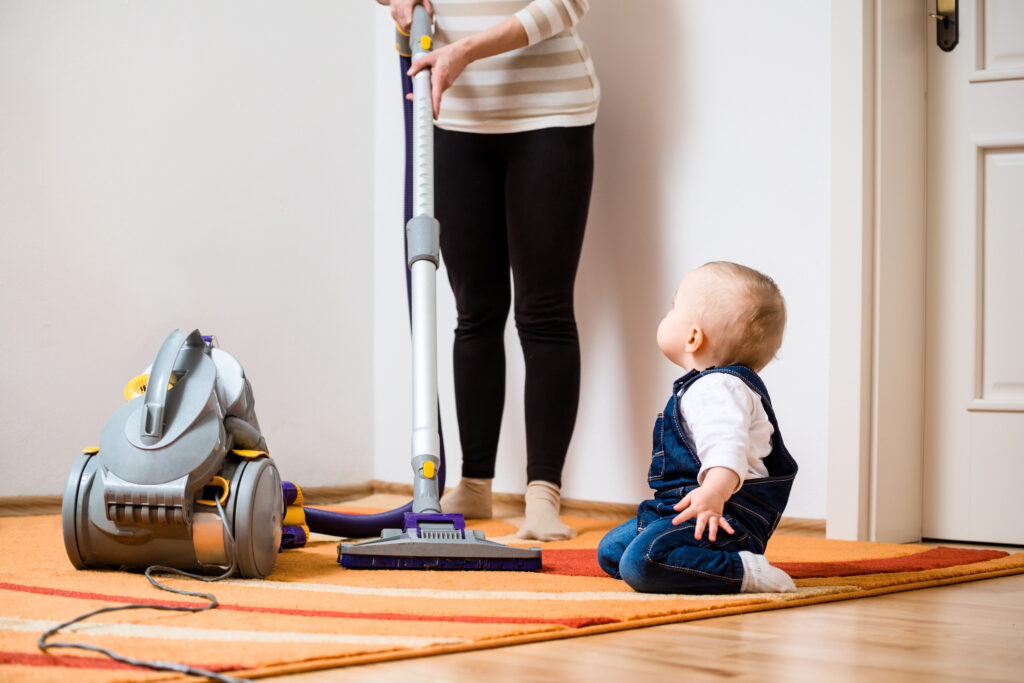
Household Help That Gives Families More Free Time
One of the most valuable things families can gain from thoughtful spending is more time together.
Cleaning, laundry, yard maintenance, and other household responsibilities can take up much of the week. When these chores become overwhelming, paying for occasional assistance may be worth considering.
For example, Adventures of a Frugal Mom's Homeaglow review explores the idea of using professional cleaning to reclaim time that would otherwise be spent on household chores. For families considering a similar approach, it can be helpful to compare the cost of cleaning services with the time and energy they could save. Before booking, review the current prices, included tasks, and any membership or cancellation terms to make sure the service fits your budget.
You do not need to hire someone for every chore to benefit from occasional help. Instead, focus on the tasks that take the most time or regularly interfere with family activities.
A thoughtful splurge should make your routine easier without creating financial pressure.
Quality Shoes and Everyday Clothing
Frugal families often look for affordable clothing, but choosing the cheapest option is not always the most economical decision.
Shoes that wear out quickly may need to be replaced sooner than expected. Clothing made from poor quality materials may lose its shape, fade, or become uncomfortable after regular washing.
Spending more on durable everyday items can sometimes provide better value.
This does not mean buying expensive designer brands.
Instead, look for clothing and shoes that fit well, feel comfortable, and are suitable for regular use.
Consider the quality of stitching, materials, and construction before making a purchase.
For children, think about how quickly they are growing before investing in expensive items.
A higher price is not always a sign of better quality, so compare options carefully.
The goal is to buy practical items that meet your family's needs rather than repeatedly replacing products that do not last.
Reliable Kitchen Appliances
The kitchen is one of the busiest areas in many homes.
Preparing meals, storing groceries, and cleaning dishes all require time and effort.
Reliable kitchen appliances can make these responsibilities easier.
For example, a dependable refrigerator helps store food safely, while an efficient washing machine or dishwasher may reduce the amount of manual work required.
When replacing an appliance, consider more than the purchase price.
Look at its size, energy use, maintenance needs, warranty, and expected suitability for your household.
A larger appliance is not necessarily better if your family does not need the extra capacity.
Likewise, expensive features may provide little value if you rarely use them.
Frugal families can make smart investments by choosing appliances that support their daily routines without paying for unnecessary extras.
Comfortable Mattresses and Bedding
Sleep is an important part of everyday wellbeing, and a comfortable sleeping environment can make a difference in how rested you feel.
While it may be tempting to purchase the least expensive mattress available, comfort and suitability deserve careful consideration.
A mattress should provide appropriate support and fit your sleeping preferences.
You may also want to invest in comfortable pillows, breathable bedding, and suitable blankets.
However, expensive products are not automatically better.
Compare materials, warranties, return policies, and customer experiences before making a decision.
If your current bedding is comfortable and in good condition, there may be no reason to replace it.
The purpose of spending more is to address a genuine need, not simply upgrade items because newer options are available.
Preventive Home Maintenance
Home repairs can become expensive when small problems are ignored.
A minor plumbing leak, damaged roofing material, or poorly maintained appliance may lead to larger issues if left unaddressed.
For this reason, frugal families often benefit from setting aside money for preventive maintenance.
Regularly inspect areas of your home that are vulnerable to wear and damage.
Pay attention to plumbing fixtures, drainage, ventilation, and household appliances.
Follow manufacturer recommendations for routine maintenance and arrange professional inspections when appropriate.
Some tasks are simple enough to handle yourself, while others require qualified professionals.
Electrical work, major plumbing repairs, and other specialized projects should be completed by properly trained providers.
Spending money on necessary maintenance can help protect your home and reduce the risk of more costly problems.
Nutritious Groceries That Your Family Will Actually Eat
Saving money on groceries is important, but buying the cheapest food available is not always the most practical choice.
Families need meals that are satisfying, nutritious, and suitable for their preferences.
Sometimes, spending a little more on fresh produce, quality ingredients, or convenient healthy options can make meal preparation easier.
However, this does not mean that nutritious food must be expensive.
Frozen vegetables, beans, eggs, oats, and other everyday ingredients can be affordable choices.
The key is finding a balance between cost, convenience, and nutrition.
Avoid purchasing expensive specialty foods simply because they are marketed as healthier.
Instead, choose ingredients that fit your family's needs and that you know will be used.
A thoughtful grocery budget should support healthy eating while minimizing waste.
Childcare That Provides Peace of Mind
For families with young children, reliable childcare can be an important expense.
Parents may need assistance while working, attending appointments, or managing other responsibilities.
Choosing childcare based only on price may not provide the best outcome.
Safety, experience, communication, and suitability for your child's needs are important considerations.
Before selecting a provider, ask about qualifications, supervision, routines, and relevant safety procedures.
You should also consider whether the arrangement fits your family's schedule.
A dependable childcare provider can help parents manage their responsibilities with greater confidence.
However, the cost should still fit within a realistic household budget.
Compare available options carefully and explore any suitable community programs or family support arrangements.
Family Experiences and Meaningful Traditions
Frugal living does not require avoiding every paid activity.
Sometimes, spending money on a meaningful family experience can provide more satisfaction than purchasing additional household items.
You might choose to save for a family vacation, a special celebration, or an activity that everyone has wanted to try.
The experience does not need to be elaborate.
A weekend trip, museum visit, or family outing can create enjoyable memories.
The important part is choosing activities that reflect your family's interests.
Rather than spending impulsively, plan ahead and set aside money gradually.
Look for affordable options and avoid borrowing money for experiences that are not essential.
A planned family activity can be a worthwhile splurge when it brings people together without disrupting financial priorities.
Education and Skill Development
Learning can be a valuable investment for both children and adults.
Families may choose to spend more on educational materials, tutoring, classes, or training when there is a clear benefit.
For example, a child who needs additional academic support may benefit from suitable tutoring.
An adult may decide to take a course that develops practical skills or supports career goals.
However, expensive programs are not always necessary.
Libraries, community centers, and free online resources may offer useful learning opportunities.
Before paying for a course, consider its quality, relevance, and whether it fits your goals.
Avoid signing up for programs simply because they promise impressive results.
The best educational spending addresses a specific need and provides opportunities that your family will genuinely use.
Tools That Make Everyday Chores Easier
Certain household tools can save time and reduce physical effort.
A dependable vacuum cleaner, practical kitchen equipment, or suitable gardening tools may make routine tasks easier to complete.
However, not every gadget deserves a place in your home.
Before buying something new, consider how often you will use it.
Think about whether the item solves a recurring problem or simply offers a small convenience.
You should also account for storage space, maintenance, and replacement parts.
A tool that requires extensive cleaning or complicated setup may create more work than it saves.
Frugal families can benefit from purchasing useful equipment while avoiding products that are unlikely to become part of their regular routines.
Professional Services That Require Special Skills
Some household tasks are best left to professionals.
Electrical repairs, complex plumbing work, roofing projects, and certain appliance repairs can involve safety risks or technical requirements.
Trying to complete these jobs without the necessary skills may create additional problems.
Hiring a qualified professional can be a sensible investment when the work requires specialized knowledge.
Before choosing a provider, verify relevant credentials and ask for a clear estimate.
Compare the proposed work, materials, and warranty terms.
You should also understand what is included in the quoted price.
Choosing the cheapest contractor without considering qualifications may lead to disappointing results.
A careful decision can help protect your home while keeping expenses manageable.
Transportation That Fits Your Family's Needs
Reliable transportation can be essential for work, school, grocery shopping, and family commitments.
For households that depend on a vehicle, maintenance and safety should be priorities.
Keeping up with necessary repairs, tire care, and routine servicing can help maintain reliability.
When purchasing a vehicle, consider your family's actual transportation needs.
A larger or more expensive model may not provide enough additional value to justify the cost.
Look at fuel expenses, insurance, maintenance, and other ownership costs.
If public transportation is practical in your area, it may offer a more affordable alternative for certain trips.
The best transportation choice is one that supports your family's routine without placing unnecessary pressure on your finances.
Services That Reduce Daily Stress
Sometimes, a worthwhile splurge is not a physical product.
It may be a service that removes a demanding responsibility from your schedule.
This could include occasional grocery delivery, laundry assistance, meal preparation help, or seasonal yard maintenance.
The value depends on your household's needs.
For example, grocery delivery may be useful during a particularly busy week but unnecessary when you have time to shop yourself.
Likewise, paying for laundry assistance may make sense when your schedule is crowded but provide little benefit during quieter periods.
Think about how much time the service saves and whether that time can be used meaningfully.
Avoid paying for convenience simply because it is available.
Choose services that solve a real problem and fit comfortably within your spending plan.
Home Improvements That Support Everyday Living
Home improvement projects can be tempting, especially when you see attractive designs online.
However, not every renovation is necessary or financially worthwhile.
Frugal families often benefit from focusing on improvements that make their homes safer, more comfortable, or easier to maintain.
For example, repairing damaged flooring, improving lighting, or adding practical storage may address everyday problems.
Before starting a project, identify the specific issue you want to solve.
Create a realistic budget and consider whether a smaller change could provide similar benefits.
You may find that rearranging furniture or improving organization is enough.
Avoid taking on expensive renovations simply to follow decorating trends.
A useful home improvement should serve your household's needs rather than create unnecessary debt.
When It Makes Sense to Spend Less
Knowing where to splurge also means understanding where you can comfortably save.
Some purchases provide little additional value when you choose a more expensive option.
For example, basic household supplies, simple storage containers, and everyday cleaning products may work well without premium branding.
You can also save money by borrowing rarely used tools, buying suitable secondhand items, or choosing free entertainment.
Before making a purchase, ask whether the higher price offers a meaningful benefit.
If a more affordable option meets your needs, there may be no reason to spend extra.
Saving on less important purchases creates more room in your budget for the things that genuinely matter.
How to Decide Whether a Splurge Is Worth It
Before spending more than usual, consider the reason behind the purchase.
Are you solving a recurring problem, improving safety, saving meaningful time, or supporting an important family goal?
Think about how often you will use the product or service.
A frequently used item may provide more value than something purchased for a single occasion.
You should also review the full cost.
Some services involve recurring payments, while certain products require maintenance, accessories, or replacement supplies.
Make sure the expense does not interfere with essential bills, emergency savings, or other financial responsibilities.
If you are unsure, give yourself time to consider the purchase.
Waiting can help you decide whether it is a genuine need or a temporary desire.
Frugal Living Is About Choosing What Matters
Being frugal is not about refusing every convenience or always choosing the least expensive option.
It is about understanding your family's priorities and using money in ways that support them.
For some households, that means investing in reliable appliances and home maintenance.
For others, it means saving for meaningful experiences or paying for occasional assistance that creates more free time.
There is no single list of worthwhile splurges that applies to every family.
The important part is making intentional decisions based on your needs, budget, and long term goals.
By saving on things that matter less and spending thoughtfully on things that provide genuine value, you can build a household budget that supports both financial stability and everyday enjoyment.
Spend With Purpose and Save Without Sacrifice
Frugal families do not need to eliminate every extra expense to manage their money wisely.
Sometimes, spending more on quality, convenience, or important services can make daily life easier and prevent unnecessary frustration.
The key is recognizing which expenses provide lasting value and which purchases can be reduced or avoided.
Focus on your family's needs, compare your options, and make room for meaningful spending only when your finances allow.
A thoughtful splurge should improve your life without creating new financial worries.
When you approach spending with clear priorities, you can enjoy the benefits of carefully chosen purchases while continuing to save for the future.