
In the early years of childhood, play is not merely about fun—it’s the cornerstone of development. From the moment babies start to explore their surroundings, toys play a critical role in helping children learn new skills, understand the world, and form the foundation for lifelong learning. Whether it's a set of blocks, a stuffed animal, or a simple puzzle, toys for toddlers and preschool toys are not just playthings; they are powerful tools for cognitive, social, and motor development. This article explores how different types of toys can enhance social, motor, and language skills in young children, shaping their growth and laying the groundwork for their future success.
The Role of Play in Early Development
Before diving into specific types of toys, it’s essential to understand the importance of play in early childhood. Play is the natural way children learn about themselves, others, and the world around them. According to experts, play is critical for brain development, social skills, and emotional regulation. Through play, children gain the ability to solve problems, experiment with cause and effect, and practice decision-making. As they engage with toys, children are developing not only fine and gross motor skills but also essential cognitive and language skills.
Toys act as a bridge between the child’s inner world and the external environment, providing opportunities to experiment, create, and engage with peers and caregivers. Through both solitary and interactive play, children develop a variety of key skills that will serve them throughout life.

Enhancing Social Skills through Toys
Social skills are fundamental to a child’s ability to navigate relationships with others and build connections in the community. Preschool toys, especially those that encourage group play, are instrumental in developing these skills.
Toys such as building blocks, dolls, or pretend play sets can encourage collaborative play. When children share toys and work together, they learn how to take turns, resolve conflicts, and communicate their thoughts and needs. For example, a set of blocks can spark a group activity where children work together to build a structure, encouraging discussions and teamwork. In these interactions, children are practising essential social concepts such as cooperation, empathy, and respect for others' space and ideas. They also begin to understand social norms, such as waiting for their turn or asking politely for something they want.
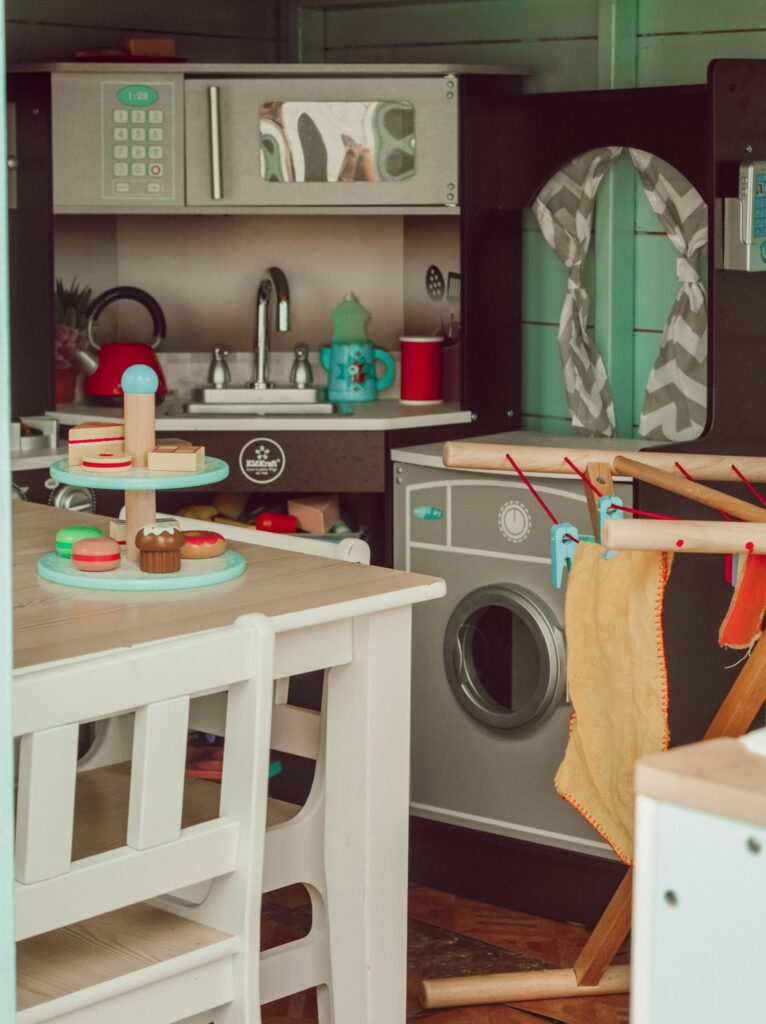
Pretend play toys, such as kitchen sets, doctor kits, or toolboxes, are particularly effective at enhancing social skills. In these scenarios, children assume roles and interact in ways that mirror the real world. This type of imaginative play allows children to take on roles such as a parent, teacher, or shopkeeper, helping them understand different perspectives and social roles. As they act out these roles, children learn to use language in social contexts, developing both communication and emotional intelligence.
In addition, toys that allow for structured group games—such as board games or card games—help children practice essential social skills like patience, winning and losing graciously, and fair play. Preschool toys that encourage interaction can also be beneficial in forming early friendships, helping children navigate the dynamics of social relationships, and developing their sense of self within a group.
Supporting Motor Skills with the Right Toys
Motor skills—both fine and gross—are essential to a child’s physical development and their ability to interact with the world. The toys children play with can have a direct impact on their motor skill development, helping them build strength, coordination, and dexterity.
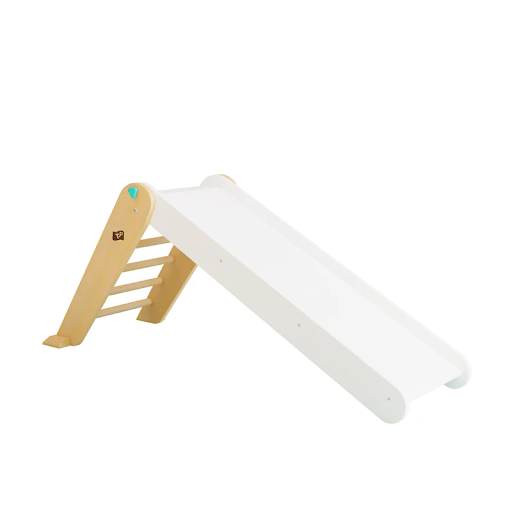
Gross motor skills are those that involve large muscle groups and include actions such as walking, running, jumping, and climbing. Toys for toddlers that encourage movement are perfect for developing these skills. Tricycles, push cars, or toys like hula hoops and soft balls encourage physical activity that strengthens muscles and improves coordination. Such toys also help toddlers develop balance and spatial awareness as they learn to move their bodies in various ways. Active toys like these not only keep children physically engaged but also contribute to the development of confidence in their abilities to navigate and control their movements.
Fine motor skills, on the other hand, involve the small muscles in the hands and fingers. These skills are crucial for tasks such as writing, drawing, dressing, and feeding. Toys that promote fine motor development include puzzles, stacking toys, and art supplies. For instance, toys like shape sorters, peg boards, or building sets challenge children to manipulate small objects, enhancing their hand-eye coordination and dexterity. As children grasp, stack, or fit pieces together, they are refining their fine motor skills, which will be essential as they grow older and begin more complex tasks, such as writing or using utensils.
Crafting toys, like crayons, scissors, and playdough, also encourage children to use their hands in creative ways, developing both fine motor precision and creativity. Simple activities like drawing or moulding shapes with playdough not only promote motor skill development but also give children an outlet for self-expression.
Language Development and Communication
Language development is another area in which toys play a pivotal role. From their first babbles to their first full sentences, children learn language by listening, imitating, and practising. Toys that engage children in conversation or require them to use their language skills are key to boosting both their vocabulary and communication abilities.
Picture books and storytelling toys, such as dolls with recorded stories or interactive books, provide opportunities for children to expand their vocabulary and learn how to structure sentences. These types of toys expose children to new words, phrases, and concepts, helping them better understand language. When caregivers read with children or use toys to create stories, it fosters a love for language and enhances listening skills.
Moreover, language-rich toys that prompt children to follow directions or describe actions also support their language skills. For example, simple board games or action figures that ask questions or require verbal responses encourage children to think critically about their words and practice sentence construction. As children engage with these toys, they begin to understand the connection between words and actions, reinforcing the link between language and communication.
For toddlers, toys that introduce basic concepts such as colours, shapes, and numbers are essential for building early language foundations. These toys help children begin to recognise objects, associate names with items, and understand the building blocks of communication. As toddlers interact with these toys, they gradually learn to speak in complete sentences, ask questions, and express their needs more clearly.
Toys are not just a source of entertainment; they are essential tools that help foster social, motor, and language development in young children. From the earliest stages of childhood, toys for toddlers and preschool toys serve as platforms for learning, creativity, and social interaction. Whether it’s a set of building blocks that promotes teamwork, a puzzle that strengthens fine motor skills, or a storytelling toy that enhances language development, each toy contributes to a child’s growth in meaningful ways.
As parents, caregivers, and educators, understanding the role that toys play in development can help ensure that children have access to the right toys that meet their developmental needs. By providing engaging and stimulating toys, we set the stage for a future where children are not only fun-loving but also well-equipped to navigate the world around them with confidence, creativity, and strong social connections.