
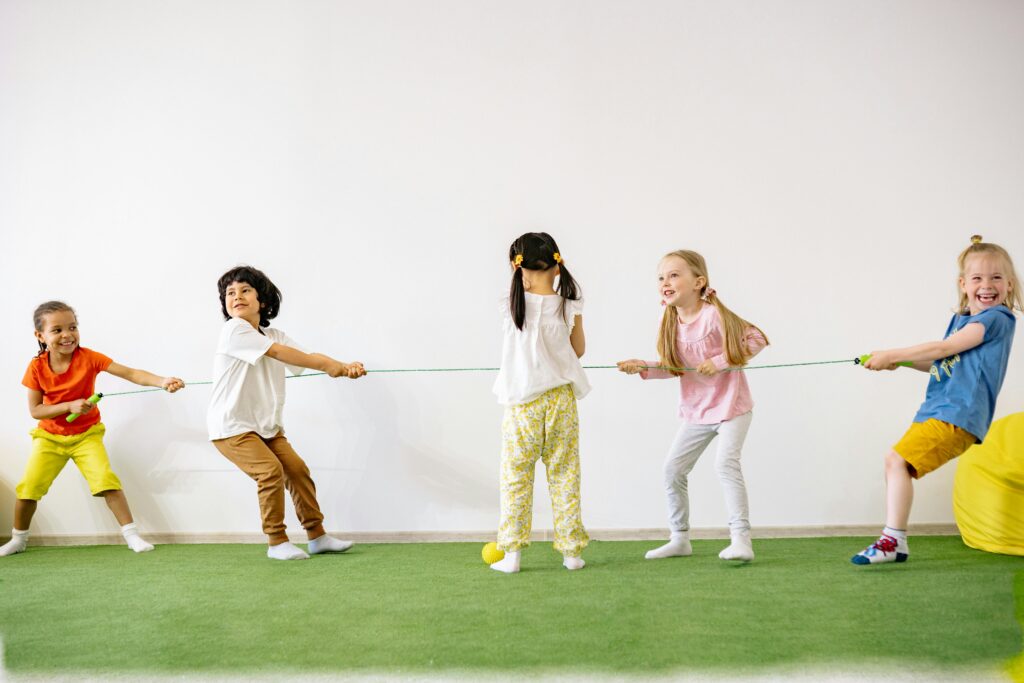
Raising a team player goes beyond teaching kids how to pass a ball or share toys; it's about instilling values that shape them into cooperative, empathetic individuals. Here are some key ways to encourage teamwork and build social skills that will help your child succeed and form positive relationships throughout life, inspired by the teachings of this independent school in Surrey.
1. Model Teamwork at Home
Children learn by observing the adults around them, so start by modelling teamwork in daily life. Work together on household tasks, share responsibilities, and talk about how each family member’s efforts contribute to a common goal. Let children see you compromise and communicate openly with your partner and friends. This example of cooperation will provide a foundation for their understanding of what it means to be part of a team.
Tip: When faced with challenges or disagreements at home, discuss solutions openly. This teaches kids that teamwork doesn’t mean avoiding conflicts but finding ways to solve them together.
2. Encourage Group Activities
Participating in group activities—whether in sports, clubs, or community service—gives children practical opportunities to develop teamwork skills. Choose activities that focus on collaboration rather than competition. Cooperative sports like soccer or dance groups teach kids how to depend on one another and celebrate each other’s strengths.
Tip: If your child seems more introverted, look for non-athletic group activities, such as art projects, community service, or school clubs. It’s important that children have a variety of ways to experience and appreciate teamwork.
3. Teach Empathy and Listening Skills
Team players understand and respect other people’s feelings and perspectives. Teaching empathy is essential for developing teamwork. Encourage your child to listen when others are talking, ask questions, and consider how others might feel in different situations. Role-playing and discussing how characters in stories might feel can also reinforce these skills.
Tip: Praise your child when they show empathy or kindness. For example, “I noticed you shared your toy with your friend even though you were still playing with it—that was very thoughtful.” This kind of positive reinforcement encourages them to keep practicing these skills.
4. Praise Cooperation Over Competition
While a little competition can be healthy, overly focusing on winning can undermine teamwork. When children achieve something, acknowledge the group effort that went into the success. Emphasise that winning is not the only goal—working well with others is just as important.
Tip: After group activities, ask your child about their experience working with others. Encourage them to share what they enjoyed about cooperating and what challenges they faced. This helps them reflect on the importance of teamwork beyond just the outcome.
5. Handle Conflicts Constructively
Learning to resolve conflicts is a key part of being a team player. Teach your child strategies for managing disagreements, such as using “I” statements, expressing feelings calmly, and listening to others. Show them that conflicts are natural and can often lead to growth and better understanding.
Tip: If a conflict arises at home or with friends, guide your child through the resolution process. For instance, if they’re arguing over a toy, encourage them to take turns or come up with a solution together. This empowers them to resolve conflicts independently and peacefully.
6. Set a Positive Example
As a parent, your influence is powerful. Show your child that you value cooperation, kindness, and understanding in your interactions with others. Your child will likely carry these values forward, becoming someone who knows the importance of teamwork in every aspect of life.
Raising a team player takes time and patience, but it’s one of the most rewarding qualities you can nurture in your child. By teaching them cooperation, empathy, and conflict resolution, you’ll be setting them up for success in building healthy relationships and thriving in group settings throughout their life.