
Think about the things you own that actually mean something. Not the bank balance, the other stuff, your grandfather's watch, the house you fixed up room by room, the record collection nobody else appreciates quite the way you do. You almost certainly have a clear picture in your head of who should end up with each of them.
Here is the catch. If you die in Lafayette without a will, that picture in your head counts for nothing. Louisiana has already written a plan for your belongings, the same one it applies to everyone who never got around to making their own, and it has no idea that the watch was promised to your nephew. This is what actually happens when you leave the decision to the state.
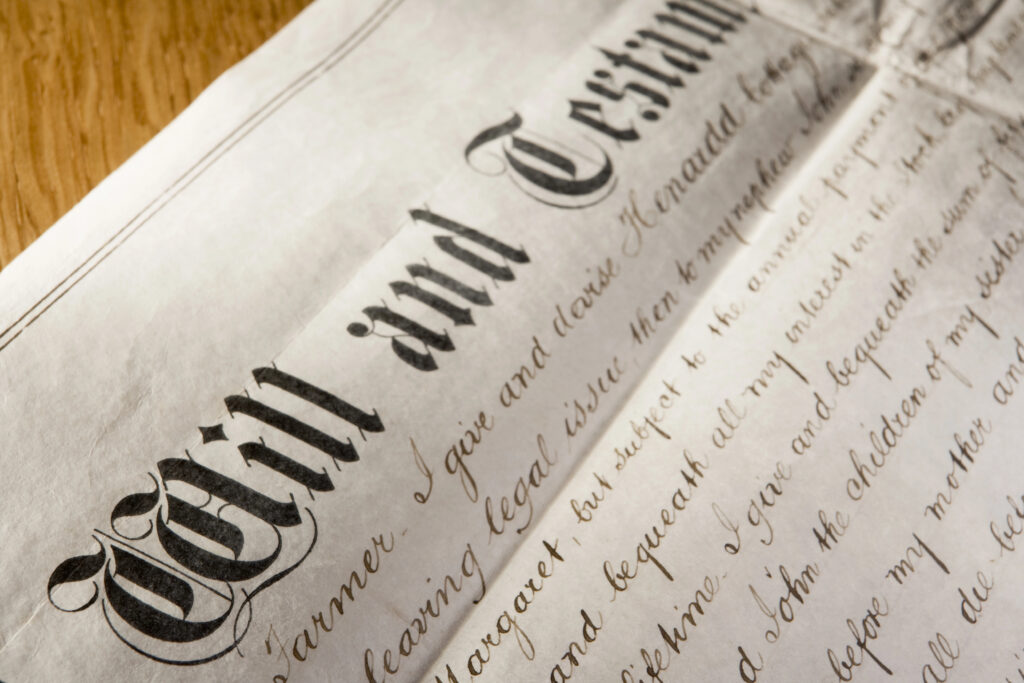
What Dying Without a Will Really Means
When someone dies without a valid will, the law calls it dying intestate. It is not some rare mix-up that happens to disorganized people. It is the default setting for most adults, because writing a will is one of those tasks that is easy to put off until some later date that never quite arrives.
And most people really do put it off. A 2025 Caring.com survey found that just 24% of American adults have a will, which means more than three out of four are leaving these decisions entirely up to the state. Intestate is not an unusual situation at all. It is simply what happens by default when no one says otherwise.
Louisiana Decides Who Inherits, Not You
Once there is no will, your personal wishes stop mattering in any legal sense, and a fixed set of state rules takes over. Louisiana is its own animal here. It follows community property and forced heirship rules that look nothing like the law in most other states, which means even advice you picked up from a friend across state lines may not apply to you.
In broad strokes, your children and other direct descendants usually sit at the front of the line for your separate property, while your spouse has rights tied to community property the two of you built together. If you have neither a spouse nor children, the chain moves outward to your parents, then your siblings, then more distant relatives. The point is simple: a rigid formula decides everything, and that formula cannot bend to fit the actual relationships in your life.
The People the Law Quietly Leaves Out
The default rules are built around blood relatives and legal spouses, which creates some painful blind spots. A long-term partner you never married can receive nothing at all, no matter how many years you shared a home. Stepchildren you helped raise but never legally adopted are often treated as strangers by the court.
The same goes for close friends, a favorite charity, or that nephew you had in mind for the watch. None of them exist in the eyes of the intestacy formula. If you want anyone outside the strict family tree to receive something of yours, a will is the only way to make that wish count, because the state will never guess at it on your behalf.
How a Will Puts You Back in Charge
A will flips the whole situation around. Instead of a formula sorting your belongings, you decide who gets what, right down to specific items and the people who fall outside the default rules. You can name the person you trust to carry it all out, and you can spare your family the guesswork during a time when they are already stretched thin.
Because Louisiana's rules are so particular, this is one area where do-it-yourself templates tend to backfire, and sitting down with a will lawyer in Lafayette is well worth the afternoon. A firm like Oak Grove Estate Planning can make sure the document actually holds up under state law, that it covers the people and items you care about, and that nothing gets accidentally left to chance. A will written correctly the first time saves your family a great deal later.
What Else a Will Takes Care Of
A will does more than divide up your things. If you have young children, it is where you name a guardian to raise them, which is arguably the single most important decision in the entire document. Without that instruction, a court decides who steps in, and it may not land on the person you would have chosen.
It also quietly heads off conflict. Clear, written instructions give grieving relatives far less to argue about, and they shorten the legal process that follows a death. A good deal of the family friction that erupts after a funeral traces straight back to the fact that nobody knew what the person actually wanted.
The Bottom Line
Dying without a will does not mean your belongings vanish or go to the government in most cases. It means a one-size-fits-all state formula makes every decision for you, and that formula does not know your family, your promises, or the people who matter most outside the bloodline.
The fix is refreshingly simple. Putting your wishes in writing takes far less time than people fear, and it replaces a rigid default with your actual intentions. If any of this hit a nerve, that is usually a sign it is worth handling sooner rather than later, while the choice is still yours to make.