Pregnancy, breastfeeding, weight changes, and aging can all change the shape of your breasts. You may notice that your breasts sit lower than they used to, your skin feels less firm, or certain clothes no longer fit the way you like. These changes are normal, but it is understandable to want to explore your options.
Breast lift has become a popular solution for women all over the world, including here in Orlando. But despite its popularity, it is not for everyone. A consultation is a chance to learn what a breast lift can do for you and whether it suits your needs.
Before making a decision, here are five questions worth asking the surgeon during your first consultation.
1. What Can a Breast Lift Change About My Shape?
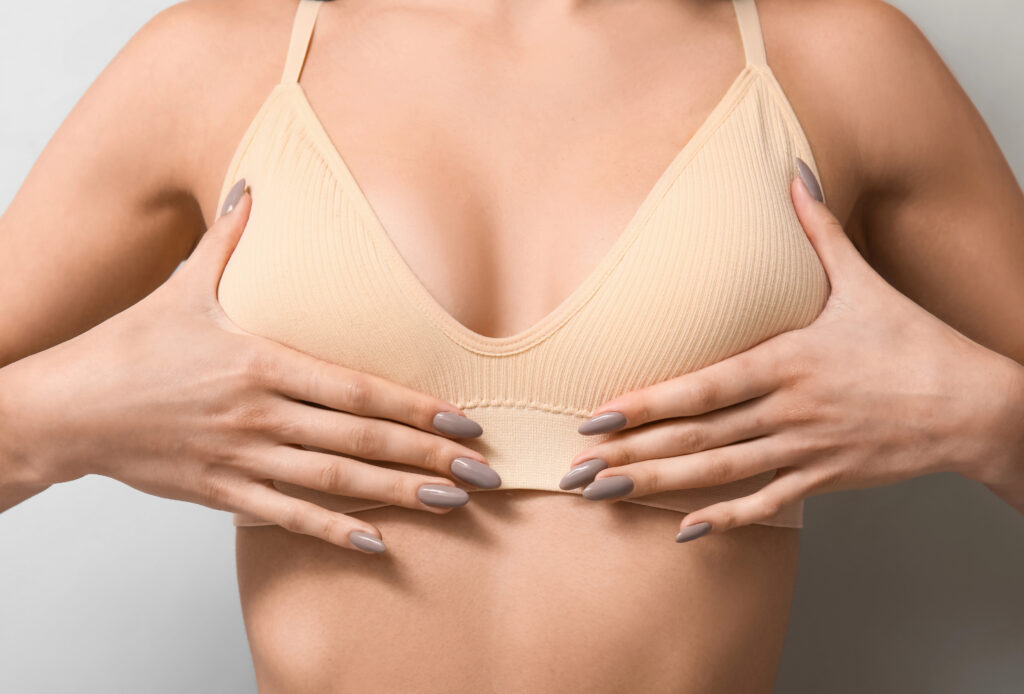
A breast lift, also called mastopexy, removes extra skin and reshapes the breast tissue to create a more lifted appearance. It can also move the nipple and areola to a higher position when needed.
However, a breast lift does not usually make your breasts much larger or smaller. Its main purpose is to improve their position and shape. If you also want more fullness or a smaller breast size, your surgeon may discuss combining a lift with breast augmentation or reduction.
Ask your surgeon what changes are possible based on your current breast shape, skin quality, and goals. You can explain what bothers you, whether it is sagging, stretched skin, or nipples that point downward.
It is also helpful to discuss what the procedure cannot change. A clear understanding of the likely result can help you decide whether surgery matches what you have in mind.
2. Am I a Good Candidate for Breast Lift Surgery?
Not everyone will be ready for a breast lift at the same time. Your health, skin quality, breast shape, and plans for future pregnancies can all affect the decision.
If you are still breastfeeding or planning to become pregnant soon, ask whether it would be better to wait. Pregnancy can change breast size and shape again, which may affect your results. Your surgeon may also discuss whether your weight has been stable enough for surgery.
If you are looking to have your breast lift in Orlando, use your consultation to discuss your medical history and personal goals, not just the appearance you want to achieve. For example, if you intend to breastfeed in the future, Clark Institute for Aesthetics explains that this will influence the incision type that will be used for your procedure. Be honest about any health conditions, medicines, supplements, or previous breast procedures. These details can help your surgeon assess your suitability and explain whether any extra steps are needed before surgery.
3. What Will My Results Look Like, and What Scars Should I Expect?
It is natural to want to know how your breasts may look after surgery. Ask your surgeon what kind of change is realistic for your body and which surgical technique may suit you. The type of lift often depends on how much sagging needs to be corrected. Some procedures use an incision around the areola, while others may require additional incisions down the breast or along the breast crease.
Scars are part of the process, so ask where they will be, how they may look over time, and how to care for them as they heal. The Mayo Clinic explains that breast lift scars usually soften and fade over one to two years, although they do not disappear completely.
You should also ask about possible changes in nipple or breast sensation, uneven results, infection, and other surgical risks. Knowing both the benefits and limitations helps you make a more informed choice.
4. How Long Will Recovery Take, and What Help Will I Need?
Recovery after a breast lift typically takes two to four weeks, depending on the extent of surgery and the patient's health. It’s important to plan for that period beforehand, especially if you have children, work, or other responsibilities at home. You may need to wear a supportive surgical bra and limit physical activity during this time.
Ask your surgeon when you can return to work, drive, exercise, lift heavy items, and resume your usual routine. The answers may differ depending on your procedure and how your body heals.
It is also worth arranging help before surgery. You may need someone to drive you home and assist with household tasks during the first few days. If you have young children, planning who will handle lifting, bathing, and other physical tasks can make recovery less stressful.
5. How Can I Maintain My Results, and What Are the Risks?
A breast lift can create a more lifted shape, but it cannot stop the natural aging process. Future pregnancy, weight changes, and changes in skin elasticity may affect your results over time. Ask your surgeon what you can do to support healing and maintain your results. This may include following activity restrictions, attending follow-up visits, and keeping your weight stable. You should also ask whether your medical history creates any specific risks.
It is important to understand that all surgery carries some risk. Bleeding, infection, scarring, changes in sensation, and problems with healing are among the possible complications. Your surgeon should explain which risks apply to you and how they are managed.
Do not feel you have to agree to surgery during your first visit. Take time to consider the information, review the costs, and ask any questions that remain unanswered.
Conclusion: Make Your Consultation Count
A breast lift is a personal decision, and there is no need to rush it. Your first consultation should help you understand the procedure, explore realistic results, and decide whether the benefits are worth the risks and recovery involved.
Write down your questions before the appointment and be open about what you hope to change. With clear information and advice from a qualified plastic surgeon, you can make a decision that feels right for your body, health, and stage of life.