

50 Great Wheelchair-Friendly Days Out in Ireland: Exploring Accessible Adventures

Ireland, with its stunning landscapes, rich history and vibrant culture, offers a wealth of experiences for travellers of all abilities. For wheelchair users, finding accessible attractions can sometimes be a challenge, but many sites across the Emerald Isle have gone above and beyond to ensure everyone can enjoy their beauty. Whether you're a local looking for new adventures or a visitor exploring the country, here’s a guide to some of the best wheelchair-friendly days out in Ireland.

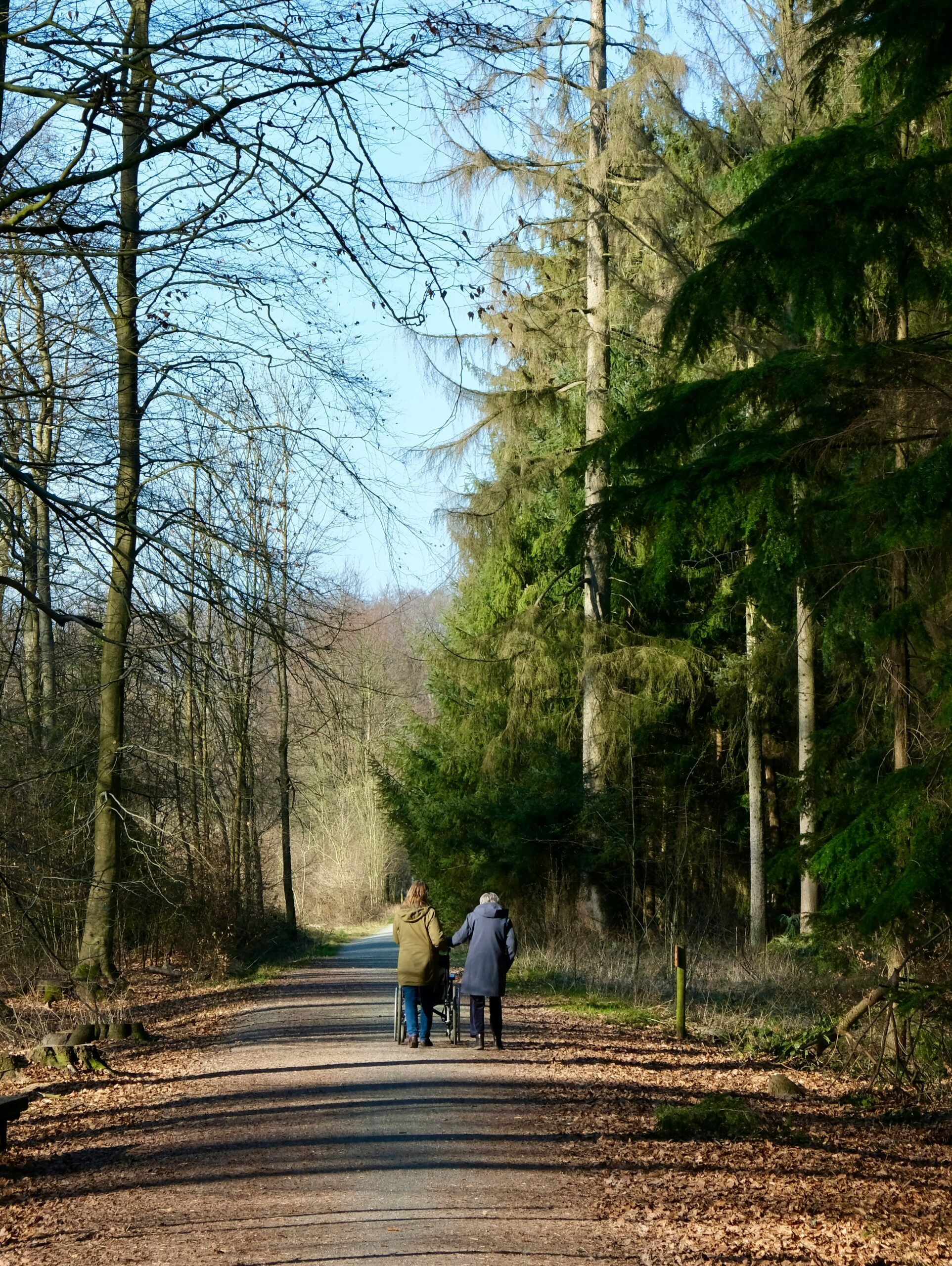
People walking through a forest pushing a wheelchair

Photo by Peter Heymans on Unsplash


1. Dublin Zoo: A Family-Friendly Adventure

Nestled in the heart of Phoenix Park, Dublin Zoo is a fantastic destination for a wheelchair-friendly day out. The zoo is committed to accessibility, with smooth pathways, accessible restrooms, and ramps to ensure that all visitors can explore with ease. The zoo offers free entry for carers, and wheelchair users can enjoy close encounters with a diverse range of animals, from majestic elephants to playful penguins. The African Savannah section is particularly notable for its accessibility, providing panoramic views of the animals in a naturalistic setting.

Tip: Arrive early to avoid the crowds and take advantage of quieter viewing times.


2. The National Gallery of Ireland: Art and Culture in Dublin

For a more cultural experience, the National Gallery of Ireland in Dublin is a must-visit. The gallery houses an impressive collection of European and Irish art, with works by renowned artists such as Caravaggio, Vermeer, and Jack B. Yeats. The gallery is fully accessible, with lifts, ramps, and accessible toilets available throughout the building. Wheelchair users can easily navigate the spacious galleries and enjoy guided tours tailored to their needs.

Tip: Check the gallery’s website for information on special exhibitions and events that may be of interest.

3. The Cliffs of Moher: Breathtaking Views in County Clare

The Cliffs of Moher are one of Ireland’s most iconic natural landmarks, offering breathtaking views over the Atlantic Ocean. The site has made significant strides in accessibility, with a wheelchair-friendly pathway leading to the main viewing platform. The Visitor Centre is fully accessible, with ramps, elevators, and accessible restrooms. The cliffs are a must-see for nature lovers, and wheelchair users can enjoy the dramatic scenery without barriers.

Tip: Visit early in the morning or late in the afternoon to avoid the busiest times and enjoy a more serene experience.


4. Titanic Belfast: A Journey Through History

Titanic Belfast, located in the city where the legendary ship was built, offers an immersive and accessible experience for visitors. The museum tells the story of the Titanic, from its construction to its tragic end, through interactive exhibits and displays. The entire building is wheelchair accessible, with elevators, wide pathways, and accessible toilets available. The museum also provides sensory rooms and quiet spaces for visitors who may need them. Pair with a visit to the Titanic Hotel, which is just across the road, for an amazing afternoon tea experience.

Tip: Allocate at least a couple of hours to explore the museum thoroughly; there’s a lot to see! Book a quieter time slot for your visit if possible, as the museum can get quite busy at peak times, which may make navigating the displays harder for wheelchair users.


5. The Burren National Park: Nature and Serenity

The Burren National Park in County Clare offers a unique landscape of limestone pavements, rare flora, and ancient monuments. The park has worked to make its natural beauty accessible to all, with wheelchair-friendly trails that allow visitors to explore this otherworldly terrain. The accessible Carron Loop offers a smooth path with stunning views, perfect for a peaceful day out in nature.

Tip: Bring a picnic and enjoy a meal surrounded by the serene beauty of the Burren.


6. Malahide Castle and Gardens: A Historic Day Out

Located just outside Dublin, Malahide Castle is a wonderful blend of history and natural beauty. The castle’s ground floor is accessible to wheelchair users, and the extensive gardens have paved paths that allow for easy exploration. The West Lawn is particularly beautiful in the spring and summer months, with vibrant floral displays and plenty of spots to sit and relax.

Tip: Take the accessible guided tour to learn about the castle’s fascinating history and the Talbot family who lived there for centuries.

Red grand hall in Kilkenny Castle, Ireland

Photo by Clay Banks on Unsplash


7. Kilkenny Castle: Medieval Charm in the Heart of Ireland

Kilkenny Castle is a striking example of medieval architecture, and it’s also one of the most wheelchair-friendly castles in Ireland. The ground floor and gardens are accessible, with ramps and smooth pathways making it easy to explore. The Long Gallery, with its stunning painted ceiling, is a highlight of the tour. The castle grounds also offer beautiful views of the River Nore, making it a perfect spot for a leisurely stroll.

Tip: After your visit, explore Kilkenny’s charming city center, which has a number of accessible cafes and shops.


8. Powerscourt Estate and Gardens: A Luxurious Escape

Powerscourt Estate in County Wicklow is home to one of the most beautiful gardens in the world. The estate’s formal gardens are accessible via smooth, gravel pathways, and there are several accessible viewing points that offer stunning vistas of the Italian Gardens, the Japanese Gardens, and the surrounding Wicklow Mountains. The house itself has limited accessibility due to its historic nature, but the main attraction is undoubtedly the gardens.

Tip: Don’t miss the Powerscourt Waterfall, Ireland’s highest waterfall, which is also accessible to wheelchair users.


9. Glendalough Monastic Site: A Journey into Ireland’s Past

Glendalough, located in County Wicklow, is a historic monastic site surrounded by picturesque scenery. The Visitor Centre is fully accessible, and the site features a boardwalk trail that allows wheelchair users to explore the beautiful Lower Lake area. The accessible pathway provides stunning views of the monastic ruins and the surrounding mountains, making it an ideal spot for history buffs and nature lovers alike.

Tip: Visit early in the day to enjoy the tranquility of the area before it gets busy.


10. The Giant’s Causeway: A Geological Wonder

Although located in Northern Ireland, the Giant’s Causeway is a must-see for anyone visiting the island. This UNESCO World Heritage site offers an accessible Visitor Centre with interactive exhibits and a wheelchair-friendly path leading to the basalt columns. The site has a special shuttle bus with wheelchair access that takes visitors from the Visitor Centre directly to the Causeway.

Tip: Wear weather-appropriate clothing as it can get windy along the coast.


11. Killarney National Park: Majestic Scenery in County Kerry

Killarney National Park is one of Ireland’s most beautiful natural attractions, offering accessible trails that take you through lush landscapes and past stunning lakes. Muckross House, located within the park, is wheelchair accessible on the ground floor, and the surrounding gardens are also easy to navigate. The accessible Ross Castle offers a unique insight into Ireland’s history, with beautiful views over Lough Leane.

Tip: Consider taking a jaunting car (horse-drawn carriage) ride, which can accommodate wheelchairs, for a traditional experience.


12. Galway City: Culture and Accessibility Combined

Galway is known for its vibrant arts scene, and the city’s charm is easily accessible to all visitors. The Spanish Arch and Galway City Museum are both wheelchair-friendly, offering insights into the city’s rich history. The Salthill Promenade is another accessible highlight, where you can take a leisurely stroll along the seafront with stunning views of Galway Bay.

Tip: Check out the numerous accessible restaurants and cafes in Galway’s Latin Quarter for a true taste of local culture.


13. The Irish National Stud and Gardens: A Unique Day Out

Located in County Kildare, the Irish National Stud offers a unique blend of horse breeding excellence and serene gardens. The site is wheelchair accessible, with smooth pathways throughout the Japanese Gardens, St. Fiachra’s Garden and the Horse Museum. The National Stud itself is a fascinating place to learn about Ireland’s horse racing heritage.

Tip: Visit in the spring to see the newborn foals in the paddocks.


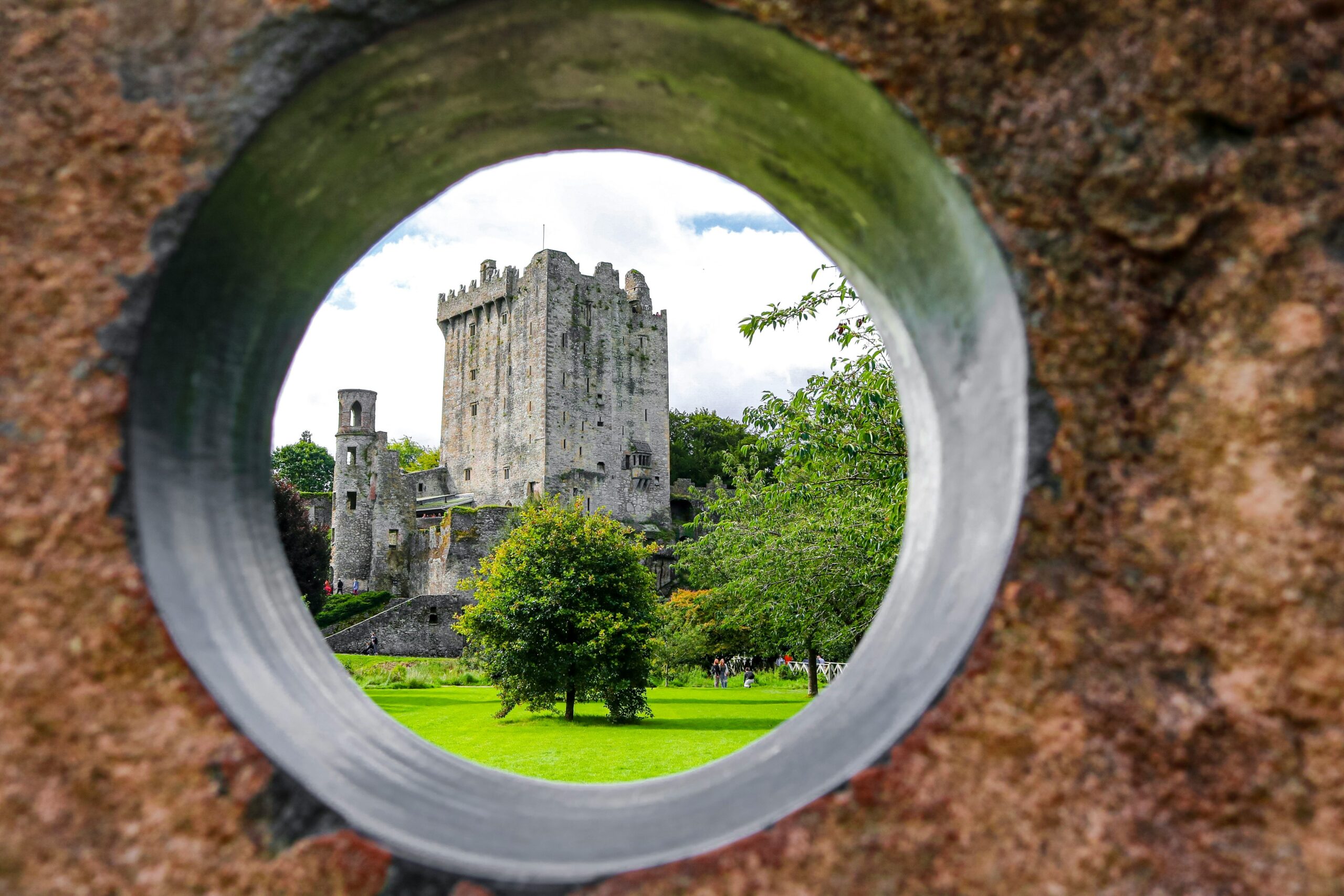
Blarney Castle through a circular viewpoint

Photo by Dahlia E. Akhaine on Unsplash


14. Blarney Castle and Gardens: Kiss the Stone, Explore the Grounds

While the famous Blarney Stone itself is not wheelchair accessible, the extensive gardens surrounding Blarney Castle are. The gardens feature accessible pathways, and wheelchair users can explore the Rock Close, a mystical area with ancient trees and druidic stones. The sensory garden is also a lovely feature, offering a rich experience for all the senses.

Tip: After exploring the gardens, enjoy a meal at the accessible Blarney Woollen Mills nearby, which also offers shopping opportunities.


15. EPIC The Irish Emigration Museum: A Modern Museum Experience

Located in Dublin, EPIC The Irish Emigration Museum is a state-of-the-art interactive museum that tells the story of Irish emigration. The museum is fully wheelchair accessible, with lifts, ramps, and spacious galleries. Visitors can engage with multimedia exhibits that bring the stories of Irish emigrants to life, making it a highly engaging and educational experience.

Tip: Allow extra time to fully explore the interactive exhibits and enjoy the nearby CHQ Building, which offers accessible dining and shopping options.


16. Cork City Gaol: A Fascinating Historic Experience

Cork City Gaol offers a glimpse into Ireland’s past, showcasing the history of the prison and the lives of its inmates. The Gaol is partially accessible, with a wheelchair-friendly entrance and access to the ground floor and museum areas. Although the upper levels are not accessible, the informative displays and atmospheric setting make it worth a visit.

Tip: Pair your visit with a trip to the nearby Fitzgerald Park, which offers accessible pathways and beautiful riverside views.


17. Newgrange: A Journey Back to Ancient Times

Newgrange, a prehistoric monument in County Meath, is older than Stonehenge and the Great Pyramids of Giza. While the interior of the tomb is not wheelchair accessible due to its narrow passageways, the Visitor Centre is fully accessible. The site also offers a shuttle bus with wheelchair access to the exterior of the monument, where you can admire this incredible piece of ancient architecture.

Tip: Book your tickets in advance, as Newgrange is a popular attraction and visitor numbers are limited.


18. The Ring of Kerry: A Scenic Drive with Accessible Stops

The Ring of Kerry is one of Ireland’s most famous driving routes, offering breathtaking coastal and mountain views. While the route itself is best experienced by car, there are several accessible stops along the way, including the scenic Ladies View, Rossbeigh Beach, and the town of Killarney. Many of the viewing points are wheelchair accessible, providing ample opportunities to take in the stunning scenery.

Tip: Plan your route in advance to include accessible stops and viewpoints for the best experience.


19. Phoenix Park: A Green Oasis in Dublin

As one of the largest enclosed parks in Europe, Phoenix Park in Dublin is a great place for a leisurely day out. The park offers accessible pathways, and highlights include Áras an Uachtaráin (the residence of the Irish President), the Wellington Monument, and the Phoenix Park Visitor Centre. The park is also home to a herd of wild deer, which are often spotted grazing in the open fields.

Tip: Rent an accessible bike from the park’s rental service to explore more of this vast green space.


20. Croke Park Stadium Tour: For the Sports Enthusiast

Croke Park in Dublin is the headquarters of the Gaelic Athletic Association (GAA) and the third-largest stadium in Europe. The stadium offers a fully accessible tour, including the museum, locker rooms, and a chance to walk pitchside. The Skyline Tour, which offers panoramic views of Dublin from the stadium’s rooftop, is also accessible via an elevator.

Tip: If possible, attend a GAA match to experience the electric atmosphere of Irish sports culture firsthand.


Inside the Guiness Storehouse, Dublin

Photo by Erkki Pung on Unsplash


21. The Guinness Storehouse: A Taste of Dublin

No trip to Dublin is complete without a visit to the Guinness Storehouse, where you can learn about the history of Ireland’s most famous beer. The seven-story building is fully wheelchair accessible, with elevators serving all floors. The highlight of the visit is the Gravity Bar at the top, offering panoramic views of Dublin’s skyline. The interactive exhibits throughout the storehouse make for an engaging experience, and there are accessible restrooms on every floor.

Tip: After your tour, relax with a pint of Guinness in the Gravity Bar and take in the 360-degree views of Dublin.


22. Lough Boora Discovery Park: Outdoor Adventure in County Offaly

Lough Boora Discovery Park offers a range of accessible outdoor activities, including walking and cycling trails, bird watching, and fishing. The park’s pathways are designed to accommodate wheelchairs, and the accessible sculptures dotted throughout the park add an artistic touch to your exploration. The park’s Visitor Centre provides information on accessible trails and facilities.

Tip: Bring a camera to capture the park’s unique blend of natural beauty and art.


23. Dingle Oceanworld Aquarium: Marine Wonders in County Kerry

Located in the charming town of Dingle, Oceanworld Aquarium offers a fully accessible experience for visitors of all abilities. The aquarium features a variety of marine life, including sharks, penguins, and sea turtles. The pathways are wide and smooth, making it easy for wheelchair users to navigate. The aquarium also offers touch tanks, allowing visitors to interact with some of the marine creatures.

Tip: Don’t miss the daily feeding sessions, which are both educational and entertaining.


24. The Chester Beatty Library: A Cultural Gem in Dublin

The Chester Beatty Library, located within Dublin Castle, is home to a world-class collection of manuscripts, rare books, and artifacts from across the globe. The library is fully accessible, with elevators, ramps, and accessible restrooms available. The exhibits are thoughtfully curated, offering a deep dive into the history and culture of various civilizations. The rooftop garden is also accessible and provides a peaceful spot for reflection.

Tip: Join one of the free guided tours for a more in-depth understanding of the collection.


25. Belfast Botanic Gardens: A Tranquil Escape

The Belfast Botanic Gardens offer a peaceful retreat within the city, featuring a wide range of plant species from around the world. The gardens are fully accessible, with smooth pathways that lead through the Victorian Palm House, the Tropical Ravine, and the beautifully landscaped outdoor gardens. The Palm House, in particular, is a highlight, with its stunning architecture and exotic plants.

Tip: Visit the nearby Ulster Museum, which is also fully accessible, to explore exhibits on history, art, and science.


26. Kylemore Abbey and Victorian Walled Garden: A Scenic Day Out in Connemara

Kylemore Abbey, set against the backdrop of Connemara’s stunning landscape, offers a mix of history, architecture, and natural beauty. The Visitor Centre and the ground floor of the abbey are wheelchair accessible, as are the stunning Victorian Walled Gardens. The gardens feature accessible pathways, and the abbey’s history, dating back to the 19th century, is well worth exploring.

Tip: Enjoy a meal or a snack at the accessible on-site restaurant, which offers locally sourced food and beautiful views.


27. Slieve League Cliffs: Spectacular Coastal Views in County Donegal

The Slieve League Cliffs are among the highest sea cliffs in Europe, offering dramatic views of the Atlantic Ocean. The cliffs have an accessible viewing platform at Bunglass Point, which provides stunning panoramic vistas. While the cliffs themselves are rugged, the pathway to the viewpoint is well-maintained and suitable for wheelchair users. The nearby Visitor Centre is also accessible and provides information about the area.

Tip: The weather can be unpredictable, so bring a jacket even in summer.

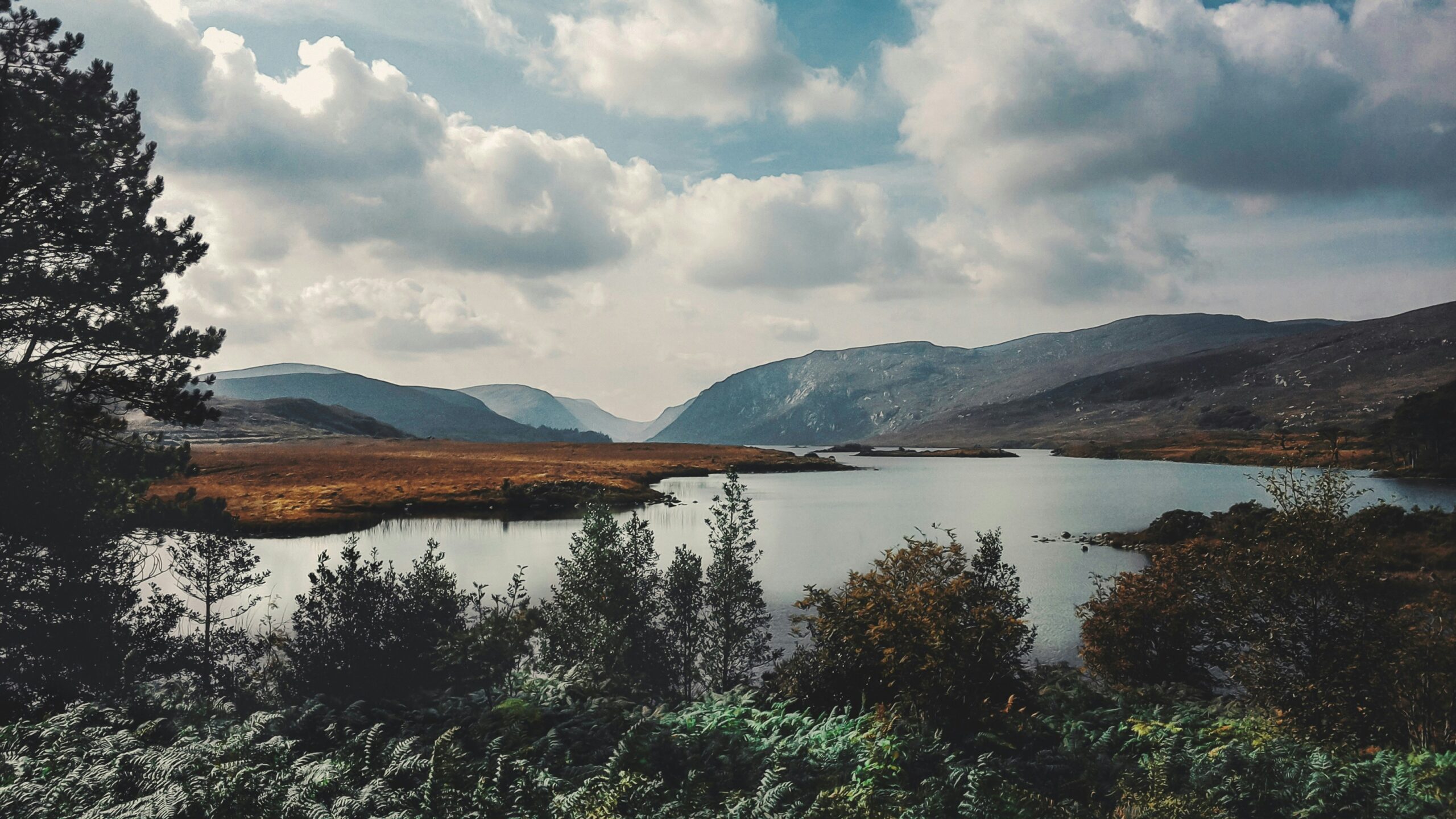
View of the landscape of County Donegal

Photo by K. Mitch Hodge on Unsplash


28. Glenveagh National Park: Wilderness and Beauty in County Donegal

Glenveagh National Park, located in the heart of the Derryveagh Mountains, offers a mix of rugged wilderness and serene beauty. The park’s Visitor Centre and Glenveagh Castle are both accessible, and the surrounding gardens have pathways that accommodate wheelchairs. The park’s accessible trails allow you to explore the stunning landscapes, including views of Lough Veagh.

Tip: Take the accessible shuttle bus from the Visitor Centre to the castle for a hassle-free experience.


29. Bunratty Castle and Folk Park: Step Back in Time in County Clare

Bunratty Castle and Folk Park offer a fascinating glimpse into Ireland’s past, with a 15th-century castle and a recreated 19th-century village. While the castle’s upper levels are not wheelchair accessible, the ground floor and the expansive folk park are. The park’s pathways are mostly smooth, allowing wheelchair users to explore the traditional cottages, shops, and the beautiful walled garden.

Tip: Attend one of the folk park’s events or medieval banquets, which offer accessible seating and a unique experience.


30. Dublinia: Viking and Medieval Dublin Experience

Dublinia, located in the heart of Dublin, is an interactive museum that brings to life the city’s Viking and medieval history. The museum is fully accessible, with ramps, elevators, and accessible exhibits. Visitors can explore the Viking Dublin exhibit, the medieval Dublin exhibit, and the history of Dublin’s archaeology. Dublinia is located next to Christ Church Cathedral, which is also wheelchair accessible on the ground floor.

Tip: Plan to spend some time exploring the surrounding historic area, including the accessible Dublin Castle.


31. The Rock of Cashel: A Historic Marvel in County Tipperary

The Rock of Cashel, also known as St. Patrick’s Rock, is a significant historic site featuring medieval buildings set on a limestone outcrop. While parts of the site are uneven, the Visitor Centre is wheelchair accessible, and there is a ramped pathway that allows access to several areas of the site. The views from the accessible areas are breathtaking, offering a glimpse into Ireland’s storied past.

Tip: Visit early to avoid crowds and enjoy the peaceful atmosphere.


32. The Burren Perfumery: A Sensory Experience in County Clare

The Burren Perfumery is a unique attraction located in the heart of the Burren. The perfumery, which creates natural fragrances inspired by the local flora, is fully accessible, with smooth paths throughout the site. Visitors can explore the herb garden, attend a perfume-making workshop, and enjoy organic teas and treats in the accessible tea room.

Tip: Take home a souvenir of handcrafted perfumes or skincare products made on-site.


33. Fota Wildlife Park: A Close Encounter with Wildlife in County Cork

Fota Wildlife Park offers a wheelchair-friendly experience with wide, smooth pathways that allow visitors to get close to a variety of animals, including giraffes, zebras, and cheetahs. The park is designed to provide an immersive experience, and many of the enclosures are open, allowing the animals to roam freely in large areas. The Visitor Centre and café are fully accessible.

Tip: Arrive early to see the animals at their most active.
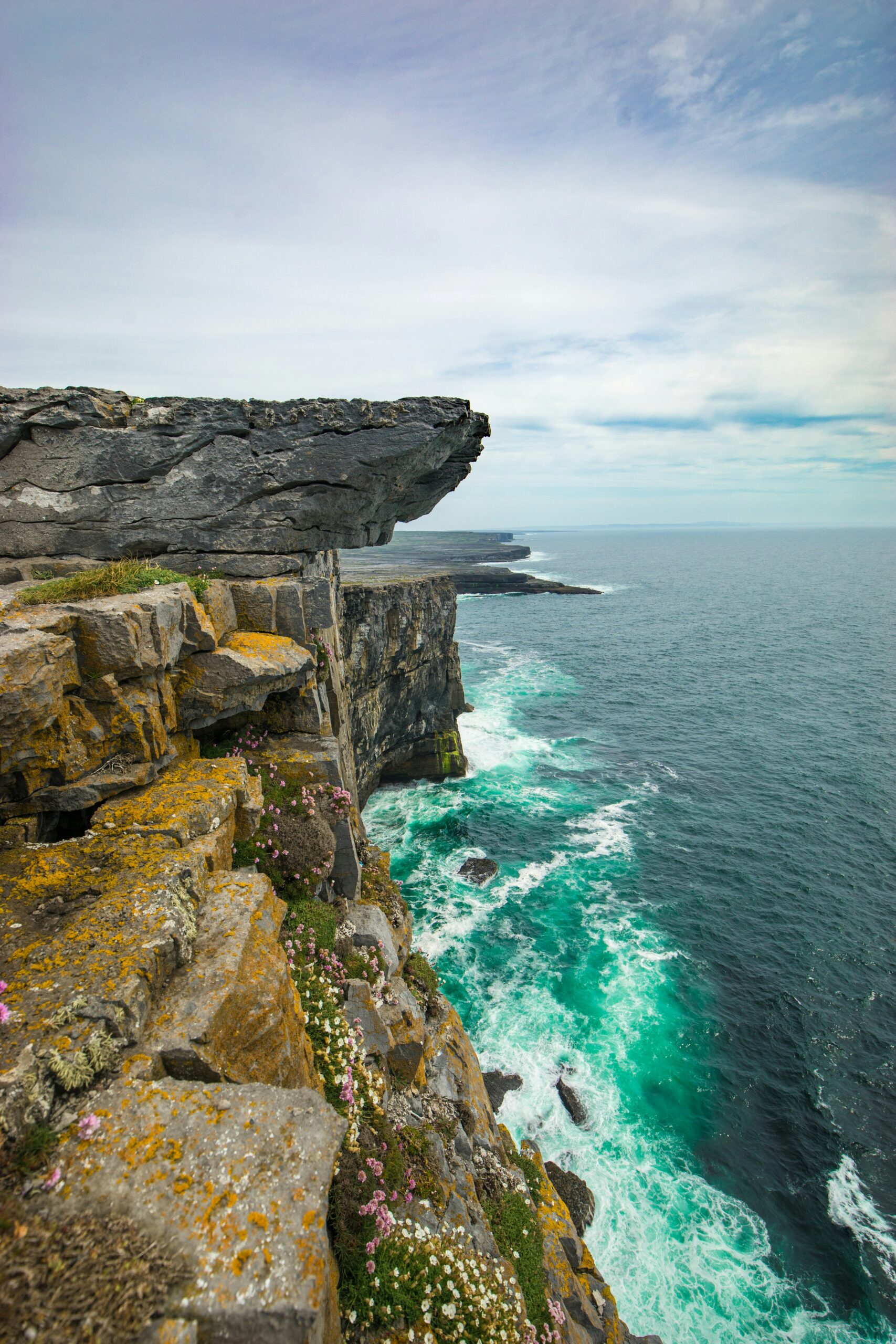
 

Cliffs overlooking the sea in I

Photo by Conor Luddy on Unsplash


34. Dún Aonghasa: Ancient Fort on the Aran Islands

Dún Aonghasa, located on Inis Mór, the largest of the Aran Islands, is one of the most important prehistoric sites in Ireland. While the fort itself is situated on a cliff and may present challenges for some, the nearby Visitor Centre is accessible, and there is a pathway leading part of the way to the fort that is suitable for wheelchair users. The views from the accessible parts of the site are still impressive.

Tip: Combine your visit with an accessible tour of the Aran Islands, which offer additional sights and experiences.


35. National Museum of Ireland – Archaeology: Discover Ireland’s Ancient Past

Located in Dublin, the National Museum of Ireland – Archaeology houses an extensive collection of artifacts from Ireland’s prehistoric and medieval periods. The museum is fully accessible, with ramps, elevators, and accessible restrooms. Highlights include the famous bog bodies, the Ardagh Chalice, and the Tara Brooch.

Tip: Take a guided tour to gain deeper insights into the exhibits and their historical context.


36. The Little Museum of Dublin: A Quirky Look at Dublin’s History

The Little Museum of Dublin offers a unique and engaging experience, with exhibits that tell the story of the city’s history through the eyes of its residents. The museum is housed in a Georgian townhouse, and while the upper floors are not accessible, the ground floor and the exhibitions there are. The museum also offers a wheelchair-accessible entrance.

Tip: Don’t miss the exhibit on U2, which is a favorite among visitors.


37. Mount Usher Gardens: A Horticultural Delight in County Wicklow

Mount Usher Gardens is a beautiful riverside garden laid out in the Robinsonian style, with over 5,000 plant species from around the world. The gardens are mostly accessible, with gravel paths that are manageable for wheelchair users. The gardens are divided into different sections, each with its own character and charm.

Tip: Enjoy a meal or a snack at the Avoca café, which is accessible and offers delicious local produce.


38. Cobh Heritage Centre: A Titanic Experience in County Cork

Cobh Heritage Centre is dedicated to the history of Cobh (formerly Queenstown) as a major port of emigration, particularly during the Famine era and the Titanic’s last port of call. The museum is fully accessible, with ramps, elevators, and wheelchair-friendly exhibits. Visitors can explore the stories of those who left Ireland for a new life in the New World.

Tip: Take time to explore the accessible waterfront area in Cobh, which offers beautiful views and historic monuments.


39. Kinsale: A Picturesque Seaside Town in County Cork

Kinsale is a charming coastal town known for its historic sites, colorful buildings, and vibrant food scene. The town center is relatively flat and accessible, with smooth pavements and accessible shops and restaurants. Don’t miss the accessible tour of Charles Fort, a well-preserved star-shaped fort offering stunning views over Kinsale Harbour.

Tip: Visit during the Kinsale Gourmet Festival for a taste of the town’s renowned culinary offerings.


40. Glasnevin Cemetery and Museum: A Journey Through Irish History

Glasnevin Cemetery in Dublin is the final resting place of many notable figures in Irish history, including Michael Collins, Eamon de Valera, and Daniel O’Connell. The cemetery and the museum are fully accessible, with smooth paths and ramps throughout. The museum offers guided tours that provide fascinating insights into Ireland’s past.

Tip: After the tour, enjoy a coffee at the on-site café, which is also accessible.
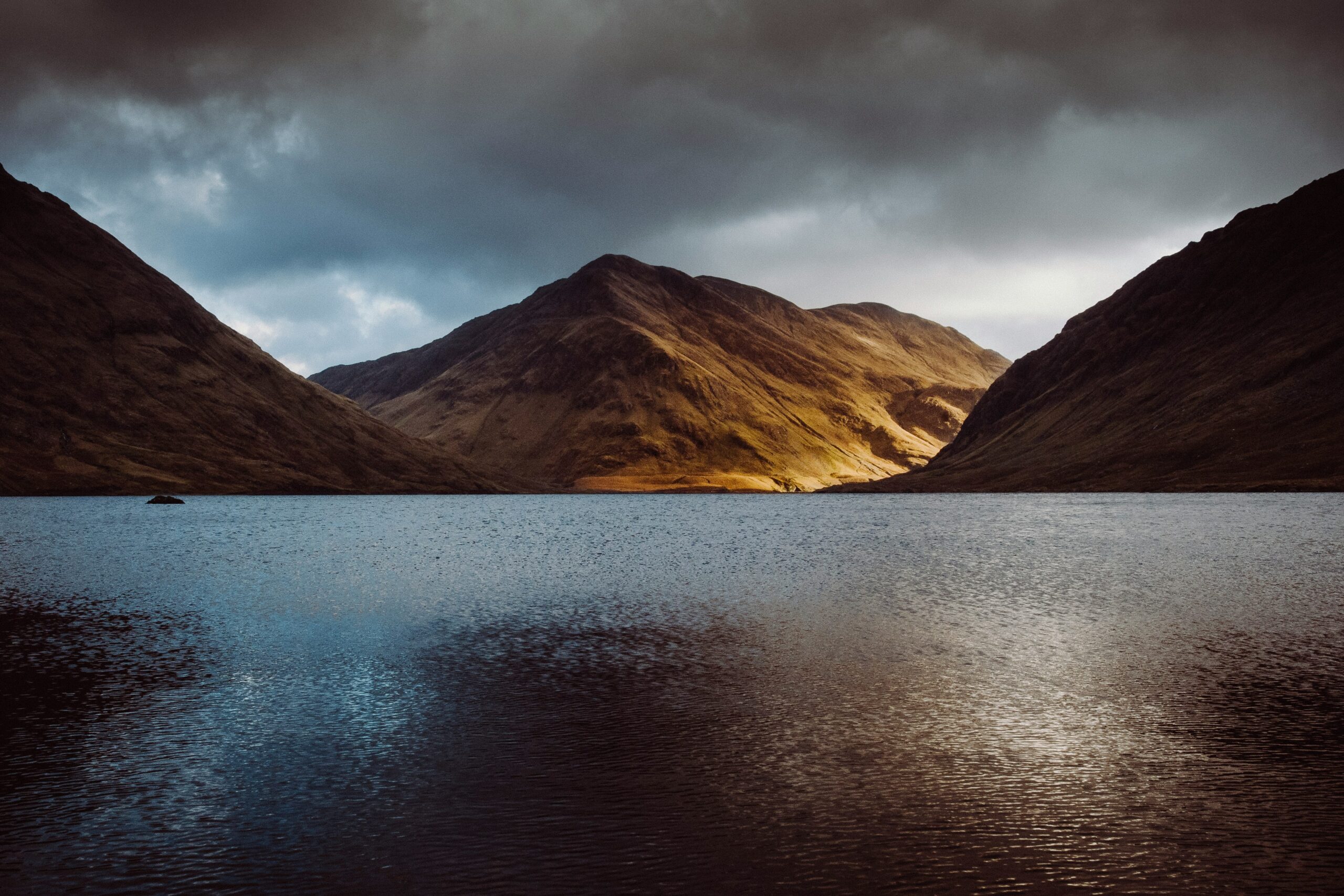
 

Connemara National Park

Photo by Markus Voetter on Unsplash


41. Connemara National Park: Explore Ireland’s Wild Beauty

Connemara National Park in County Galway is one of Ireland’s most rugged and beautiful natural areas. The park has an accessible Visitor Centre and a short wheelchair-friendly nature trail that offers views of the surrounding mountains and bogland. The Diamond Hill accessible loop is a highlight, offering stunning views without the steep climb.

Tip: Visit in the summer to see the park’s wildflowers in full bloom.


42. Kilmainham Gaol: A Historic Landmark in Dublin

Kilmainham Gaol is a former prison that played a significant role in Irish history, particularly during the struggle for independence. The gaol is partially accessible, with the ground floor and the main exhibition areas being wheelchair-friendly. The guided tour provides a moving account of the lives of the prisoners and the historical events associated with the gaol.

Tip: Book your tour in advance, as Kilmainham Gaol is a popular attraction with limited space.


43. King John’s Castle: Medieval History in Limerick

King John’s Castle in Limerick is one of the best-preserved Norman castles in Ireland. The castle offers an interactive visitor experience, with touchscreen displays, 3D models, and exhibits that bring the castle’s history to life. The Visitor Centre and many parts of the castle are wheelchair accessible, including the courtyard and the lower levels of the castle.

Tip: Enjoy the views of the River Shannon from the castle’s accessible areas.


44. The Phoenix Park Visitor Centre: Explore Europe’s Largest City Park

The Phoenix Park Visitor Centre in Dublin offers an accessible introduction to Phoenix Park, Europe’s largest city park. The Visitor Centre is fully accessible, with exhibits detailing the park’s history and wildlife. The park itself has a network of accessible paths, making it easy to explore the many attractions, including Áras an Uachtaráin, the Wellington Monument, and the Papal Cross.

Tip: Visit the nearby Farmleigh House, which is partially accessible and offers guided tours.


45. Giant’s Causeway and Causeway Coast: Explore the Natural Wonder

Although located in Northern Ireland, the Giant’s Causeway is a must-visit for anyone traveling in Ireland. The site is accessible, with a Visitor Centre that offers information on the geology and mythology of the area. The causeway itself has an accessible path leading to the famous basalt columns, and an accessible shuttle bus is available to take visitors from the Visitor Centre to the stones.

Tip: Wear sturdy shoes as the ground near the stones can be uneven.


46. The Ulster Folk Museum: Step Back in Time in County Down

The Ulster Folk Museum in Northern Ireland is an open-air museum that recreates rural life from the early 20th century. The museum is partially accessible, with accessible pathways leading through the outdoor exhibits and buildings. Visitors can explore traditional cottages, shops, and schools, and learn about the history of rural Ulster.

Tip: Combine your visit with a trip to the Ulster Transport Museum, which is fully accessible and located nearby.
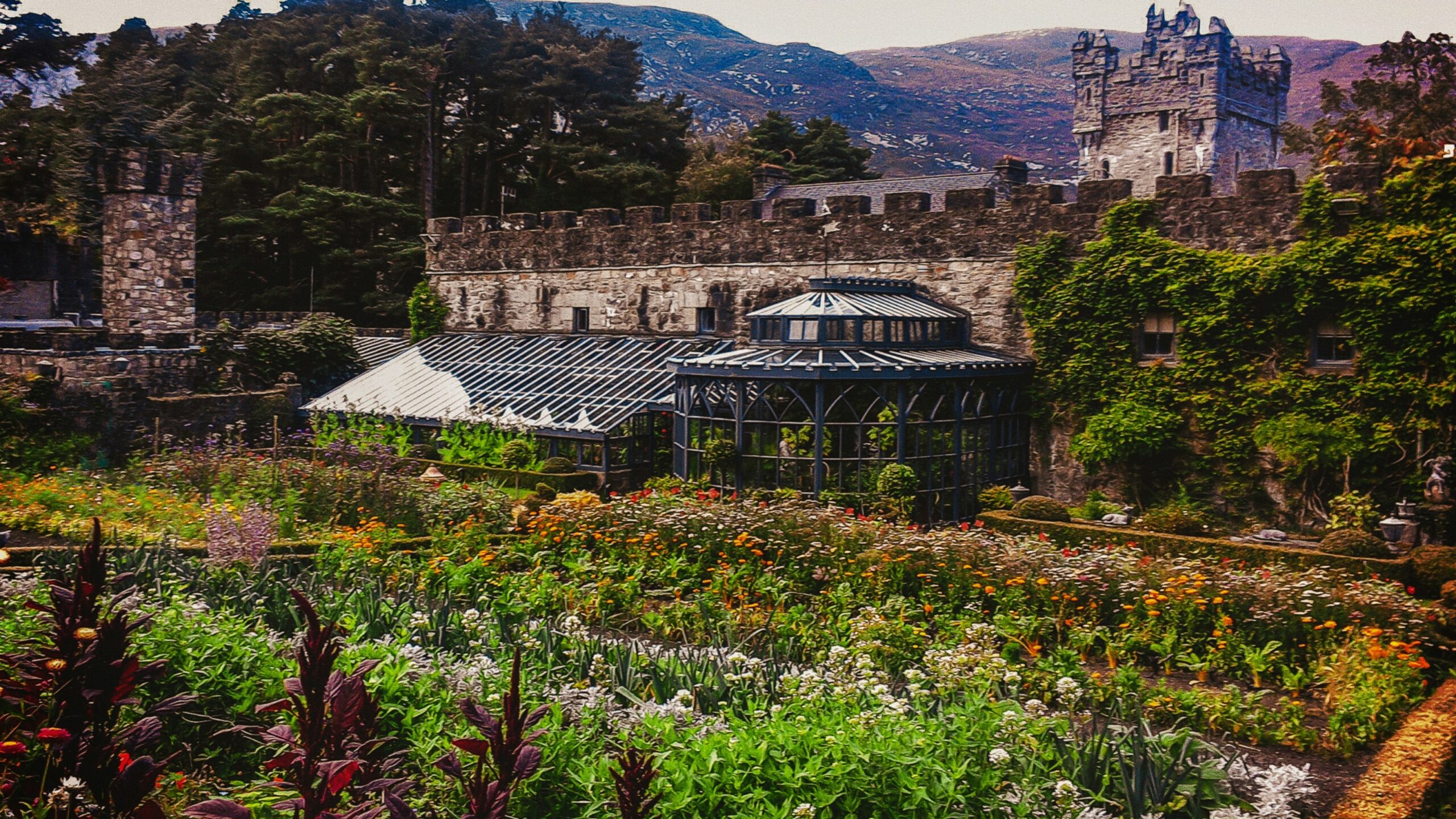
 

Donegal Castle gardens

Photo by K. Mitch Hodge on Unsplash


47. Donegal Castle: A Historic Stronghold in County Donegal

Donegal Castle, located in the heart of Donegal Town, is a beautifully restored 15th-century castle. While the upper floors of the castle are not accessible, the ground floor and courtyard are. The castle’s history is brought to life through informative displays and guided tours, offering insights into the lives of the O’Donnell clan, who built the castle.

Tip: Explore the nearby Donegal Bay, which offers accessible pathways and stunning views.


48. The Hunt Museum: Art and Antiquities in Limerick

The Hunt Museum in Limerick houses a diverse collection of art and antiquities, including works by Renoir, Picasso, and Yeats, as well as ancient artifacts. The museum is fully accessible, with ramps, elevators, and accessible restrooms. The museum also offers accessible guided tours, providing deeper insights into the collection.

Tip: Take a stroll along the accessible River Shannon Walkway after your visit to the museum.


49. Saint Patrick’s Cathedral: Ireland’s Largest Cathedral

Saint Patrick’s Cathedral in Dublin is a stunning example of Gothic architecture and one of Ireland’s most important religious sites. The cathedral is fully wheelchair accessible, with ramps and wide aisles that allow easy navigation. Visitors can explore the cathedral’s rich history, including the grave of Jonathan Swift, author of "Gulliver’s Travels," who served as Dean of the cathedral.

Tip: Attend an accessible choral service to experience the cathedral’s renowned choir.


50. The Waterford Greenway: A Scenic Cycling and Walking Trail

The Waterford Greenway is a 46-kilometer trail that follows a disused railway line from Waterford City to Dungarvan. The trail is mostly flat and fully accessible, with smooth paths suitable for wheelchairs and mobility scooters. The Greenway offers stunning views of the surrounding countryside, coast, and mountains, making it a perfect day out for nature lovers.

Tip: Rent an accessible bike or trike from one of the rental stations along the Greenway for a unique experience.
Ireland is filled with accessible attractions that cater to wheelchair users, ensuring that everyone can enjoy the rich culture, history, and natural beauty the country has to offer. Whether you’re looking to explore ancient sites, take in scenic landscapes, or immerse yourself in vibrant city life, there’s something for everyone.

Plan Your Accessible Adventure: Remember to check the specific accessibility features and any special requirements at each location before visiting. By planning ahead, you can ensure a smooth and enjoyable experience. Enjoy your wheelchair-friendly adventures across Ireland.

Fore more wheelchair-friendly days out inspiration, please read this older blog post, full of great accessible days out in Ireland.


nextprev

Leave a Reply

Your email address will not be published. Required fields are marked *