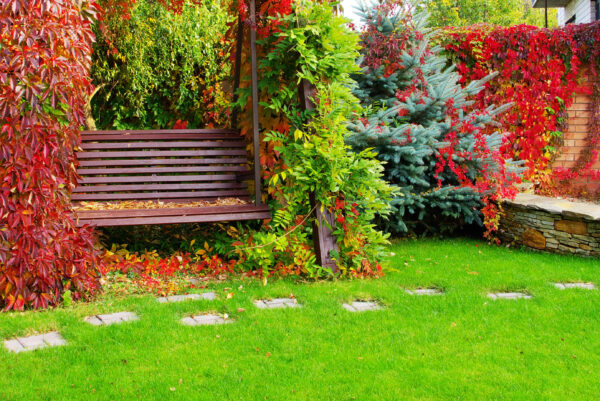
A backyard rarely falls apart overnight. Most problems start small, with a faded patch of grass, a loose paver, or a puddle that lingers a little longer than it should. In a warm, humid place like Tampa, where heavy rain and strong sun take turns through much of the year, those small issues can grow quickly. A minor concern this month can turn into a costly project next season if nobody pays attention to it.
The good news is that most outdoor problems give clear warning signs. Homeowners who learn to spot them early can protect their lawn, their plants, and their outdoor living space without major disruption. This guide covers the most common backyard issues, what causes them, and why acting early makes such a difference.
Uneven Watering and Struggling Lawns
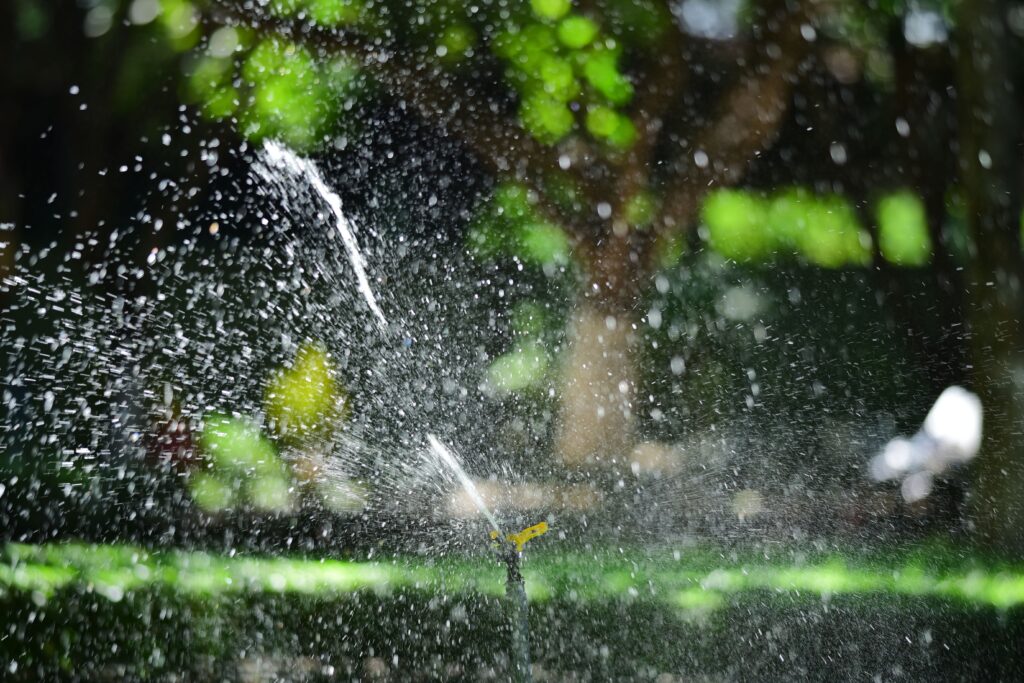
A healthy lawn depends on steady, even moisture, and many backyard problems begin when that balance slips. Homeowners often notice dry brown strips beside lush green areas, soggy corners, or water spraying onto the driveway instead of the grass, and these patterns usually point to leaking sprinklers, broken pipes, clogged heads, or nozzles that have been knocked out of place.
When the watering system stops working as it should, the most practical step is to have it inspected and fixed by people who understand how these systems behave in local conditions. Hire a company that provides sprinkler repair in Tampa to restore even coverage across the yard and stop water from going to waste. A system that works properly keeps the lawn strong, discourages weeds, and saves money on water over time.
Bare Patches That Keep Spreading
Bare spots in the grass are easy to ignore at first, but they rarely stay small. Heavy foot traffic, pet activity, shade from growing trees, and compacted soil all weaken the turf in specific areas. Once grass thins out, the bare ground dries quickly in the sun and turns muddy after storms.
Weeds take advantage of open soil. A patch that could have been reseeded or covered in spring may become a much larger problem by late summer. Loosening compacted soil, adjusting how people and pets move across the yard, and filling thin areas early all help the lawn recover before the damage spreads.
Standing Water After Rain
Puddles that remain for hours or days after a storm are a sign that water has nowhere to go. Low spots in the yard, heavy clay soil, and runoff from the roof can all send water toward the same area again and again. Over time, that constant moisture drowns grass roots and invites moss and fungus.
Standing water also creates a breeding ground for mosquitoes, which can make the backyard unpleasant during the warmer months. It can wash away mulch, loosen soil around fence posts, and even creep toward the home's foundation. Paying attention to where water collects after each storm helps homeowners understand the problem before it causes lasting harm.
Overgrown Trees and Shrubs
Trees and shrubs add shade, privacy, and beauty, but they need regular care to stay healthy. Branches that grow too long can rub against the roof, block gutters with leaves, or hang dangerously over walkways. Dense growth also blocks sunlight, which weakens the grass and plants underneath.
Storm season makes this more urgent. Weak or dead limbs can snap in strong winds and damage the home, the fence, or a parked car. Trimming branches on a regular schedule, removing dead wood, and keeping shrubs away from the house reduce these risks and help plants grow in a healthier shape.
Cracked Patios and Shifting Walkways
Hard surfaces in the backyard take a lot of punishment. Sun, rain, tree roots, and shifting soil can cause patios to crack and pavers to sink or lift. A single raised edge may seem harmless, but it can easily cause someone to trip.
Small cracks also let water seep underneath, which weakens the base and allows the damage to spread. Weeds often push up through gaps and widen them further. Resetting loose pavers, sealing small cracks, and clearing out weeds early keep walkways safe and help these surfaces last much longer.
Pest Activity Around the Yard
Insects and small animals are part of any outdoor space, but some signs call for closer attention. Raised trails in the soil, chewed plants, ant mounds near the patio, and swarms of mosquitoes in the evening all point to growing pest activity. Damp areas, piles of leaves, and overgrown corners often give these pests the shelter they need.
Keeping the yard tidy is one of the simplest ways to reduce the problem. Clearing debris, removing standing water, and trimming plants away from the house limit the places where pests can hide and breed. Addressing activity early also prevents insects from making their way indoors.
Poor Soil Health and Fading Garden Beds
Plants that struggle despite regular care often point to a problem below the surface. Soil can lose nutrients over time, become too compacted for roots to spread, or hold too much or too little moisture. Yellowing leaves, slow growth, and plants that wilt quickly in the heat are common signs.
Adding compost, refreshing mulch, and choosing plants that suit the local climate can bring garden beds back to life. Testing the soil every so often also shows homeowners what it lacks, so they can feed their plants properly instead of guessing.
Outdoor Lighting That Leaves Dark Spots
A backyard that feels dark after sunset is less safe and less enjoyable. Burned-out bulbs, fixtures hidden by growing plants, and loose connections can leave steps, paths, and entry points poorly lit. Dark areas raise the risk of falls and can make the home feel less secure at night.
Checking lights regularly, trimming plants away from fixtures, and replacing worn parts keep the space welcoming after dark. Good lighting also lets families enjoy their backyard well into the evening, which adds real value to the time they spend outdoors.