
Choosing the safest food for your baby is a top priority for any parent. With countless options lining supermarket shelves, it can be overwhelming to decide what's truly best for your little one.
It's crucial to recognise that not all products on the market are free from risks. For instance, a 2023 report by The Guardian revealed that nearly 40% of conventional baby food products tested in the US contained toxic pesticides.
Given these concerns, understanding the potential safety issues related to commonly used baby foods is essential for making well-informed choices. In this article, we will examine three popular baby food products and their associated safety concerns.
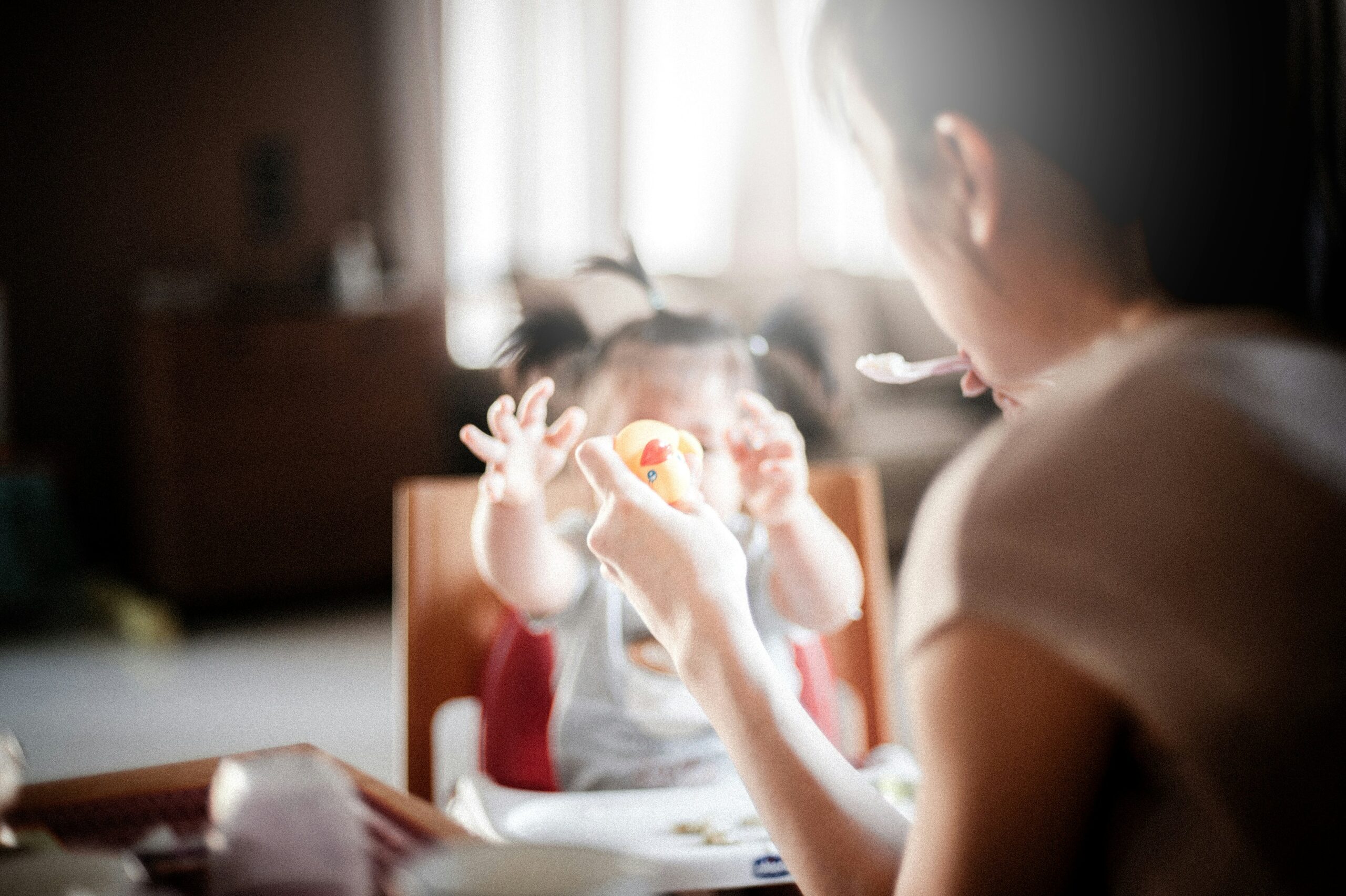
Photo by Tanaphong Toochinda on Unsplash
Baby Formula
Baby formula provides an essential alternative to breast milk, offering necessary nutrients for infants who are not breastfed. It is designed to mimic the nutritional profile of breast milk as closely as possible.
Safety Concerns
Baby formula has been subject to various safety concerns, including potential contamination with harmful substances. One significant issue has been the link between baby formula and necrotizing enterocolitis (NEC), a serious gastrointestinal condition.
Some studies have indicated that certain formulas may increase the risk of NEC, especially in premature infants. According to TorHoerman Law, this has resulted in lawsuits against formula manufacturers for allegedly failing to warn about the risks of their products.
Notable Legal Proceedings
Recently, Abbott Laboratories was ordered to pay $495 million in damages by a St. Louis jury. This decision came after a baby developed a serious illness linked to the company's premature infant formula. As reported by Drugwatch, the lawsuit was brought by Margo Gill from Illinois on behalf of her daughter, Robynn Davis.
The complaint alleged that Abbott’s formula was responsible for Robynn’s development of NEC, which resulted in severe and irreversible brain damage. The jury granted $95 million in compensatory damages and an additional $400 million in punitive damages.
This high-profile case is part of a broader trend, with numerous similar lawsuits pending. Many parents who believe their children have also suffered such issues are awaiting NEC lawsuit payout for the harm and suffering they have endured.
These legal battles are a wake-up call. They reveal serious problems with some baby formulas and emphasise the need for close industry oversight.
What is necrotizing enterocolitis (NEC)?
Necrotizing enterocolitis (NEC) is a severe digestive disorder that mainly impacts premature infants. It is characterized by inflammation and injury to the intestines, potentially resulting in tissue death and, in severe instances, life-threatening conditions.
Baby Cereal
Baby cereal is often one of the first solid foods introduced to infants due to its ease of preparation and digestibility. Typically, it’s fortified with iron, which is essential for a baby’s growth and development.
Safety Concerns
One major concern with baby cereal is its potential contamination with heavy metals like arsenic, lead, and cadmium. These metals can accumulate in rice and other grains used in cereals, posing health risks to infants who consume them regularly. The American Academy of Pediatrics (AAP) has highlighted these concerns, advising parents to vary the grains in their baby's diet to minimize risk.
What are the potential health effects of heavy metals on babies?
Exposure to heavy metals can lead to a range of health issues in babies, including developmental delays, cognitive impairments, and behavioral problems. Long-term exposure may also affect growth and increase the risk of chronic diseases.
Regulatory Oversight
The Food and Drug Administration imposes regulations on heavy metals in food products, but there are notable concerns about how effective these regulations are. The Office of the New York State Attorney General claims that the FDA has not adequately addressed the issue. This is despite the FDA recognizing years ago that infants and young children are especially vulnerable to toxic metals.
Currently, the FDA has set only one action level for inorganic arsenic in infant rice cereal. This narrow focus means that many baby food products are not thoroughly tested for toxic metals. As a result, manufacturers are left to decide whether or not to conduct these tests. This regulatory shortfall continues to raise concerns about the safety of baby foods.
Fruit Juice for Babies
Fruit juice is often introduced to babies as a way to provide variety and additional nutrients in their diet. It’s typically offered as a sweet treat or a supplement to their meals. Many parents believe it can be a healthy option for hydration and vitamin intake.
Safety Concerns
One significant concern with giving fruit juice to babies is its high sugar content. Even 100% fruit juice can be packed with natural sugars, which can contribute to early childhood obesity, tooth decay, and unhealthy dietary habits.
Another issue is the potential for gastrointestinal upset. Consuming large amounts of fruit juice can cause diarrhea and stomach cramps. This is due to its high sugar content and the presence of certain types of sugars and acids.
At what age can I start giving my baby fruit juice?
Due to concerns about childhood obesity and dental cavities, the American Academy of Pediatrics has specific guidelines for fruit juice consumption in young children. The AAP recommends that parents and guardians avoid giving fruit juice to babies under 1 year old altogether.
For children aged 1 to 3 years, the intake should be limited to no more than 4 ounces per day. Children aged 4 to 6 years should have a maximum of 6 ounces of fruit juice daily. These guidelines are designed to help mitigate the risk of excessive sugar intake and promote healthier dietary habits from an early age.
In the end, the world of baby food can be challenging for new parents. Although the convenience of pre-made meals is tempting, prioritizing your baby's health is essential. It’s important to thoroughly read labels, select high-quality products, and consult with your pediatrician to make the best choices for your child’s well-being.
Investing a bit of extra effort in understanding the safety and nutritional aspects of baby food is important. This effort can have a significant impact on your child’s health and development.


