
A small bottle of botanical oil has a long story behind it. Tamanu oil begins with fruit from a tropical tree, then passes through harvesting, drying, pressing, and storage before reaching a bathroom shelf. When a shopping page invites someone to buy tamanu nut oil here, it is worth looking beyond the tempting product photograph. Where were the nuts collected? How was the oil extracted? Who can explain the journey from harvest to bottle?
Natural ingredients vary. A supplier who can answer these questions clearly makes it easier to choose an oil for a considered skincare routine.
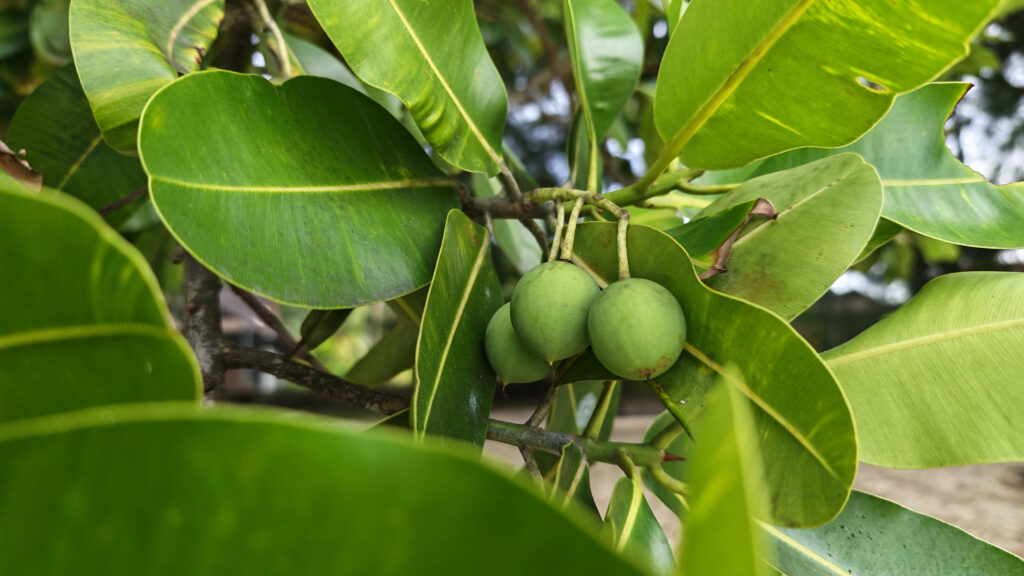
Meet the Tree Behind the Oil
Tamanu oil comes from the kernels of the fruit of Calophyllum inophyllum, a tree that grows in tropical coastal regions, including parts of the Pacific and Southeast Asia. The fruit contains a hard shell around the kernel from which the oil is obtained.
That detail matters when sellers describe products differently. A botanical name helps verify which plant is actually being sold, while a stated country or region of origin gives the buyer a starting point for asking about sourcing.
Geography cannot certify quality. Handling and documentation matter equally.
Harvesting Requires More Than Picking Fruit
The maturity of the fruit and the condition of the kernel can affect the material available for oil production. Producers may gather mature fallen fruit or use other collection methods.
Careful sorting is important. Damaged or poorly stored material can introduce problems before pressing even begins. Suppliers should explain how producers select and handle nuts, even when they do not manage harvesting.
An elaborate origin story is unnecessary. Specific, consistent answers about collection, sorting, and handling are more useful than vague promises of exceptional purity.
The Drying Stage Deserves Its Own Questions
Once the kernels are prepared, drying becomes a meaningful part of production. Moisture needs to be managed before extraction, and the appropriate process depends on the producer's methods and conditions. Rushing or poorly controlling this step may compromise the raw material.
A supplier with an established sourcing relationship can often explain whether the kernels are dried in a controlled facility or through another documented process. Temperature, cleanliness, and storage deserve attention.
For shoppers, the words "natural" and "traditional" say little about quality control on their own. A careful process should be describable, even when the techniques are simple.
Pressing Changes What Ends Up in the Bottle
Cold-pressed tamanu oil is popular among shoppers seeking minimally processed botanical ingredients. Yet "cold-pressed" can mean different things in marketing unless the supplier explains the extraction and processing steps.
Ask whether the oil is pressed, refined, blended, or filtered. Some processing choices affect appearance, aroma, and consistency. None of these characteristics should be treated as a stand-alone test of authenticity.
Unrefined tamanu oil can have a distinctive earthy, nutty scent and a color that varies between batches. A change in shade does not automatically indicate poor quality, just as a rich color does not prove that an oil is pure. Documentation is more informative than a photograph.
Traceability Turns Claims Into Useful Information
An appealing label might mention a distant island and a beautiful coastline. Buyers still need practical details: who produced the oil, where the raw material originated, and whether individual batches can be identified.
A batch or lot number is especially helpful if a customer has a question about freshness or notices an unexpected change. It lets the supplier trace a specific purchase rather than respond with a general product description.
Compare the product page, label, and customer support answers. A trusted seller may not disclose every business relationship, but should explain the origin and handling of the product in terms that a customer can understand.
Quality Testing Adds Another Layer of Confidence
Transparent suppliers may provide specifications or relevant batch testing, depending on the product and market. These records can help assess identity, basic composition, and indicators of oil condition. A certificate of analysis should identify the test date and batch.
Testing does not transform a cosmetic oil into a medicine, and no document can guarantee that every person's skin will tolerate it. Be cautious of sellers who claim the oil cures skin conditions or present testimonials as clinical proof.
Read the ingredient list and directions. Try a small patch test first, and stop using the product if irritation develops. Anyone with relevant allergies should seek appropriate professional advice.
Freshness Continues After Production
A carefully produced oil can still deteriorate if it spends months exposed to heat, air, and strong light. Packaging and storage deserve nearly as much attention as pressing methods.
Ask whether the bottle is well sealed, whether it offers protection from light, and whether the seller provides storage instructions and a sensible shelf-life or best-before indication. Reliable inventory handling helps reduce the chances of receiving stock that has spent too long in unsuitable conditions.
Close the cap and store the oil away from heat as directed. If its smell or texture changes markedly, contact the supplier before continuing to use it.
Responsible Sourcing Needs More Than a Slogan
Tamanu production connects customers to growers, collectors, processors, and their local environments. That creates opportunities to ask how a supplier manages harvesting practices, supplier relationships, and claims about sustainability.
Words such as "ethical" and "eco-friendly" can sound reassuring, but their value depends on specific evidence. Does the company describe how it sources raw materials? Can it identify meaningful environmental practices or explain how producers are compensated?
Not every supplier has formal certification. Clear explanations, accurate claims, and consistent practices still offer a reasonable basis for comparison. Supporting responsible sourcing begins with asking questions a seller can actually answer.
Choose the Bottle With a Clearer Story
A satisfying tamanu oil purchase starts with information that follows the ingredient from tree to shelf. Botanical identity, careful harvesting, controlled drying, clearly described extraction, batch traceability, and sensible storage all make the decision more informed.
Compare suppliers on those details alongside price and customer support. Give extra weight to explanations that can be checked, and treat dramatic skincare promises with caution. Natural oils have individual characteristics, and suitability depends on personal needs as well as product quality.
The process behind a bottle deserves attention. Choosing a seller who understands that process makes future purchases easier to evaluate, too.