There comes a point when a kitchen can start to feel a little tired, even when there is nothing particularly wrong with it. Maybe the cupboards are still solid, but you no longer like the colour, or perhaps the little details you barely noticed when you moved in are suddenly all you can see. A whole new kitchen is expensive and, in many homes, unnecessary. If the basic layout still works for you, changing a few of the things around it can be enough to make the space feel much more like somewhere you actually enjoy spending time.
Change what you notice most
You probably already know which part of your kitchen bothers you. It could be dark cupboard doors, an old splashback or a wall colour you chose years ago and wouldn't pick now.
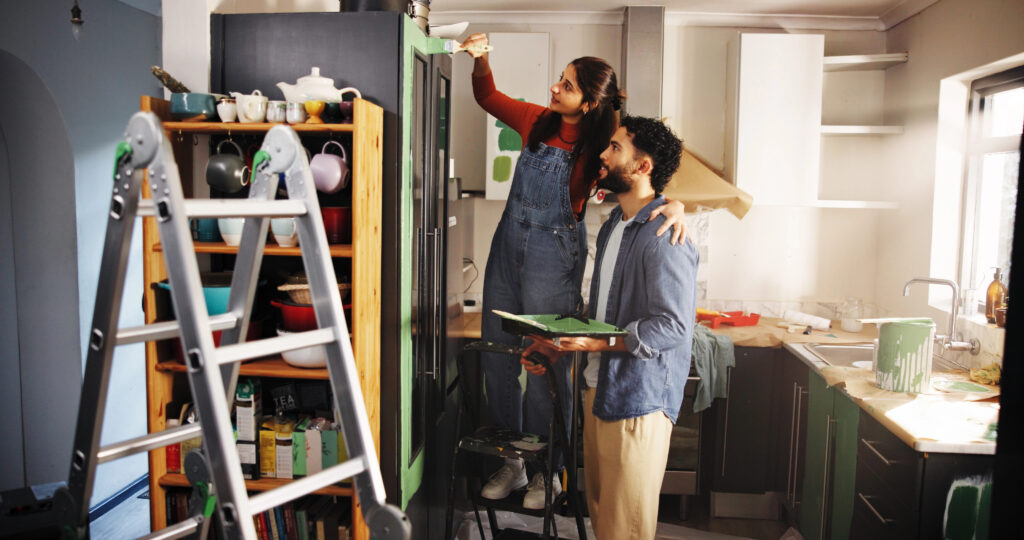
Start there rather than changing things simply because you think a kitchen makeover should include them. Cupboards that are still in good condition can be painted, while new handles give you another way to change their appearance without replacing the units.
Paint can make a bigger difference than you might expect too. You aren't limited to white or grey just because they are safe choices. Soft greens, warm neutrals and deeper colours can all work in a kitchen, depending on how much natural light you have and what is already in the room.
Update some of the smaller fittings
Once you start changing a room, older fittings often stand out more than they did before. This is where relatively small updates can make sense.
Replacing kitchen taps, for example, can change the look of the sink area without involving a major renovation. The finish can also become part of the wider look of the kitchen, whether you prefer traditional chrome, something darker or warmer brass tones.
You don't need every metal finish in the kitchen to match. In fact, a room can sometimes look more natural when everything hasn't been bought as one perfectly coordinated set.
Rethink what is out on display
Sometimes the room itself isn't the problem. It's everything that has gradually accumulated in it.
Most kitchens need things sitting out, especially in a family home. Hiding the toaster every morning probably isn't realistic, but the blender you use twice a year doesn't necessarily need permanent worktop space.
This is also an opportunity to make everyday things part of how the kitchen looks. Wooden chopping boards, cookbooks, plants or a fruit bowl can add some personality without becoming clutter. If you keep the things you use and like visible, the room still feels lived in without every surface becoming crowded.
Don't overlook lighting
Lighting can completely change how a kitchen feels in the evening. One bright ceiling light may be practical, but it can make the room feel quite stark once dinner is over.
Under-cabinet lighting is useful around worktops because it puts light where you prepare food. If you have an island or dining table, a pendant light can make that particular area feel separate from the working side of the kitchen.
You can also consider the warmth of the bulbs themselves when replacing them. A warmer light can make the kitchen feel more relaxed in the evening, particularly if the room doubles as somewhere you eat, talk or spend time as a family.
You don't have to rip out a perfectly usable kitchen simply because you've fallen out of love with how it looks. Changing the parts that genuinely bother you, rather than automatically starting again, can make the project cheaper and far less disruptive.