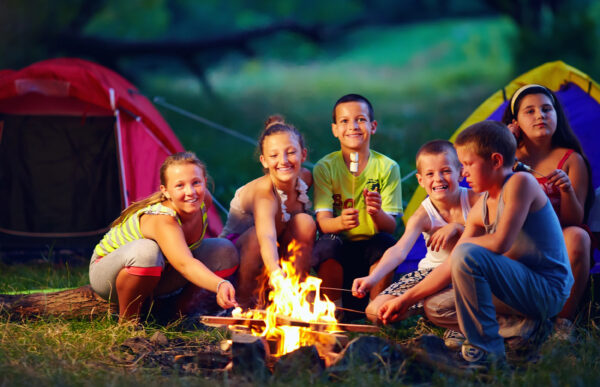
Screens are winning the daily battle. Common Sense Media found that American tweens average about 5.5 hours of entertainment screen time a day, while teens reach roughly 8.5. The World Health Organization, on the other hand, recommends at least 60 minutes of moderate to vigorous activity every day for children aged 5 to 17.
The good news? You don’t need a mountain to close that gap. A large study of nearly 20,000 people in England linked just 120 minutes a week in nature to better health and wellbeing. That works out to about 17 minutes a day. A park bench counts.

Start Small, Start Close to Home
The hardest part is getting started. You have to step away from your favorite PlayStation game or put down the FictionMe reading app—which is a challenge in itself. But you can start small. A backyard works. So does a street lined with old trees, or the muddy strip behind an apartment block. Kids don’t judge nature by its size; a single puddle can hold a six-year-old’s attention longer than any famous scenic viewpoint.
Pick a fixed slot, say Sunday after breakfast, and keep it short. Thirty minutes every single week beats a grand day trip that happens twice a year.
Turn a Walk Into a Mission
Few children ask for a walk. Almost all of them love a quest. Give the stroll a goal and the grumbling stops.
• Scavenger hunt: find three different leaves, a feather, something round, and something that smells good.
• Sound map: sit still for two minutes and draw every noise you hear.
• Color matching: bring paint-chip cards and match each shade to something real.
• Bug safari: one magnifying glass, one jar, and a strict rule to release everyone afterward.
Embrace the Mess
Mud, sand, water, and sticks are the original toys. Build a dam in a creek, dig for worms, or bake mud cakes on a flat rock. Pack a spare set of clothes and a towel in the car, then stop worrying about the laundry.
Messy play also trains balance, grip, and problem-solving. Nobody needs a flashcard for that.
Try a Night Walk
Darkness feels like an adventure when you carry a flashlight. Walk slowly around the block or a quiet park after dinner and listen for owls, crickets, or rustling in the bushes.
Turn the flashlight off for a minute. Eyes adjust faster than you’d think, and the stars suddenly look closer.
Let Nature Do the Talking
Parents often feel the urge to teach on every outing: name that tree, explain that bird. Try holding back. John Muir, the naturalist behind the push for Yosemite National Park, said it well:
“In every walk with nature one receives far more than he seeks.”
Let silence stretch. Questions will come on their own, and they will be better ones than yours.
Grow Something Together
A pot of beans on a windowsill counts as a nature activity. So does a herb box on the balcony. Children love watching roots and shoots appear, and they are often more willing to eat vegetables they planted themselves.
Water it daily, measure it weekly, and photograph the progress. Slow results teach patience better than any lecture.
Ideas for Every Season
Cold weather is no excuse, because each season brings its own toys.
• Autumn: leaf rubbings, acorn collecting, and one gigantic pile for jumping.
• Winter: hang a bird feeder, then track the visitors. Fresh snow also shows animal footprints.
• Spring: look for tadpoles, or plant seeds in a jar.
• Summer: wade in a creek, then stay out late for stargazing.
Invite Grandparents and Friends
There are many enjoyable activities to do alone. Reading on iOS devices is a good example, but socializing is also important. Days spent in nature become all the richer with company. Grandparents often know a few old tricks: how to whistle using a blade of grass, where to find the best chestnut trees, or which clouds signal rain.
Add a few classmates and the outing becomes a small party. Children push each other to climb higher, run faster, and look closer.
Why Even Twenty Minutes Counts
A 2019 study in Frontiers in Psychology found that 20 to 30 minutes in a natural setting was enough to lower cortisol, the body’s main stress hormone.
Kids carry stress too: homework, friendship drama, noisy classrooms. A short stop at the park after school can work like a reset button.
Use Technology as a Tool, Not an Enemy
Banning phones outdoors often backfires. Let older kids use free apps like iNaturalist or Seek to identify plants and insects, or hand them a camera for a nature journal. Noticing details is half the fun.
Set one simple rule: the screen comes out for a purpose, then goes back in the pocket.
Keep It Safe Without Killing the Fun
A few habits go a long way:
• Dress in layers and wear closed shoes.
• Bring water, sunscreen, and a small first-aid kit.
• Tell someone where you are going and when you’ll be back.
• Check for ticks after walks through tall grass.
• Teach one firm rule: nothing wild goes into the mouth without an adult’s approval.
Make It a Family Habit
Put outings in the calendar like any other appointment. Fill a jar with paper slips, each naming an idea, and draw one at random every weekend. Let children keep a nature journal with pressed leaves, sketches, and dates.
Small, repeated moments build a bond with the outdoors that often lasts into adulthood. Start this weekend, even if it is only ten minutes and a puddle.