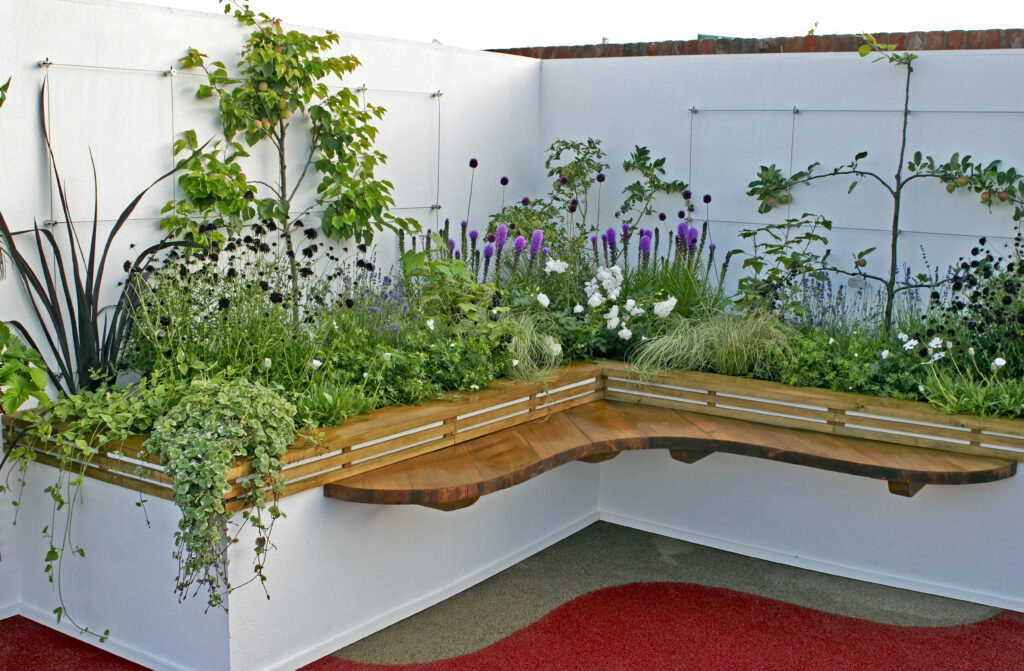
Raised-bed gardening makes it easier to manage soil quality, organize plants, and keep weeds under control. Watering, however, can still become a daily chore, especially when several beds are spread across the yard.
Carrying a hose from one bed to another might work for a small garden, but it's not always practical as the growing season progresses. Some plants end up receiving too much water, others dry out between watering sessions, and a surprising amount of water can be lost on pathways or surrounding surfaces.
A thoughtfully planned irrigation system can make a noticeable difference. With the right tubing, connections, and watering controls, homeowners can spend less time managing hoses and more time enjoying their gardens.
Why Drip Irrigation Works Well for Raised Beds
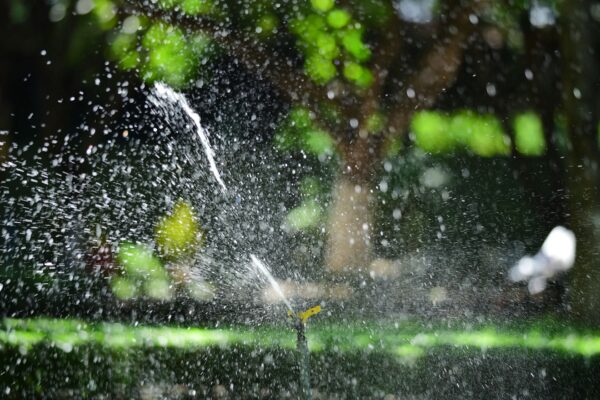
Traditional sprinklers distribute water over a relatively large area, which isn't always ideal for raised beds. Much of that spray may land outside the planting area, particularly on windy days.
Drip irrigation takes a different approach. Instead of spraying water into the air, it delivers small amounts directly to the soil through tubing fitted with emitters.
This allows moisture to reach the plant roots gradually while reducing unnecessary water on walkways, bed frames, and surrounding landscaping.
For a typical raised vegetable bed, drip tubing can be arranged in parallel rows across the soil surface. The spacing depends on the bed's width, soil type, and what is being grown.
A bed planted with leafy greens, for example, may benefit from closer drip-line spacing than one containing widely spaced tomato plants.
Drip irrigation also keeps much of the foliage dry, which can help reduce conditions that encourage certain plant diseases. It won't eliminate every watering concern, but it offers more control than a conventional overhead sprinkler.
Start With a Reliable Water Connection
Before laying out irrigation tubing, it's worth looking at where the water will come from.
Many backyard systems connect directly to an outdoor hose bibb. For a garden with multiple raised beds, a main supply line can carry water from the faucet to a series of smaller distribution lines.
This arrangement avoids having separate garden hoses running to every bed.
The connections between the faucet, main tubing, and individual drip lines are particularly important. Poorly fitted adapters or incompatible tubing sizes can lead to leaks, disconnected lines, and inconsistent watering.
Homeowners planning a custom setup can explore plumbing connectors, fittings, and shut-off valves from PlumbingSell when organizing their water supply connections. Any components used should be compatible with the tubing material, connection sizes, and intended operating pressure.
An irrigation system connected to a household drinking water supply also needs appropriate backflow protection. This prevents potentially contaminated irrigation water from being drawn back into the home's potable water system. Local plumbing requirements should guide the selection and installation of these devices.
Don't Overlook Water Pressure
One of the more common mistakes in DIY garden irrigation is connecting drip tubing directly to a pressurized outdoor faucet without considering pressure requirements.
Household water pressure is often higher than what low-pressure drip irrigation components are designed to handle.
Excessive pressure can cause connections to separate, damage lightweight drip tape, or interfere with the intended flow through emitters.
A pressure regulator helps maintain a suitable operating pressure for the irrigation system. The correct setting depends on the specific tubing and emitters being used, so following the manufacturer's specifications is important.
Filtration matters, too. Because drip emitters have small openings, dirt, sediment, and other particles can gradually clog them.
A properly selected filter installed near the water source helps protect the tubing and emitters. It should also be accessible for occasional cleaning.
These relatively small components can prevent a great deal of frustration later, particularly in gardens with long tubing runs or multiple beds.
Give Different Plants Their Own Watering Zones
Not every raised bed needs the same amount of water.
A bed filled with lettuce and spinach may have different moisture requirements from one growing established peppers or tomatoes. Sun exposure, soil composition, and plant maturity also influence how quickly a bed dries out.
Connecting every bed to a single irrigation line without any individual control can make it difficult to accommodate those differences.
A more flexible approach is to divide the garden into separate watering zones.
For example, beds containing similar crops can share a zone, while beds with different watering needs can operate independently.
A distribution manifold with individual valves allows water to be directed to selected areas without disconnecting hoses or rearranging tubing.
For larger gardens, separate irrigation circuits can also help manage total water demand when the available supply cannot support every drip line at once.
The goal isn't to make a backyard system unnecessarily complicated. It's to give homeowners enough control to water plants according to their needs.
Small Shut-Off Valves Make Maintenance Easier
Shut-off valves are particularly useful in gardens where planting arrangements change throughout the year.
A raised bed might contain vegetables in spring, remain empty during part of summer, and be replanted with cool-season crops later.
Without individual controls, water may continue flowing through irrigation lines serving beds that no longer need it.
Installing a small compatible valve at each bed or branch connection makes it possible to stop water flow to an unused section.
It also simplifies maintenance. If a drip line develops a leak or needs to be replaced, that section can be isolated while the rest of the system remains available.
For frequently rearranged gardens, removable connectors and accessible valves make seasonal adjustments much more convenient.
Reduce Water Waste With Better Placement and Timing
Even an efficient drip irrigation system can waste water if it's poorly arranged or operated longer than necessary.
Start by placing drip lines where they can actually reach plant roots. Tubing installed too far from the planting rows may leave parts of the root zone dry, while closely packed lines can deliver more water than needed.
Adding mulch over the soil can help reduce surface evaporation and maintain more consistent moisture between watering sessions.
A simple hose-end irrigation timer is another useful option. Rather than remembering to turn the faucet off manually, homeowners can schedule watering sessions around their garden's needs.
However, automatic watering shouldn't mean using the same schedule all season.
A newly planted bed may require different watering intervals from an established one. Rainfall, temperatures, and soil conditions also change how much irrigation is necessary.
Occasionally checking soil moisture a few inches below the surface provides a better indication of watering needs than judging by appearance alone.
It's also worth watching the system while it's running. Leaking connections, clogged emitters, and damaged tubing can easily go unnoticed when watering is automated.
Build a System That's Easy to Adjust
Raised-bed gardens rarely stay exactly the same from one season to the next. Plants rotate, new beds are added, and watering requirements change.
That's why flexibility should be part of the original irrigation plan.
Leaving accessible connections, using compatible tubing sizes, and arranging valves where they're easy to reach can make future adjustments far less frustrating.
Before winter, gardeners in freezing climates should also follow the manufacturer's instructions for draining and protecting irrigation components from freeze damage.
A well-planned raised-bed irrigation system doesn't need to be elaborate or expensive. Reliable hose connections, appropriate pressure control, separate watering zones, and properly positioned drip lines can make a substantial difference.
With those basics in place, watering becomes a more manageable part of garden maintenance rather than another daily task competing for time.