
Greater Manchester has one of the biggest gig workforces in the country. There are Deliveroo and Uber Eats riders weaving through the Northern Quarter, Amazon Flex drivers loading up at the depot, and Uber and Bolt drivers working the airport corridor at all hours.
For most of them, the car earns the money. It's the tool the whole job depends on, so a reliable vehicle that ticks every box matters more than almost anything else. Here's why so many end up financing one instead of buying outright
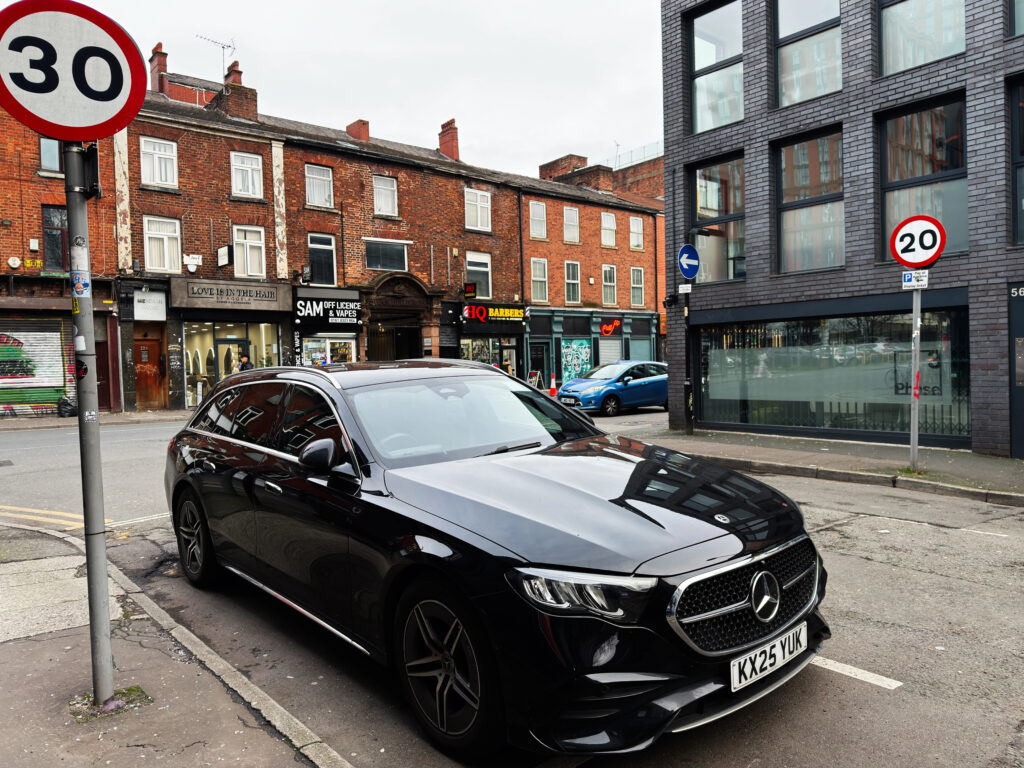
Strict Vehicle Rules on Manchester's Roads
You can't just sign up with any old car. Each platform sets its own standards, and the council adds another layer on top. To carry passengers for Uber or Bolt, you need a vehicle licensed by a Greater Manchester council. Manchester City Council will only license a four-door saloon, five-door hatchback, estate or minibus that's right-hand drive, has no more than eight passenger seats and meets current emissions rules. There's an age cap on top of that, so older cars get turned away.
The apps go further. Uber's own rules in Manchester require four doors and room for at least four passengers, with stricter age limits on premium tiers like Exec and Lux, where the car has to be five years old or newer. That knocks a lot of budget motors out straight away. Amazon Flex is different again. It doesn't need a private hire licence because you're carrying parcels, not passengers, but it does want a mid-size car or bigger with at least five seats so the parcels stay dry and secure.
Because a newer car that clears all these checks costs thousands upfront, plenty of drivers look at car financing in Manchester to spread the cost. It lets you get a compliant vehicle without draining your savings, while keeping the monthly outgoings low enough that each shift still leaves something in your pocket. The trick is picking a model that meets the rules and stays cheap to run.
Why Business Insurance Isn't Optional
Standard social and domestic cover is useless the moment you start earning. Carrying passengers means you need private hire taxi insurance. Delivering parcels or food needs hire and reward cover with goods included. Get caught working on the wrong policy and you're looking at a £300 fine, six penalty points and possibly your car being seized. Worse, a claim can be thrown out after an accident, which could wipe you out completely.
Then there's wear. A car doing thousands of miles a month drops in value far quicker than the family runabout next door. That hits your trade-in price and the equity you're building in any finance deal. It's worth building this into your monthly budget from the start, instead of only looking at the headline finance payment.
How to Work Out Your Real Earnings
A big weekly payout looks great until you take the costs off it. The only figure that matters is what's left once the car has been paid for. Before you commit to any agreement, add up what the vehicle actually costs you:
• Monthly finance payment and insurance premium
• Fuel or charging, based on your daily mileage
• Servicing, tyres and brakes, which wear out quickly with heavy use
• Council licensing fees and any airport pick-up charges
• Add some buffer for any unexpected expenses at the end
Take those off your gross earnings and you'll see your true hourly rate. A hybrid or electric car can help here, since the drivers doing long runs down the M60 or out to Stockport and Oldham notice fuel costs more than anyone.
Make the Sums Work Before You Sign
A financed car gives you the reliability the work demands, but it only pays off if you treat it like a business decision. Know the platform rules, price the insurance properly and account for the miles before you sign anything.
Drivers who do that turn finance into a tool that earns them a steady income. The ones who chase the gross payout and ignore the running costs tend to find the car ends up owning them, not the other way round.