Are you hoping to breathe new life into your home and create a sanctuary that both soothes and energises? Or perhaps you simply want to make your space feel a little more balanced and effortless to live in. A harmonious, aesthetically pleasing environment can have a remarkable impact on your mood, productivity, and overall well-being. With just a few thoughtful changes, you can transform your home into a calm, inviting haven that nurtures both body and mind.
Incorporate Art and Personal Items
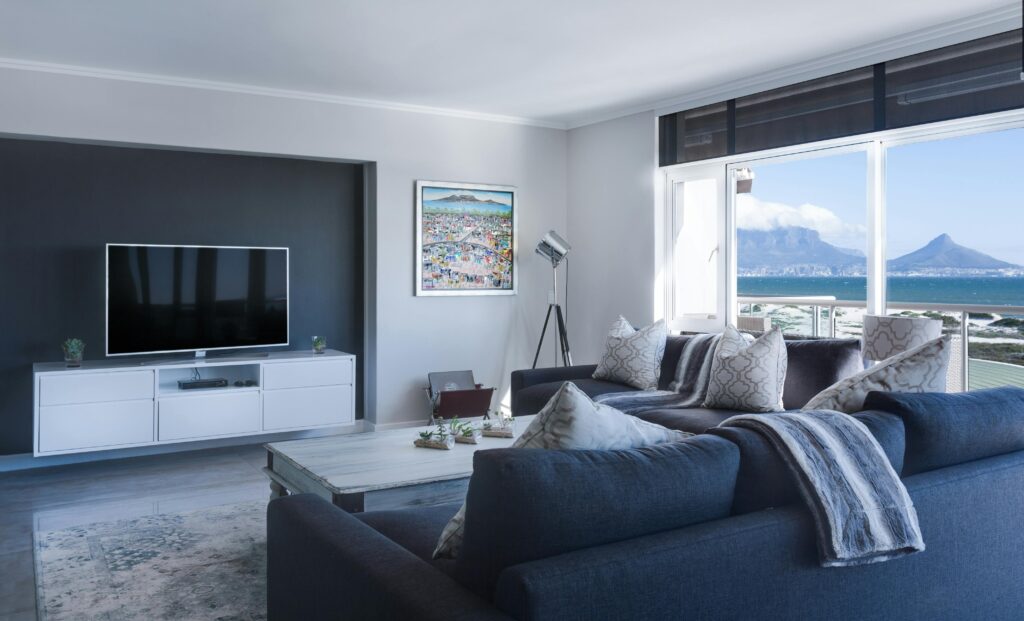
Personal items and artwork are great ways to express your tastes and personality and to connect with others. They’re also an effective tool for bringing a sense of harmony and flow to your space. For example, different shaped canvas prints strategically placed around the room can create balance while serving as enticing visual anchors. This is especially true when the art reflects the chosen colour scheme, adding depth and texture without disrupting the aesthetic flow. So, before you start moving furniture and painting walls, gather (or order) the art, photographs, and personal items that mean the most to you and that you definitely want to incorporate.
Begin by Thinking About What 'Harmony and Flow' Means to You
Once you’ve picked out the most meaningful pieces, take a moment to think about what a harmonious, flowing space means for you. Harmony in interior design is about creating a sense of balance and consistency, whilst flow refers to how well the various elements of a room (or series of rooms) work together. Satisfying design has a certain rhythm, gently guiding the eye from one focal point to another in a way that feels natural and pleasing.
Choosing Your Colour Palette
Your chosen colour scheme plays a vital role in achieving harmony and flow. Opt for a unified palette of complementary shades, which will naturally pull your space together and create a calming, cohesive appearance. This isn't to say you can't mix things up. Complementary tones include hues that are opposites on the spectrum, providing ample room for creativity. If you're a beginner, consider sticking with neutrals and adding pops of colour sparingly.
Creating Balance and Symmetry
Balance doesn’t necessarily mean duplication. Your living space shouldn't resemble a sterile, mirrored showroom; it should provide a sense of balance. Consider your furniture placement: Is there an even distribution of visual weight? Maybe there's a dark, heavy bookshelf on one side of the room that could be offset by a similarly robust piece on the other side. Light, airy pieces can create a sense of airiness and harmony, too, especially when paired with earthy, heavier elements.
Favour Functionality and Comfort
Remember, a visually pleasing home isn't worth much if it isn’t comfortable and functional. Your living space is meant to be lived in, so prioritise functionality in your design decisions. Incorporate pieces that offer ample seating or storage, and utilise lighting to create ambience in practical areas, such as reading nooks or workspaces. A harmonious home serves both its aesthetic and practical purposes seamlessly.
Mindful Use of Textures and Patterns
The use of texture and patterns contributes significantly to the energy and vibe of your space. Smooth, shiny textures reflect light and add a touch of sophistication, while rough textures absorb light and provide warmth. On the other hand, patterns can add a layer of interest to your design, but should be used sparingly to maintain harmony.
Feng Shui Principles
Lastly, try incorporating some Feng Shui principles in your decorating efforts. The ancient Chinese practice aims to harmonise individuals with their surroundings. This might mean getting rid of clutter, which, according to Feng Shui, hinders the flow of positive energy, or purposefully placing furniture and décor to create a balance of ‘yin’ and ‘yang’.
Overall, achieving flow and harmony in your living space involves a careful balance of artful design and thoughtful functionality. Remember, it’s your space and it should reflect your unique style and needs. With the right tools and inspiration, you can transform your living area into a space that resonates with your heart and soothes your soul.