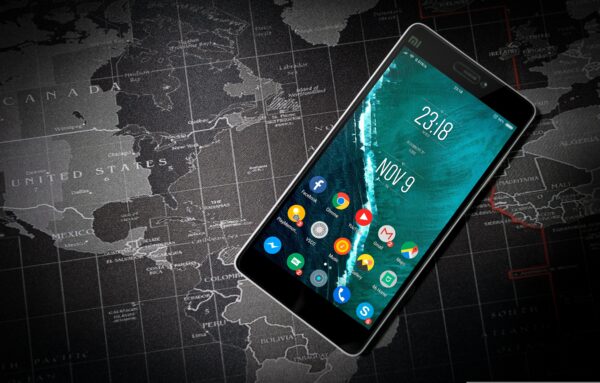
Stress has quietly become one of the biggest side effects of modern living. From the rush of deadlines and social media noise to the daily struggle of managing time, we’re constantly surrounded by mental clutter. But unlike previous generations, we now have a powerful ally: innovation. Technology isn’t just about making life faster anymore; it’s about making it easier, calmer, and more balanced. The modern world is learning that progress isn’t measured by how much we do, but by how smoothly we do it.
1. Smart Devices That Simplify Everyday Tasks
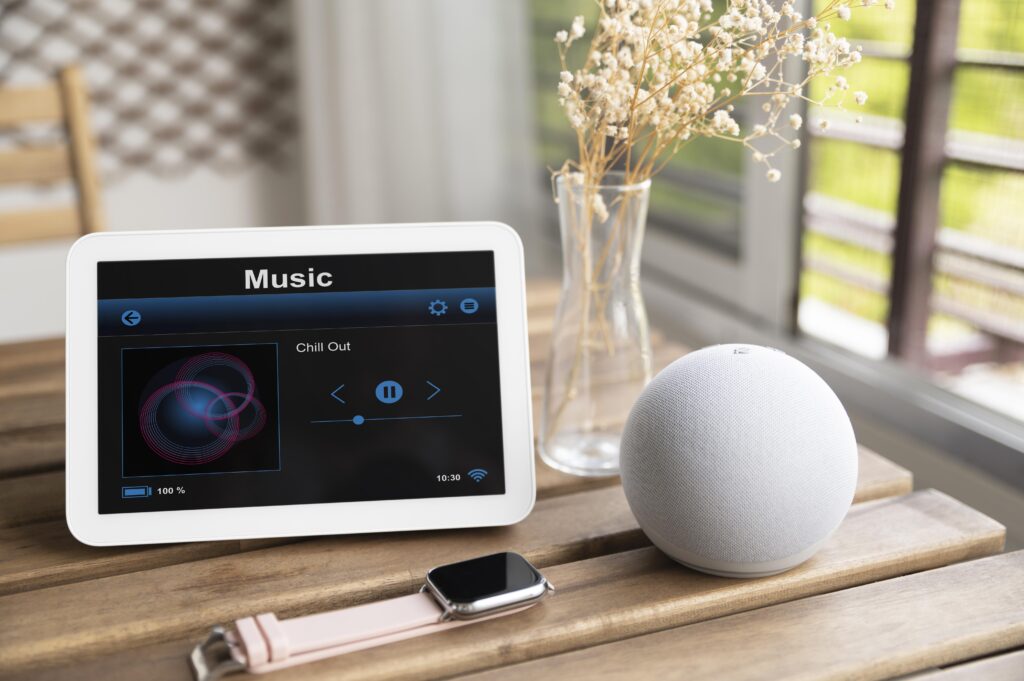
Small, repetitive chores can build up stress over time. Fortunately, smart devices are now handling the tasks that once drained our energy. Smart plugs turn off appliances automatically, robotic vacuums keep homes spotless, and AI assistants remember schedules better than we do. These innovations don’t just save time, they reduce mental load. By automating what used to demand attention, people gain more space in their minds to relax, think creatively, and enjoy the moment.
Smart living isn’t about owning the latest gadgets; it’s about reclaiming your peace of mind. The less you have to worry about trivial details, the more control you regain over your day.
2. Digital Tools That Encourage Mindfulness
Our smartphones, once the biggest stress triggers, are now becoming tools for peace. A wave of wellness and productivity apps has transformed how people manage focus. Apps that block distractions, track habits, and guide breathing exercises help users stay present in a world of constant alerts. Instead of letting technology dominate, these innovations put users back in charge of their mental space.
Even something as simple as a “focus timer” or digital gratitude journal can help lower anxiety and boost self-awareness. With just a few taps, your device can become a bridge to mindfulness instead of a source of chaos.
3. Tech-Driven Relaxation and Sensory Innovation
One of the most exciting shifts in wellness is the way technology is being used to support calmness. Portable diffusers, sound therapy gadgets, and light-based mood devices are creating pockets of peace anywhere you go. Many of these modern relaxation tools are inspired by clean design and sensory balance — promoting relaxation through sight, touch, and controlled breathing.
For example, some users find comfort in Premium vape devices, which combine smooth airflow and sensory feedback to create a calming experience without nicotine. This innovative use of vape technology shows how design once meant for recreation can evolve into tools that support mindfulness and stress relief. It’s a reminder that even small, portable innovations can bring big moments of calm into everyday life.
4. Smart Homes That Build Balance
Our homes are now capable of more than we ever imagined. Smart thermostats adjust temperatures based on mood or time of day, lighting systems mimic natural daylight patterns, and connected kitchens simplify meal prep. Each improvement removes a layer of stress from daily life.
Imagine coming home after a long day and your living space already feels comfortable, smells fresh, and plays the right music. That’s innovation working silently in the background — making sure your home supports your mental health without you even realizing it. The goal is simple: less effort, more serenity.
5. Travel and Lifestyle Innovations That Make Life Smoother
Travel can be stressful, from airport lines to tight schedules. But innovation is gradually removing these friction points. Smart luggage that tracks itself, digital boarding passes, and AI-based travel assistants simplify planning and movement. Even gadgets like portable chargers, noise-canceling headphones, and compact massagers help people manage stress while on the go.
Lifestyle innovation is also about adaptability, creating tools that fit seamlessly into our routines, wherever we are. The easier technology makes our lives, the more energy we have to enjoy the experiences that truly matter.
6. The Future of Stress-Free Living
Innovation isn’t slowing down, it’s getting more human. The future lies in technology that understands emotions, predicts needs, and personalizes experiences for comfort and calm. Imagine smart systems that adjust light when you feel anxious or devices that sense when it’s time to take a break.
Even in the wellness sector, ideas inspired by advanced vape engineering such as Crystal’s 30000 puffs vape, are being reimagined as soothing sensory tools rather than smoking alternatives. These designs focus on smooth breathing, subtle aromatherapy, and user comfort. They represent how innovation can evolve from indulgence to well-being — from fast living to mindful living.
Conclusion
Innovation is no longer just about new technology; it’s about simplifying the way we live and think. From smart homes and wellness apps to travel gadgets and relaxation devices, every invention points toward a calmer, more conscious future. The true power of innovation lies in its ability to make complexity invisible — allowing people to focus on what really matters: peace, presence, and purpose.
FAQs
1. How does innovation help reduce daily stress?
By automating tasks, improving organization, and offering personalized relaxation solutions that simplify everyday routines.
2. Are mindfulness apps really effective?
Yes, consistent use of mindfulness and focus apps has been proven to lower stress levels and improve mental clarity.
3. What are some examples of stress-reducing gadgets?
Smart home devices, mood lighting, wearable trackers, and portable relaxation tools are great examples of how innovation supports well-being.
4. Is technology making life too dependent on gadgets?
Not if used mindfully. Innovation should complement your life — automating routine tasks so you can focus more on experiences and relationships.
5. What’s next in stress-free living innovation?
The future will bring emotionally intelligent systems that sense human mood and adapt automatically to maintain balance and calm.