
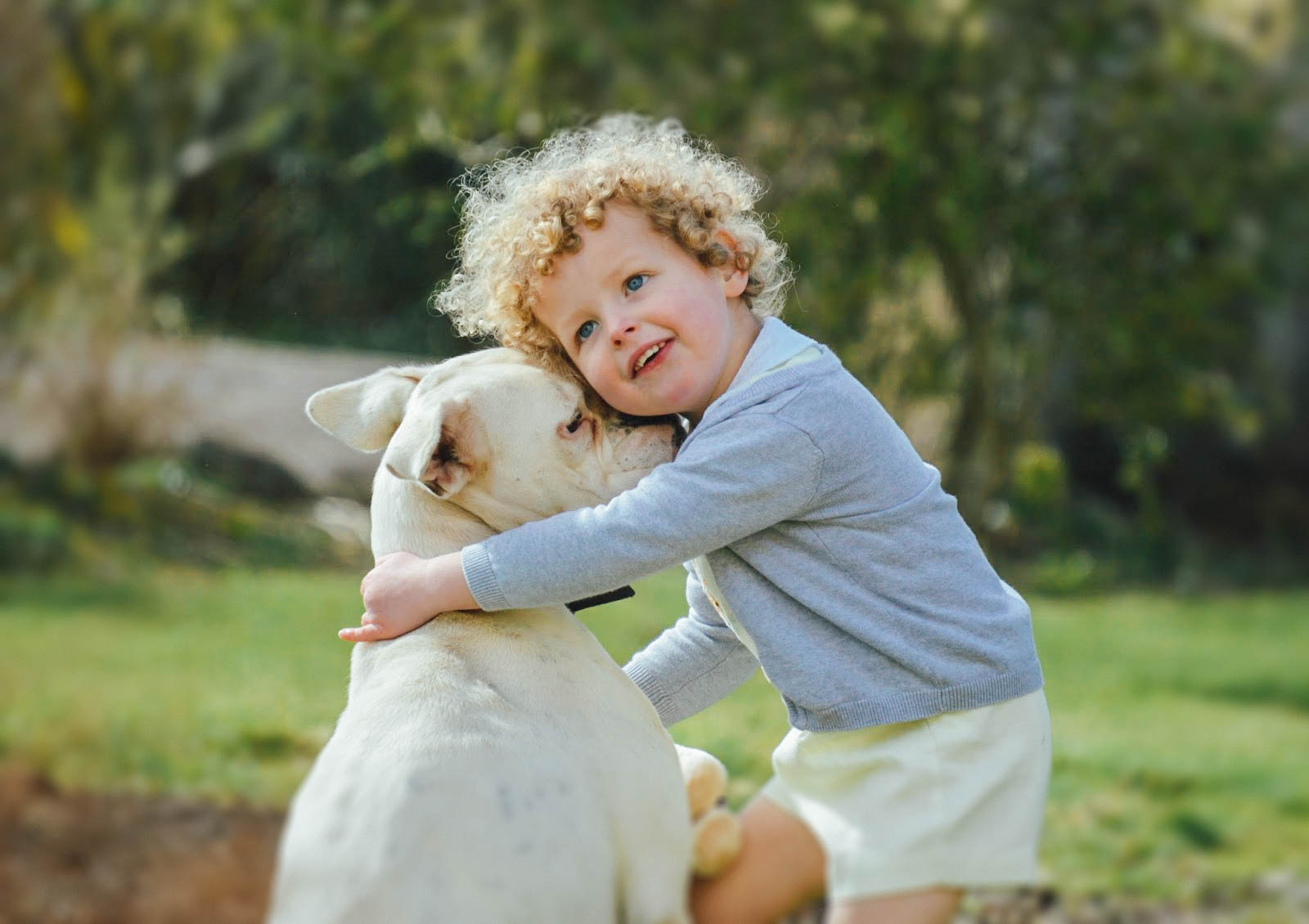
Safety and comfort are two words that come to my mind when I think of crate training my new puppy. If you’ve decided to crate train your puppy, you’ve taken a wise step
in reducing future frustration. And if you can keep those two words in
your mind while training your pup, you’ll do a great job.
Here’s is a simple yet effective guide on how to crate train a puppy fast.
Treat the Crate Like a Kennel
In the beginning, always leave your crate open. Treat it like your
puppy’s new kennel by placing a comfortable blanket and cushion inside.
Show your puppy that the crate is non-threatening. it will soon see the
crate as its bed and home. You’ve already established a basis for crate
training your puppy.
Give Verbal Cues While Crate Training
Whenever your puppy goes to its crate, be sure to praise it verbally.
Puppies love hearing that they’re a good dog, so do a lot of that while
your puppy is inside the crate—for whatever reason.
Add Positive Elements to the Crate
A toy, a chew treat and a few snacks in the crate will make your puppy want to spend more time there. Let the majority of your puppy’s playtime be spent in the crate. And
when it’s time for treat, make sure the crate is always involved.
Never Use the Crate as a Form of Punishment
Your puppy should
never view its crate as a place to go when it’s misbehaved. Feelings of
shame should never be associated with the crate, since this will create
an avoidance to the crate in your puppy’s mind. Also provide some
company for your puppy while it’s in its crate. This will show your
puppy that being in the crate won’t hinder its social interaction.
Feed Your Puppy in the Crate
Feeding times should be done in the crate. The reward centre in your
puppy’s brain will activate when it eats, and the crate will be
associated with reward rather than loneliness or boredom.
Food also reinforces the idea that your puppy is in its ‘den’.
Incrementally Close the Crate
Now that your puppy is comfortable with being in its crate all the time, it’s time to teach it confinement. This may sound like a difficult task, but if you’ve setup your basis as discussed above, you’ll be fine. Close the crate for a few minutes at a time. Don’t do it too often at
first, and don’t make a big deal out of it. Simply close the crate for a
few minutes and stay with your puppy while it eats, plays or sits in
its crate. Over time you can incrementally close the crate for
longer periods. After a few days, begin moving away from the crate while
it’s closed. Keep giving your puppy reassurance during this time. If it looks anxious, take a step back and move slower through this step.
Develop a Crate Command
After a few months your puppy will have learned various commands. One of those commands should be “To your place”. Your puppy’s crate
should be its ‘place’, but this command should never be used to
reprimand or shoo your dog. Teach your puppy from a young age that “to your place” means relaxing in its crate.
Train Your Puppy to ‘Stay’ in its Crate
A stay command is useful while crate training. You can teach your puppy to stay in its crate while it’s open. This
will make your puppy less anxious when you do close it, because it’s
already learned to relax comfortably in its crate.
Crate training
your puppy is an ongoing process. Spend a lot of time with your puppy
in its crate and it will learn to enjoy it there - even when you’re not
home.