Orthopedic health plays a major role in how people move, work, and live each day. Joint pain, muscle strain, or mobility issues can quietly limit daily routines long before they feel “serious.” In active, densely populated areas like the Bronx, where people spend long hours on their feet, commute frequently, and balance work with family responsibilities, physical discomfort can quickly affect quality of life.
Modern orthopedic care has evolved far beyond basic injury treatment. Today, it focuses on restoring movement, reducing pain, and supporting long-term function through personalized, minimally disruptive approaches. Rather than focusing solely on major injuries, orthopedic care now emphasizes prevention, recovery, and sustainable mobility.
Below are six practical benefits that explain why modern orthopedic care plays such an important role in overall health and wellness.
1. Improved Mobility for Everyday Activities
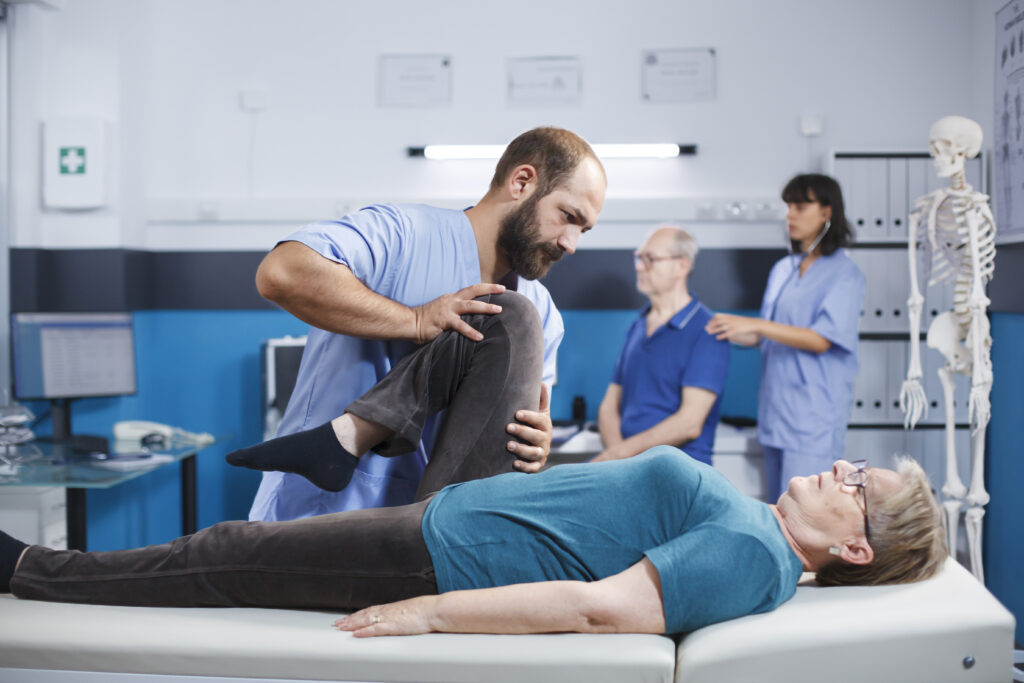
One of the most immediate benefits of orthopedic care is improved movement. Joint stiffness, muscle weakness, or misalignment can make simple tasks like walking, climbing stairs, or lifting objects uncomfortable.
Modern orthopedic treatments focus on restoring the natural range of motion and strength. Whether through physical therapy, targeted injections, or corrective procedures, care plans are designed to help patients move with less restriction. Improved mobility supports independence and reduces the need to avoid everyday activities due to discomfort or fear of injury.
2. Personalized Treatment Plans
Personalized orthopedic care goes beyond diagnosis and treatment techniques. It also considers how a patient’s environment, routines, and physical demands affect recovery and long-term outcomes.
For many patients, guidance from an orthopedic surgeon in the Bronx supports recovery plans that fit real-world demands and personal goals. Local specialists like the surgeons at The New York Spine Institute often understand the physical strain associated with commuting, physically demanding jobs, and active urban lifestyles. This insight helps shape realistic, effective treatment plans aligned with how patients actually move and live each day.
3. Focus on Non-Surgical Solutions
A major shift in orthopedic care is the emphasis on conservative, non-surgical treatment whenever possible. Many conditions once treated with surgery are now managed effectively through physical therapy, guided exercise, medication, or injections.
This approach reduces recovery time and minimizes disruption to daily life. Non-surgical care allows patients to continue working, caring for family, and staying active while addressing pain or dysfunction. It also lowers surgical risks and supports gradual, body-friendly healing. Surgery remains an option when necessary, but it is no longer the default starting point.
4. Faster and More Effective Recovery
When injuries do occur, modern orthopedic care supports faster, safer recovery. Advances in diagnostic imaging, rehabilitation techniques, and pain management allow providers to identify issues accurately and treat them efficiently.
Recovery plans often include structured physical therapy that builds strength gradually and reduces reinjury risk. Patients are guided through recovery milestones rather than left to guess when it is safe to resume activities. This clarity helps people regain confidence in their bodies, return to routines sooner, and avoid long-term setbacks.
5. Long-Term Joint and Spine Health
Orthopedic care is increasingly preventive. Instead of waiting for pain to become severe, many patients seek care to protect joint and spine health over time.
Early intervention helps slow wear-and-tear conditions like arthritis and reduces the risk of chronic pain. Education around posture, movement patterns, and strength training empowers patients to make healthier choices outside the clinic. This proactive approach supports mobility, independence, and comfort well into later years.
6. Improved Quality of Life and Confidence
Pain and mobility issues often affect more than the body. They can influence mood, energy, sleep, and confidence. When movement feels unreliable, people may withdraw from social activities or limit physical engagement.
Modern orthopedic care helps restore confidence by improving physical comfort and capability. When pain decreases and movement improves, daily life feels more manageable. This positive ripple effect supports mental well-being, emotional balance, and overall quality of life.
A Practical Approach to Lifelong Movement
Modern orthopedic care is not only about treating injuries. It is about supporting the body’s ability to function reliably over time. Through personalized plans, conservative treatments, and preventive strategies, orthopedic care helps people stay active and engaged in their daily lives.
For individuals balancing work, family, and personal health—especially in busy environments like the Bronx—this practical, whole-body approach makes orthopedic care an essential part of long-term wellness.