
Are you heading out on a road trip to Little Rock, Arkansas—or simply commuting through familiar routes—when everything suddenly changes? A road accident has a way of interrupting plans without warning, turning an ordinary day into a confusing and stressful experience. In just a few moments, priorities shift from destinations and schedules to injuries, safety, and next steps.
Beyond the immediate shock, a road accident can affect nearly every part of daily life, from health and finances to emotional well-being. Understanding what happens after an accident—and how to navigate the aftermath—can help you regain a sense of control during an otherwise overwhelming time.
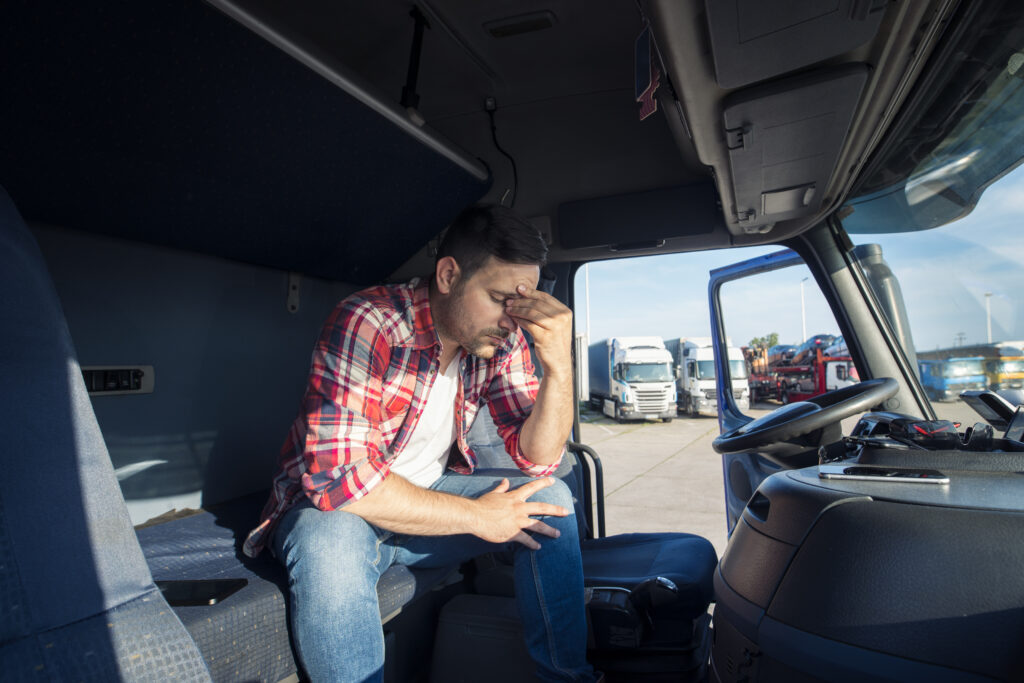
Immediate Aftermath of a Road Accident
In the moments following a road accident, the body and mind often react simultaneously. Adrenaline may mask pain, making injuries less obvious at first. At the same time, confusion and stress can make it difficult to think clearly or make decisions.
For this reason, safety becomes the first concern. Moving out of harm’s way, checking on others involved, and contacting emergency services are critical steps. Vehicle damage, traffic disruptions, and the presence of law enforcement can intensify the situation. Even minor accidents can feel overwhelming due to the sudden disruption and uncertainty they create.
Medical Care and Recovery
Seeking medical attention after a road accident is essential, even if injuries appear minor. Some conditions—such as soft tissue injuries, concussions, or internal trauma—may not present symptoms immediately. Early evaluation helps ensure proper treatment and creates documentation that may be important later.
Recovery can vary widely depending on the severity of injuries. Some individuals may require short-term care, while others face long-term rehabilitation, physical therapy, or ongoing medical support. As recovery progresses, daily routines, work responsibilities, and travel plans often need adjustment to accommodate healing.
Financial Disruptions That Follow
A road accident can introduce unexpected financial strain. Medical bills, prescription costs, and rehabilitation expenses add up quickly. At the same time, vehicle repair or replacement may be necessary, creating additional out-of-pocket costs.
Lost wages are another common concern. Time away from work—whether temporary or extended—can affect household income and financial stability. These combined pressures often make the aftermath of an accident as stressful financially as it is physically.
When Legal Guidance May Be Helpful
In more serious accidents—particularly those involving commercial vehicles—legal guidance can play an important role. Truck accidents, for example, often involve complex factors such as federal regulations, multiple liable parties, and severe injuries. These cases are very different from standard car accidents and typically require deeper investigation.
This is why it may be necessary to speak with a truck accident attorney in Little Rock who understands the specific challenges of commercial trucking cases. At McMath Woods, legal support focuses on helping you navigate complex claims involving trucking companies, insurers, and regulatory requirements. The approach emphasizes investigating the cause of the accident and pursuing compensation for medical costs, lost income, and long-term impacts. This allows injured individuals to focus on recovery rather than legal stress.
Navigating Insurance and Paperwork
Insurance claims are a key part of post-accident recovery, but the process is rarely simple. Filing claims, gathering documentation, and communicating with adjusters can be time-consuming and frustrating, especially while managing injuries.
Delays, disputes, or coverage limitations are not uncommon. Understanding policy terms and responding to requests accurately is important, but doing so can feel overwhelming when you’re already dealing with recovery and stress. This is often where additional guidance becomes valuable.
Emotional and Lifestyle Adjustments
Beyond physical and financial consequences, road accidents often leave emotional effects. Anxiety, stress, or hesitation about driving again are common responses. Daily routines may change as individuals adjust to physical limitations or ongoing treatment.
Support from family, friends, or professionals can be essential during this phase. Acknowledging the emotional impact of an accident is just as important as addressing physical injuries, as both influence long-term recovery.
Moving Forward After a Road Accident
Recovery after a road accident is rarely linear. Progress may come in stages, with setbacks along the way. Over time, rebuilding confidence—both physically and emotionally—becomes part of the healing process.
Planning future travel, returning to work, and resuming normal activities often happen gradually. With the right medical care, support systems, and guidance, many individuals can move forward with greater stability and confidence.
Closing Thoughts
When travel plans change in an instant, the road ahead can feel uncertain. A road accident affects far more than the moment it occurs—it reshapes priorities, routines, and responsibilities. By understanding what to expect after an accident and knowing when to seek support, individuals can take informed steps toward recovery, stability, and a renewed sense of control.