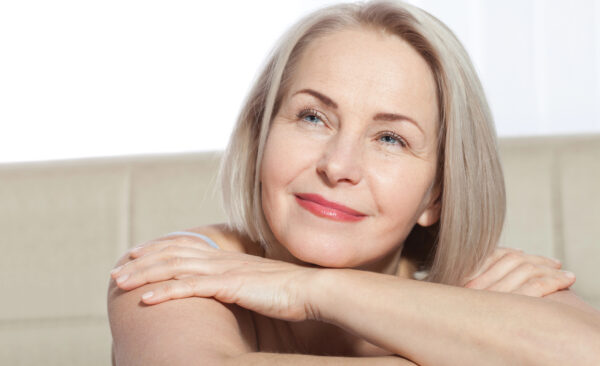
The eye area is often the first place where aging becomes noticeable. Even when the rest of the face looks relatively unchanged, subtle shifts around the eyes can make someone appear more tired, stressed, or older than they feel. This happens because the skin around the eyes is thinner, more delicate, and constantly in motion from blinking and facial expressions.
As years pass, these changes do not appear all at once. They develop gradually—sometimes so slowly that people only notice them when comparing photos or hearing comments like “You look tired.”
Understanding why these changes occur helps explain why certain solutions are considered more often in NYC than others. That said, below are the most common age-related changes around the eyes—and what people typically explore in response.
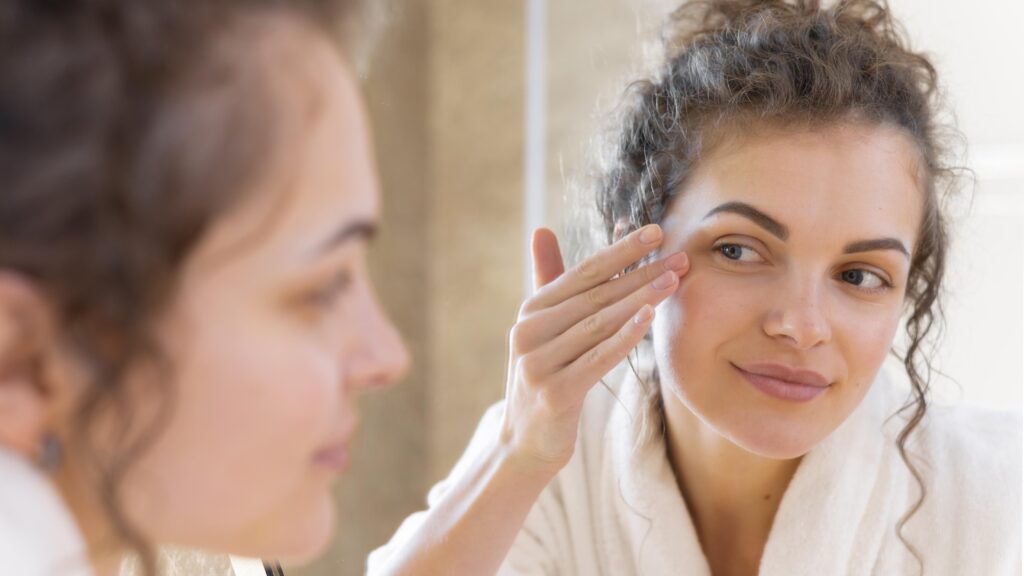
1. Loss of Skin Elasticity and Fine Lines
One of the earliest changes in the eye area is the gradual loss of collagen and elasticity. The skin around the eyes is already thin, and as collagen production slows with age, it becomes even less able to bounce back. This leads to fine lines, crepey texture, and wrinkles—especially at the corners of the eyes and under the lower lids.
These lines often become more noticeable with facial movement and can remain visible even when the face is at rest. Many people first try topical solutions or lifestyle changes to support skin quality, such as improved hydration or sun protection. While these steps can help slow further damage, they typically have limited impact once structural skin changes have set in.
At this stage, people often start considering options that address skin laxity more directly. All in all, the decision usually depends on how pronounced the lines are and whether they affect overall facial balance.
2. Drooping Upper Eyelids and Heaviness
As aging progresses, the upper eyelids often begin to look heavier. This happens when skin stretches, and underlying support weakens, causing the lid to fold over itself. In some cases, this drooping can make the eyes appear smaller or less open than before.
Beyond aesthetics, drooping upper lids can also interfere with vision—especially when excess skin hangs close to the lash line. Many people initially attribute this change to fatigue or stress, only to realise it persists regardless of rest.
When this heaviness becomes noticeable, people tend to look beyond temporary fixes. Options are usually considered based on:
• How much excess skin is present and
• Whether it affects daily comfort or vision.
This is where discussions around procedures like blepharoplasty in NYC often arise, particularly with specialists like those at Bass Plastic Surgery, who focus on addressing eyelid changes in a way that preserves natural eye shape and expression.
By the way, the seasoned experts evaluate eyelid changes in relation to the entire eye area rather than in isolation. In these evaluations, attention is typically given to how much skin redundancy is present, how the eyelid sits at rest, and how changes have progressed over time. The aim for many people is not a dramatic alteration, but relief from heaviness and a more open, rested eye appearance that still looks natural to their face.
3. Under-Eye Bags and Hollowing
Changes beneath the eyes can be some of the most frustrating. With age, the fat pads that once sat smoothly under the eyes may shift forward, creating puffiness or “bags.” At the same time, volume loss in nearby areas can cause hollows, making the under-eye region look uneven.
This combination of puffiness and hollowing often creates a tired or worn appearance, even when someone feels well-rested. Many people experiment with eye creams, cold compresses, or lifestyle adjustments to reduce swelling. But these measures usually provide only short-term improvement.
As these changes become more persistent, people start exploring solutions that address the underlying structure rather than surface symptoms. Consideration typically revolves around restoring balance—either by:
• Reducing excess tissue,
• Supporting weakened areas, or
• Improving how light reflects under the eyes for a smoother appearance.
To Sum It All Up!
Aging around the eyes is natural, gradual, and influenced by a combination of skin changes, tissue movement, and structural support loss. While early changes may be subtle, they often become more noticeable over time and can affect both appearance and comfort.
Understanding how the eye area changes helps explain why people move from surface-level solutions to more targeted approaches as aging progresses. Last but not least, with thoughtful evaluation and realistic expectations, addressing these changes becomes less about reversing age—and more about restoring balance and confidence in how the eyes reflect how someone feels.