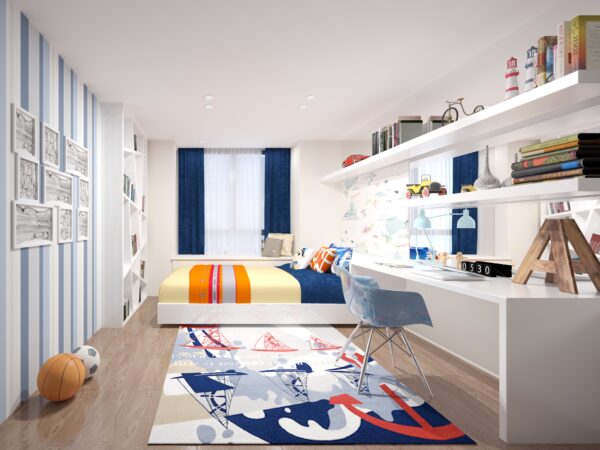
Choosing the right building design in structures is crucial for a variety of reasons. Well-designed buildings should offer comfort and be functional. Structures should also be visually appealing and designed to be sustainable and robust. In addition, building design should preferably be in harmony with the surrounding environment. Overall, a new building should be designed to enhance the life quality of its inhabitants. Join us below as we discuss 4 valuable tips to choose the right building design.

1: Choosing building type
Building design is a complex project that begins with a vision. The starting point is to decide the purpose of the new building. Building types are normally divided into the following categories:
• Residential – designed for living spaces
• Commercial – designed for business activities
• Educational – such as schools and universities
• Industrial – designed for industrial manufacturing spaces
The choice of building type will influence the overall design, and the material used in building the structure. For instance, prefabricated structures like a customizable steel Quonset can be useful for an industrial building type where the focus is on functionality and less on sustainability and visual appeal.
Safety is another major factor when selecting materials for any building type. Modern building regulations require strict fire safety measures to protect lives and property. This includes the installation of proper cavity barriers and cavity fire stops within concealed spaces. These systems help prevent the spread of fire and smoke through walls and floors. Choosing the right safety components early in the design phase helps avoid costly changes later.
This is especially true for outdoor and rooftop spaces, where environmental forces create structural challenges. For instance, designers of high-rise terraces need to consider local wind patterns and building heights when planning elevated decks. Since there is no single national standard for these installations, architects must evaluate paver pedestal wind uplift requirements based on the specific geometry of the roof. Factors like parapet height and local wind exposure play a major role in determining if mechanical fastening is necessary. Addressing these engineering details early prevents safety hazards.
By contrast, residential buildings often combine functionality with aesthetics and sustainability for long-term residence. While designed for different purposes, commercial and educational building types also typically blend functionality, aesthetics and sustainability.
2: Setting a budget
Any project requires setting a clear budget. While there are nearly endless building design possibilities, it is crucial to stick to a manageable and realistic budget. Otherwise, you risk embracing an unrealised building design due to lack of funds. Setting a realistic budget can be achieved by doing the following:
• Clearly define the goals and scope of the building project
• Separate essential needs from extra wants
• Factor in unexpected expenses and contingencies
• Carefully review written agreements and contracts
• Manage and adapt the budget according to needs
• Clear two-way communication with people involved in the building design project
Seeking advice from building design experts
Keep in mind that a vision is only great if it is affordable and realistic.
3: Picking a suitable architect
Most people will need an architect in order to carry out a building design project. Choosing the right architect is critical for the success of the building project. An excellent architect should possess the following combination of qualities:
• A clear understanding of your building design vision and goals
• Imaginative and innovative
• Display a clear understanding of the budget and its financial constraints
• Detailed knowledge about regulatory requirements
• Excellent communication skills and a good listener
• Commercial understanding
As the captain of your building design project, the architect’s overall task is to turn your building vision into reality.
4: Deciding on the aesthetics
Aesthetics is an important component in building design. It is therefore crucial to discuss the aesthetics issue with the architect. Any building design project needs to carefully address the following issues:
• Should the aesthetics be eye catching or blend easily into the surrounding environment?
• Deciding on traditional or modern design
• Focus on long-term design and avoid temporary trend
• Decide whether the focus should be on functionality or visual design
• Consult the architect for input on appropriate building material
• Aim for aesthetic harmony between exterior and interior designs
Keep in mind that your building design project does not exist in a vacuum. There should ideally be harmony between your building design and the surrounding buildings and landscape. Aesthetics and materials should therefore be picked carefully in consultation with the architect.
Building design projects require deciding whether the building type should be residential, commercial or industrial. It is essential to set a realistic and manageable budget. It is also very important to choose a skilled architect who understands your vision, needs, budget and the building regulations. Aesthetics should reflect a combination of functionality, design and personal preferences.