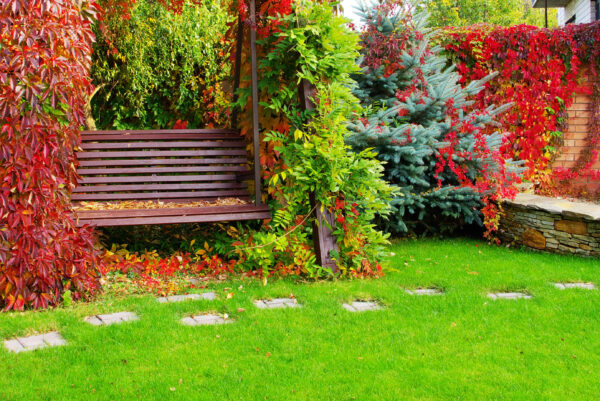
Interior designers and property owners turn to durable fiberglass planter collections from Pots Planters and More to elevate outdoor living spaces.
When you design an open outdoor living area, balancing physical durability with refined visual appeal often presents a tricky dilemma. Traditional stone, heavy masonry, and unsealed timber look substantial, but their excessive weight and vulnerability to weather create long-term headaches for your commercial terrace or residential patio.
Modern exterior planning solves this dilemma by adopting weather-resistant, lightweight vessels that structure outdoor gathering spaces with architectural precision. By switching to high-performance composite planters, you gain complete layout flexibility, lower structural strain, and enduring style without sacrificing visual sophistication.
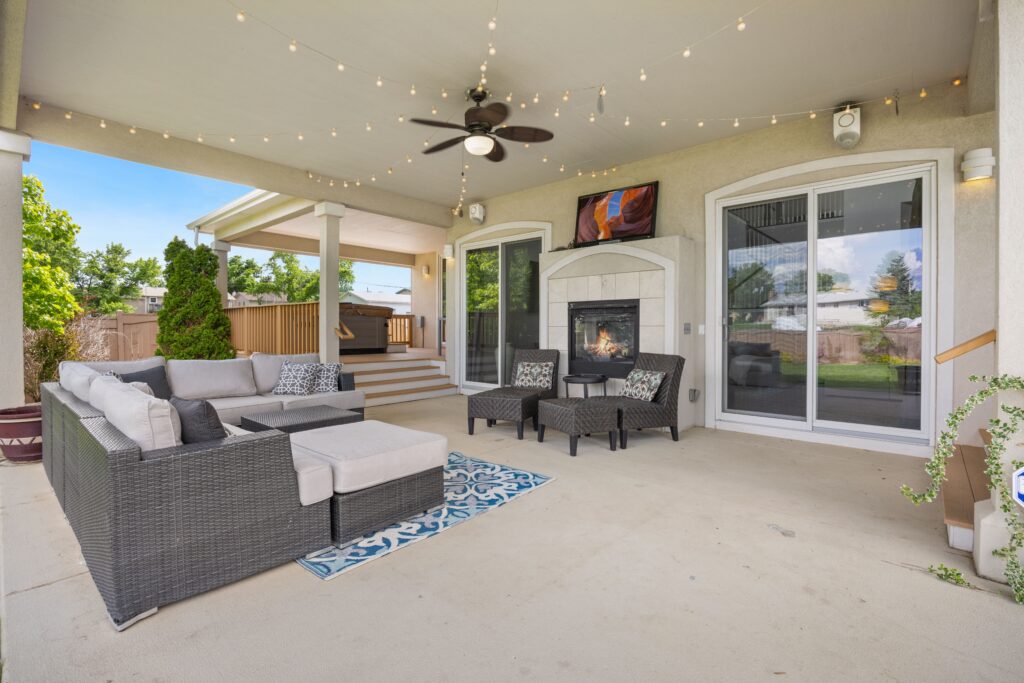
Why Are Designers Leaving Heavy Stone and Timber Behind?
Heavy terra cotta, cast concrete, and untreated wood once dominated exterior architecture, but their practical drawbacks quickly frustrate property managers. When you source commercial-grade fiberglass options from Pots Planters and More, you gain remarkable tensile strength alongside a fraction of traditional masonry heft. Advanced composite vessels resist cracking, chipping, and freeze-thaw damage that routinely ruin earthen pots. That structural stability means your investment retains its crisp, professional appearance through blistering summers and frozen winters alike.
Timber rots after prolonged rain exposure, while concrete planters leach alkaline salts that discolor paved surfaces and damage plant roots. Synthetic resin and fiberglass containers eliminate these maintenance traps because their non-porous surfaces repel staining and water intrusion. You spend less time scrubbing mineral deposits off pavers and more time enjoying an immaculate presentation.
How Do Lightweight Planters Protect Elevated Decks and Terraces?
According to data shared by the American Institute of Architects, 68% of commercial space planners choose fiberglass and composite containers over concrete options to minimize weight loads on elevated rooftop terraces. Rooftop decks, balconies, and elevated wood platforms carry strict weight thresholds that heavy stone urns quickly exceed once saturated with wet soil. Lightweight containers allow you to position large, dramatic greenery arrangements directly over decking without risking structural deflection.
Relocating large pots during seasonal resets becomes a simple task for a two-person crew rather than a forklift operation. You protect your deck boards from gouging and scrape marks whenever you adjust your seating layout.
How Do You Divide Open Patios into Distinct Seating Zones?
Research highlighted by Dwell reveals that urban architects rely on modular planters as living partitions to establish intimate functional zones across wide outdoor spaces without building fixed walls. Large open patios often feel cold and exposed if you arrange furniture without clear visual boundaries. Strategic placement of modular rectangular containers establishes clear sightlines, separating dining tables from conversational fire pits.
You direct foot traffic naturally by aligning trough planters along primary walkways. Guests intuitively follow the green borders toward lounge seating, creating an organized, boutique hospitality ambiance right in your backyard or restaurant courtyard.
Spatial Planning Strategies for High-Traffic Outdoor Areas
Commercial venues and private residences require flexible outdoor floor plans that adapt quickly to varying crowd sizes. Modular geometric vessels serve as movable architectural elements, letting you widen pathways during crowded parties or close off private alcoves for quiet mornings.
Creating Multi-Level Visual Privacy
Positioning tall, narrow planters along patio perimeters blocks street-level views while dampening neighborhood noise. Dense plantings set inside elevated troughs form an organic privacy screen that feels much friendlier than rigid perimeter fencing.
Choose rectangular containers between 30 and 42 inches in height to shield seated diners from exterior sightlines. The height frames conversation areas comfortably without blocking overhead sunlight or outdoor breezes.
Selecting Weather-Hardy Greenery for Year-Round Curb Appeal
Your choice of botanical specimens determines whether your patio looks lush all year or barren during cold snaps. Pairing frost-tolerant evergreens with sculptural ornamental grasses provides persistent color and organic movement across every season.
• Select dwarf conifers: Slow-growing junipers and boxwoods provide dependable green structure that survives deep freezes without outgrowing medium-sized containers.
• Incorporate ornamental grasses: Feather reed grass and blue fescue add graceful vertical texture and rustle gently in evening patio breezes.
• Layer trailing groundcovers: Creeping thyme and English ivy soften hard planter edges and spill naturally toward the patio floor.
• Integrate seasonal color: Compact perennials like hellebores and coneflowers introduce rich blooms from early spring through late autumn.
What Maintenance Habits Keep Composite Containers Performing at Their Best?
Synthetic containers demand minimal upkeep compared to wood or unsealed terra cotta, but simple seasonal care preserves their factory luster for decades. Wash exterior surfaces twice a year with mild dish soap and warm water to strip away airborne dust, pollen, and hard water spots.
Inspect base drainage holes before spring plantings begin to confirm that soil compaction has not blocked water escape routes. Adding a layer of permeable filter fabric over the drainage holes prevents root escape while letting surplus rain drain freely, protecting plant root health and vessel longevity.
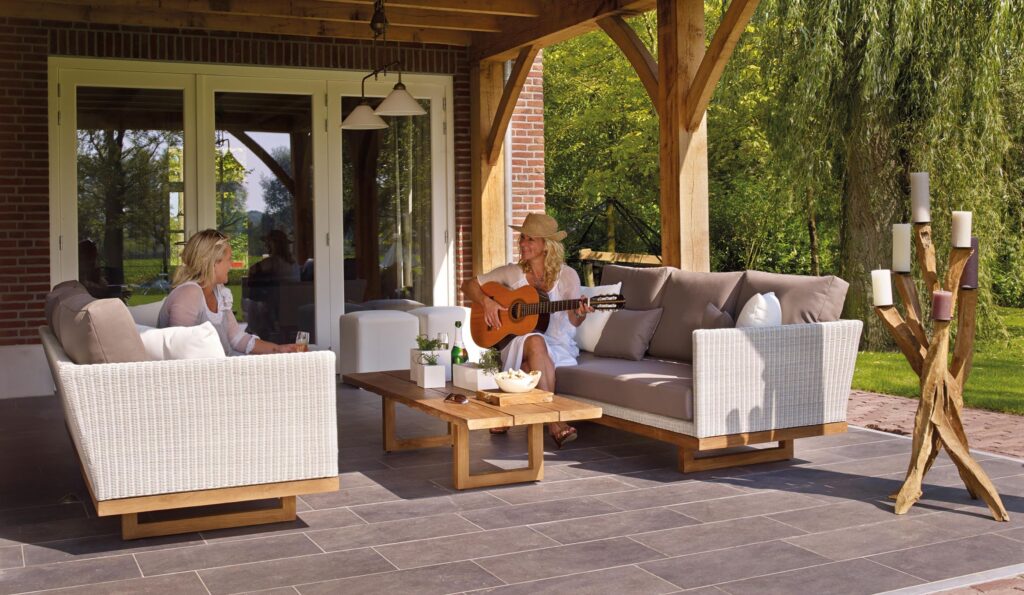
Investing in commercial-grade lightweight planters transforms your outdoor patio into a polished, resilient gathering retreat. You eliminate the back-breaking labor of moving massive stone pots while shielding your property from weather damage and heavy structural strain. With durable composite materials framing your favorite perennial greenery, your gathering spaces deliver architectural elegance and effortless maintenance across every season.