A roof is more than just a cover over your head; it’s your home’s first line of defence against the elements. A well-maintained roof protects your property from weather damage, preserves structural integrity, and safeguards your family’s comfort. Too often, homeowners overlook the early warning signs that repairs are needed—leading to costly damage down the road. By identifying issues promptly, you not only save money but also prevent minor concerns from escalating into major emergencies. A healthy roof also boosts energy efficiency, strengthens security, and adds to the overall value of your home. With Silk Roofing, knowing what to look for is the first step toward maintaining a safe, durable, and dependable home.
Understanding the Importance of a Healthy Roof
Why Timely Repairs Protect Your Home
Your roof acts as the first barrier against rain, wind, and sun, and any weakness can compromise the entire structure of your home. Small leaks may start quietly but can quickly spread, causing damage to insulation, ceilings, and walls. Delayed maintenance often turns a minor fix into a major expense, especially when water infiltration is involved. A well-maintained roof also prevents pests from entering through gaps and cracks. Addressing problems as soon as they arise is essential for maintaining your home's security and resilience.
Risks of Ignoring Early Warning Signs
When roof damage is left untreated, it creates a domino effect of structural and financial problems. Water damage can lead to mould, rotting wood, and weakened foundations. Energy bills may rise as heat escapes through gaps, forcing your systems to work harder. The longer the delay, the greater the likelihood of requiring a full roof replacement rather than a repair. Ignoring small issues is often the most expensive decision a homeowner can make.
Visible Exterior Damage
Cracked, Missing, or Curling Shingles
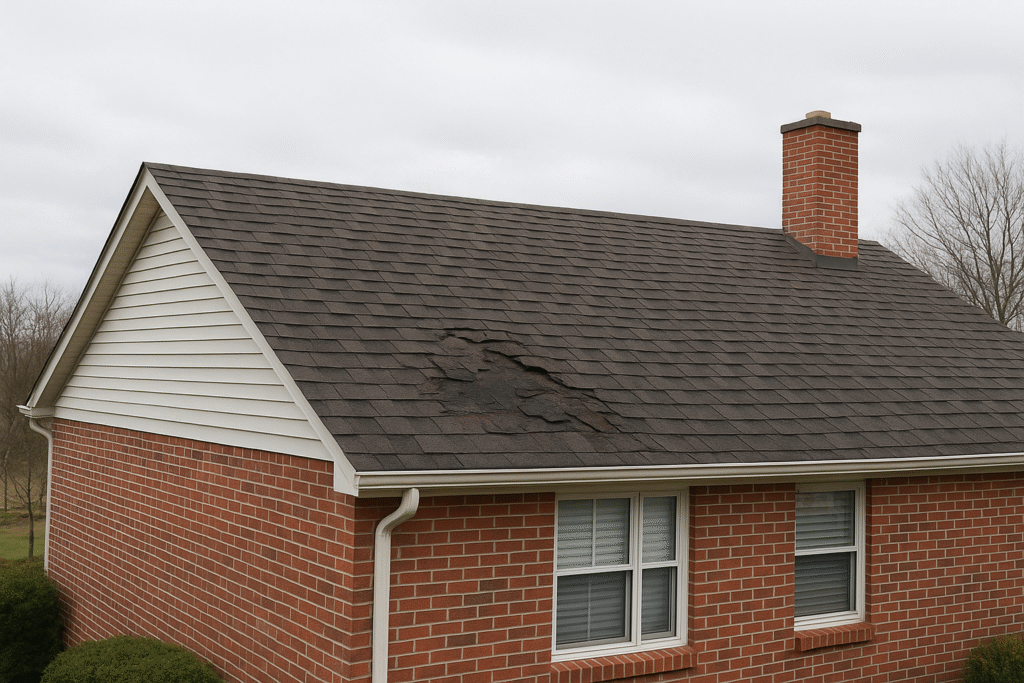
The condition of your shingles is one of the clearest indicators of roof health, and visible damage should never be ignored. Cracked or missing shingles expose the underlayer to moisture, accelerating deterioration. Curling shingles, often caused by ageing or poor ventilation, make your roof vulnerable to wind uplift. These issues not only reduce your roof’s effectiveness but also compromise its appearance and value. Spotting these warning signs early allows for timely repair before extensive damage develops.
Damaged Flashing and Gutters
Flashing, typically located around chimneys, skylights, and vents, is crucial in preventing leaks at vulnerable points on the roof. When flashing becomes corroded, bent, or detached, it creates gaps allow that water water to seep in easily. Gutters also play a crucial role in directing water away, but when clogged or damaged, they cause pooling and overflow that harm both the roof and the foundation. Signs such as rust stains, sagging gutters, or loose sections signal a problem that needs immediate repair. Paying attention to these areas helps prevent long-term water damage.
Interior Warning Signs
Water Stains and Ceiling Discolouration
Inside the home, water stains on ceilings or walls are often the first visible signs of roof failure. Even small brown patches can indicate a hidden leak that has already spread through insulation or timber. These marks may appear after heavy rain or persist regardless of weather, signalling a continuous problem. If left unchecked, the moisture can lead to peeling paint and structural weakness. Early action ensures the source is addressed before repairs become more invasive and costly.
Dampness, Mould, and Musty Smells
A leaking roof often allows moisture to collect in hidden spaces, creating the perfect environment for mould and mildew. Musty odours in the attic or upper floors can be a subtle but serious sign of water penetration. Mould growth not only damages surfaces but also poses significant health risks, particularly for those with allergies or respiratory issues. Over time, damp conditions can also weaken wood framing, creating hazards within your home. Recognising these signs quickly is crucial for protecting both property and health.
Weather-Related Red Flags
Storm and Wind Damage
Severe storms are one of the most common causes of sudden roof damage, often leaving both visible and hidden issues in their wake. High winds can lift or completely remove shingles, exposing underlayers to rain and debris. Even if shingles remain in place, loosened nails or shifted tiles weaken the roof’s protective barrier. Hail can also dent or crack roofing materials, creating openings that worsen over time. A post-storm inspection is crucial for identifying problems early and preventing expensive repairs.
Ice Dams and Seasonal Issues
In colder climates, ice dams form when snow melts and refreezes along the roof edges, preventing water from draining properly. This trapped water can seep under shingles and cause significant interior damage if not addressed promptly. Poor insulation and ventilation often worsen the problem, leading to recurring seasonal issues. Heavy snow build-up also adds extra weight, straining the roof’s structure. Proactive maintenance before winter helps reduce these risks and prolongs the roof’s life.
Structural and Long-Term Concerns
Sagging Rooflines and Weak Spots
A sagging roofline is a serious red flag that indicates potential structural compromise. This often results from long-term water damage, rotting timbers, or excessive weight from debris or snow. Soft spots that feel spongy when walked on are another warning sign of weakened support. If ignored, these issues can escalate into partial collapse or major safety hazards. Immediate professional assessment is crucial to prevent further deterioration and protect your home.
Ageing Roof and Lifespan Limits
Every roof has a natural lifespan depending on the materials used, and ageing eventually makes repairs less effective. Asphalt shingles may last around 20 years, while metal, tile, or slate can endure much longer with proper care. Visible wear, such as fading, brittleness, or frequent leaks, often signals that the roof is reaching its end. Continuing to patch an old roof can become more costly than investing in replacement. Recognising when it’s time for renewal helps preserve both safety and long-term value.
Your roof is one of the most important components of your home, and its condition directly affects comfort, safety, and cost. From visible exterior damage to subtle interior warning signs, every issue should be treated as an opportunity for timely intervention. Weather-related challenges and structural concerns underscore the importance of routine inspections and prompt repairs. Ignoring these signals often leads to greater damage and higher expenses down the road. By acting quickly, you safeguard not only your property but also the well-being of everyone living under your roof.