Planning a group getaway can be one of the most enjoyable things you do, especially when everyone is looking forward to spending time together. It’s a chance to step away from routine, share new experiences, and strengthen connections in a way that doesn’t happen day to day. Of course, organising a trip with multiple people comes with its challenges, but with a bit of structure, it becomes far more manageable.
When group getaways are approached with the right mindset, planning can feel just as rewarding as the trip itself. Read on for your ultimate guide to keeping things simple, organised, and enjoyable.

Set Clear Expectations Early
The first step is getting everyone aligned from the start. A group trip works best when people understand what they’re signing up for: some might want a relaxed break whilst others may prefer a packed schedule. Laying this out early helps avoid confusion later. A simple planning app is a great choice: for example, using a tool like Wanderlog keeps communication, plans, and itineraries in one place, making it easier to organise ideas, share updates, and keep track of decisions without things getting lost.
Money is just as important to address upfront. Different budgets quickly create tension if they aren’t discussed openly. Set a rough price range for the trip that covers everything from accommodation and travel to food and activities. This gives everyone a fair idea of what to expect and allows people to decide comfortably. It also helps avoid last-minute dropouts due to any unexpected costs. Being clear from the beginning keeps things straightforward and makes the rest of the planning process far smoother.
Choose the Right Destination
Choosing the right destination is about finding balance. A good group location offers a mix of things to do so that people can shape their own experience. A destination that supports all preferences makes it far easier to keep everyone satisfied. To simplify the decision-making process, you can use a platform like LuckyTrip to compare destinations based on budget and travel times; it offers a realistic view of what’s possible without overcomplicating things.
Accessibility should also guide your choice. If a destination is too difficult or expensive to reach, this will limit who can attend. Look at transport options, travel time, and overall convenience. A slightly less ambitious destination that’s easy to get to will often be the better choice for a group as it reduces stress and makes the trip more inclusive. The goal is to choose somewhere that works for most people, rather than aiming for something perfectly ideal that only suits a few.
Sort Travel Plans Without Stress
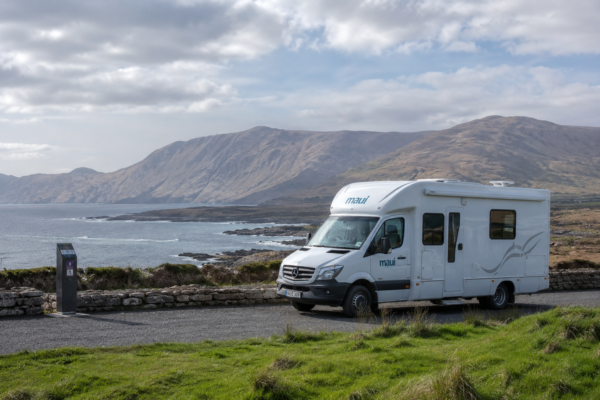
Travel logistics can quickly become complicated with multiple different parties involved. Coordinating arrivals, routes, and timings takes effort, and without a clear plan, it can feel disorganised. One of the simplest ways to manage this is by arranging shared transport, as it keeps everyone on the same schedule and removes the need for constant updates. For larger groups, Quality Coach Travel is a practical option. It makes coordination easier and often proves more efficient than separate arrangements. Travelling together also sets a better tone, as the trip effectively starts the moment everyone is on board.
If shared transport isn’t suitable, make sure there’s a clear plan that everyone can follow. Google Maps or Apple Maps can be used to map out routes and share them with the group in advance of the trip starting, ensuring everyone has the same information and reducing reliance on one person to manage everything. Always allow extra time for delays or changes; a small buffer can make a big difference and helps keep things calm, even if something doesn’t go exactly to plan.
Book Accommodation That Works for Everyone
Accommodation plays a big role in how the trip feels overall. While hotels are convenient, they can separate the group too much. Renting a shared space, on the other hand, often creates a better balance between privacy and togetherness. Platforms like Vrbo offer a wide range of group-friendly options, from large houses to apartments that keep everyone in one place. This makes it easier to spend time together without forcing it.
Room arrangements should be handled with care. Not everyone is comfortable sharing, and it’s best to ask rather than assume. Sorting this out early avoids awkward situations later. It also helps to think about the location of the accommodation; staying somewhere slightly cheaper but far from everything can create extra hassle when it comes to getting around. Alternatively, choosing a place that’s central or well-connected usually makes the trip smoother and more enjoyable for everyone involved.
Plan Activities Without Overloading the Schedule
It’s easy to over-plan a group trip, especially when there’s pressure to make the most of the time, but packing the schedule too tightly often leads to fatigue. A better approach is to plan a few key activities and leave space for downtime, as this keeps the trip balanced and allows for people to relax. Tools like GetYourGuide can help organise activities in advance without making things feel overly rigid, as it allows for flexible booking and easy browsing of options.
Not everyone will want to join every activity, and that’s completely fine. Giving people the option to opt in or out makes the experience more comfortable and enjoyable for all. Smaller groups can easily split off and meet up again later. This flexibility often leads to a better overall atmosphere, as no one feels pressured. A relaxed schedule makes it easier to adapt if things change, whether that’s the weather taking a turn for the worse or simply how the group feels on the day.