Parenting is often described through the big milestones. First steps. First words. The first day of school. Graduations, birthdays, major achievements, and the dramatic moments that get framed, posted, and remembered. But much of parenting is not built in those headline events. It is built in the ordinary. In the spilled cereal, the bedtime questions, the school pickup chatter, the sibling disagreements, the forgotten shoes, the learning new slang as your child gets older, such as what 6-7 means and the random conversations that appear while washing dishes or driving to the store.
That is where many of the real lessons live.
Everyday parenting has a quiet way of teaching things no manual can fully prepare you for. It teaches patience when nothing is going according to plan. It teaches humility when your child mirrors your tone with unsettling accuracy. It teaches perspective when a small moment suddenly reveals something important about who your child is becoming, and about who you are while raising them.
The ordinary moments of family life may not look especially profound while they are happening, but they often carry the deepest wisdom. Parenting lessons learned from everyday moments tend to be the ones that last because they arrive through lived experience rather than theory. They are not polished, but they are real. And often, they are the lessons that shape both parent and child most powerfully over time.

Stock photo via Dreamstime.com
Children Notice More Than Parents Realize
One of the most humbling lessons parenting teaches is that children are always paying attention. Not only to what parents say, but to how they say it. Not only to the rules, but to the reactions. A parent may think a moment is too small to matter, but children are quietly collecting clues all day long about how people treat one another, how stress is handled, how mistakes are managed, and what matters most at home.
A rushed response, a kind gesture, an apology, a sarcastic comment muttered under pressure, children absorb more of it than parents often realize. This can feel intimidating, but it can also be clarifying. Everyday life becomes the classroom. The lesson is not delivered only in formal speeches about kindness or respect. It is delivered in how parents speak to the cashier, how they respond when plans change, and how they handle frustration when dinner burns or the internet goes down at exactly the wrong time.
Parenting teaches that example is often louder than instruction. Children may forget a lecture, but they remember the atmosphere. They remember whether home felt tense or safe, whether mistakes brought shame or guidance, and whether people were treated with patience or constant irritation.
Patience Is Built in Repetition
Many parents enter the job imagining patience as a personality trait they either have or do not have. Everyday parenting quickly reveals that patience is less like a permanent trait and more like a muscle that gets worked, strained, and rebuilt in small repetitive moments.
Patience is built when a toddler asks the same question with the commitment of a tiny investigative journalist. It is built when a child takes seventeen minutes to put on shoes that seem to have become emotionally complicated. It is built when siblings argue over something bafflingly small, and a parent has to intervene without turning the kitchen into a courtroom drama.
These moments can feel exhausting, but they also teach something important. Parenting is often not a test of how calmly you handle one major event. It is a test of how steadily you respond to the ordinary friction of daily life. And when parents fall short, which everyone does, that becomes part of the lesson too. Patience is not perfection. It is returning, resetting, and trying again.
Connection Often Matters More Than Control
Everyday family life includes plenty of moments when parents need to guide behavior, set limits, and keep things moving. But one of the most powerful lessons hidden in ordinary moments is that children usually respond best when connection comes before control.
A child melting down over homework may not need a sharper command first. They may need a moment of understanding. A child acting silly at bedtime may not always be defiant. They may be tired, overstimulated, or looking for connection before the day ends. A teenager answering in monosyllables may not be rejecting a parent. They may simply be processing their day in the clumsiest possible packaging.
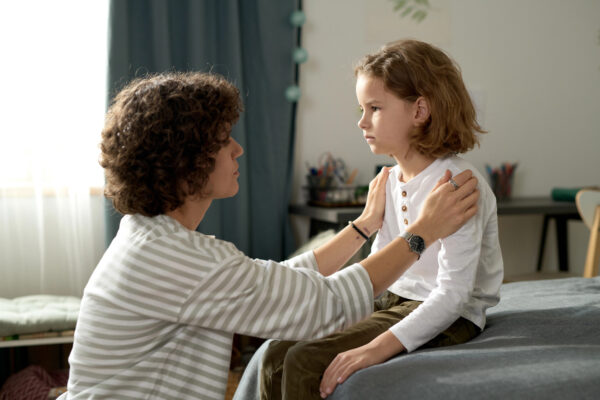
Everyday life teaches parents to look beneath behavior. That does not mean boundaries disappear into a puff of permissive fog. It means that guidance works better when children feel seen. A calm tone, a hand on the shoulder, a real listen before correction, these small choices can change the whole shape of a moment.
Over time, parents often learn that while control may win short-term compliance, connection builds trust. And trust is the stronger bridge.
Small Rituals Carry Big Meaning
Many parents assume the most meaningful parts of family life will come from major vacations, holidays, or big celebrations. Those moments can be wonderful, but ordinary routines often carry just as much emotional weight. Bedtime stories, pancakes on Saturday, a familiar joke during school drop-off, music while cleaning the kitchen, these tiny rituals may seem modest, but they create memory, security, and belonging.
One lesson parenting teaches is that consistency can be deeply comforting. Children often thrive on the little things they can count on. A parent reading at night. A wave from the window. A check-in after school. A shared snack. These moments may not look dramatic, but they become part of the emotional architecture of home.
Parents also learn that rituals matter not because they are fancy, but because they are repeated. Repetition turns ordinary habits into identity. This is what our family does. This is how we begin the day. This is how we come back together.
Children Need More Listening Than Fixing
It is very natural for parents to want to solve problems. When a child is upset, excluded, frustrated, or overwhelmed, the instinct to leap in with answers can be immediate and intense. Everyday moments often teach a gentler lesson: children do not always need fixing as much as they need listening.
A child describing playground drama may not need a full strategic intervention worthy of a diplomatic summit. They may simply need the relief of being heard. A teenager venting about school may not be asking for advice even if every parental fiber is preparing a three-point plan. Sometimes they just need space to say the thing out loud and know it landed somewhere safe.
This lesson can be surprisingly hard to learn because fixing feels active and useful. Listening can feel passive. But real listening is active in its own way. It requires attention, restraint, and trust. It says, I believe you can process this, and I am here with you. That kind of listening builds confidence as well as connection.
Parenting Exposes Your Own Habits
Children have a remarkable talent for revealing parts of a parent’s own personality they might otherwise keep strolling around unnoticed. Impatience, defensiveness, perfectionism, over-scheduling, people-pleasing, difficulty resting, children have a way of bumping into these traits with uncanny precision.
A child dawdling when you are in a hurry may reveal how tightly you grip control. A child making a mistake may show how you respond to imperfection. A child asking hard questions may expose your own discomfort with uncertainty. Everyday parenting becomes a kind of mirror, though often one held by a sticky hand holding a granola bar.
This can be uncomfortable, but it is also valuable. Parenting is not only about shaping children. It is also about being shaped. Ordinary moments teach parents where they need to grow, soften, slow down, or heal. In that way, children often become teachers without realizing it.
Repair Matters More Than Getting It Right Every Time
No parent responds perfectly in every ordinary moment. People get tired. They snap. They miss cues. They misread situations. They say the wrong thing. One of the most freeing lessons parenting can teach is that mistakes do not automatically break the relationship. What matters deeply is repair.
An apology after a harsh tone. A return to a child’s room after bedtime conflict. A calm follow-up conversation after everyone has cooled down. These ordinary acts of repair teach children something essential: relationships can bend without breaking. Conflict does not have to mean distance forever. People can take responsibility, reconnect, and move forward.
This lesson matters because children do not need perfect parents. They need trustworthy ones. A parent who can admit a mistake models honesty, humility, and emotional maturity. And often, the repaired moment becomes more meaningful than the original conflict.
Growth Happens Slowly and Quietly
Everyday parenting can feel repetitive, especially when children are young. Meals, cleanup, reminders, laundry, bedtime, repeat. Progress is not always dramatic. Sometimes it feels like parenting is one long loop of saying the same things while stepping over the same shoes. But ordinary moments teach something encouraging: growth often happens slowly and quietly.
A child who once could not share begins offering the last cookie. A child who melted down at every setback starts taking a breath. A teenager who seemed to hear nothing eventually repeats your own advice back to you in a suspiciously polished tone. These changes rarely arrive with trumpets. They appear gradually, tucked into regular life.
Parenting teaches that not all growth is obvious in the moment. The daily investments, the repeated reminders, the ordinary affection, and the steady presence often work underground for a long time before anything blooms where you can see it.
Joy Is Often Hiding in the Mess
There is a practical side to family life that can make it feel like a long management project. Appointments, errands, dishes, forms, groceries, cleanup. But everyday parenting also teaches that joy is usually scattered right in the middle of the mess, sometimes literally between the cereal crumbs and the unmatched socks.
A child saying something unexpectedly wise. A spontaneous dance in the kitchen. The whole family laughing at a ridiculous mistake. A quiet moment on the couch. A sleepy bedtime confession. These flashes of joy are easy to miss if everyone is moving too fast or focusing only on what needs to be fixed.
One of the great lessons of parenting is learning to notice. To pause long enough to catch the small funny thing, the tender thing, the weirdly beautiful thing hiding in regular life. The ordinary moments do not just teach discipline, patience, and responsibility. They also teach delight.
Time Feels Slow and Fast at Once
Everyday family life has a peculiar time signature. The days can feel astonishingly long, especially when they are filled with noise, repetition, and demands that begin before coffee has completed its sacred duties. But the years move quickly. Children change in ways parents do not always notice until a familiar routine suddenly disappears.
The child who needed help tying shoes does not anymore. The one who climbed into your lap now rolls their eyes but still lingers in the kitchen. The toys vanish. The questions change. The ordinary moment you barely noticed at the time becomes, later, a memory with its own ache and glow.
This lesson often arrives gently and then all at once. It reminds parents that ordinary life is not just something to get through. It is the material of memory. The routines, the chatter, the repetition, the car rides, the little annoyances, all of it is part of the story.
The Ordinary Is Where Parenting Really Happens
Big moments matter, of course. Milestones deserve celebration. But parenting is mostly built in the small, repeated, ordinary moments that fill the days in between. It happens while packing lunches, answering bedtime questions, navigating sibling conflict, listening to playground drama, and reminding someone for the fourth time to please put the wet towel somewhere other than the center of the universe.
These moments teach parents how to love more steadily, listen more carefully, apologize more honestly, and notice more deeply. They reveal what matters. They expose what needs work. They offer chances, over and over, to build trust, connection, and resilience in ways that may seem small but are anything but.
Parenting lessons learned from everyday moments are often the most enduring because they are not abstract. They are lived. They are tested in real time. They become part of the family’s emotional fabric.
In the end, the ordinary moments are not interruptions to parenting. They are parenting. They are where children learn what home feels like and where parents slowly learn, sometimes awkwardly and beautifully, what it means to raise another human while continuing to grow themselves.
And that may be one of the biggest lessons of all: the most meaningful parts of family life are often not hidden in rare grand events. They are tucked into daily life, waiting to be noticed, one ordinary moment at a time.