Choosing exterior materials is one thing; getting them installed properly is where projects succeed or fall apart. Metal cladding has earned its place in contemporary builds for its clean finish and resilience, but it is not forgiving in the hands of inexperience.
Somewhere between design intent and final fixings, small missteps can turn into long-term issues. That is why many clients take extra care when choosing metal cladding installers, weighing more than cost alone and looking closely at how each team approaches the work itself.
Proven Experience Backed By Relevant Project Examples
Experience shows up in the details. Not just in how long someone has worked, but in what they have actually delivered. A capable installer should be able to walk you through past projects that resemble your own in scale or complexity, pointing out how challenges were handled rather than glossing over them.
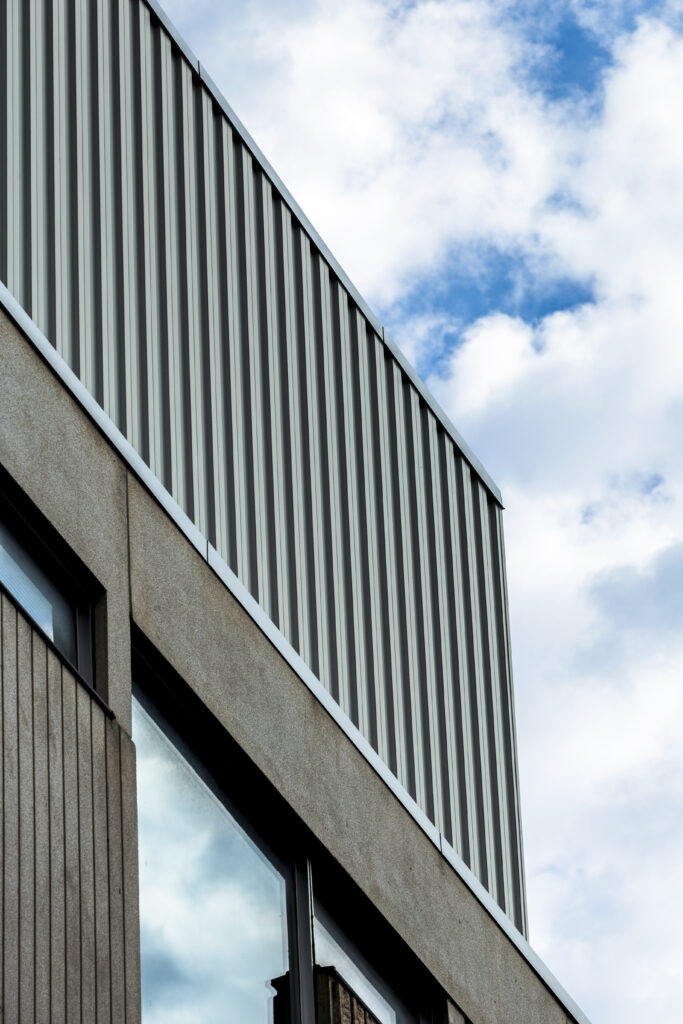
Different cladding systems demand different approaches. Standing seam behaves differently to interlocking panels, and corrugated profiles bring their own quirks. When you review a portfolio, look beyond the big picture. Corners, edges, joins. That is where precision either holds or falls apart. Consistency across multiple jobs tends to signal a steady hand rather than a one-off success.
Knowledge Of Materials And How They Behave
Metal shifts with temperature, sometimes slightly and other times enough to cause visible distortion. Installers who understand this will plan for movement from the outset rather than trying to correct it later. Expect conversations around expansion allowances, fixing methods, and airflow behind panels.
These are not abstract ideas; they directly affect how the facade looks after a few seasons. If someone can explain why certain gaps are left or why specific materials are paired together, it usually means they have seen what happens when those considerations are ignored.
Commitment To Safety And Regulatory Requirements
There is a practical side to compliance that goes beyond paperwork. Fire ratings, wind resistance, structural loading. These factors shape how a cladding system is assembled, not just which materials are chosen.
A reliable contractor will be upfront about certifications, insurance, and how they meet current standards. More importantly, they will treat those requirements as part of the build process rather than an afterthought. You should feel confident that what is being installed will hold up under scrutiny, both from inspectors and from the environment it sits in.
Clear Communication Throughout Each Project Stage
Technical ability matters, but so does the way information flows. Projects rarely move in a straight line, and when adjustments are needed, communication becomes the difference between a smooth correction and a costly delay.
Good installers tend to outline their process early. Timelines, sequencing, coordination with other trades. It does not need to be overly formal, but it should be clear enough that everyone involved knows what comes next. When questions arise, and they always do, the answers should feel considered rather than rushed.
Attention To Detail That Supports Long Term Performance
The appeal of metal cladding often lies in its sharp, uniform appearance. Keeping that look intact depends heavily on how carefully each component is fitted. Minor misalignments can ripple across an entire elevation, especially under changing light.
Precision is not just visual. It influences how water drains, how air moves, and how well the system resists wear. Installers who take their time with alignment, sealing, and fixings tend to deliver results that age more gracefully. You notice it less on day one, but it becomes obvious a few years in.
Final Thoughts
Selecting the right team is rarely about ticking boxes. It is more about forming a clear picture of how they think and work. When technical understanding, communication, and attention to detail come together, the outcome feels solid from the start.
A well-installed facade does not draw attention for the wrong reasons. It simply performs, season after season, holding its form and finish without constant intervention. That kind of reliability usually traces back to careful decisions made well before installation begins.