Oil tanks are easy to forget about. They sit quietly in the basement or underground, doing their job year after year without much attention. But like any part of a home, they don’t last forever. Over time, metal weakens, fittings loosen, and corrosion slowly takes hold — often without obvious warning.
In many older homes, especially throughout areas like Danbury, where heating oil systems have long been common, aging tanks are still in place decades after installation. The problem is that most homeowners don’t think about their tank until something goes wrong — and by then, the damage can be expensive.
The good news is that oil tanks usually show warning signs before a serious failure occurs. Recognizing those signs early can help you act before a minor issue turns into a costly emergency.
1. Your Tank Is Over 20–30 Years Old
Age alone can put your oil tank at risk. Most steel tanks — especially underground ones — have a lifespan of about 20 to 30 years. After that, corrosion becomes more likely, even if the tank appears fine from the outside.
Older tanks were not built with modern corrosion-resistant materials. Over time, moisture weakens the metal. Even if you haven’t noticed a problem yet, an aging tank may already be deteriorating internally.
If your tank is several decades old and has never been replaced or inspected, it’s wise to assess its condition before it fails.
2. You Notice Rust, Corrosion, or Flaking Metal
Visible rust is one of the clearest warning signs. While minor surface rust might not seem urgent, deeper corrosion can weaken the tank's structure.
Pay close attention to seams, weld joints, and the bottom of above-ground tanks where condensation collects. Flaking metal or pitting (small dents or holes) suggests the tank wall is thinning. Once corrosion reaches a certain point, leaks can happen suddenly. What looks minor today can turn into a rupture tomorrow.
3. The Tank Is Buried Underground
Underground oil tanks carry more risk than above-ground units because problems remain hidden. Moisture in the soil slowly corrodes metal from the outside in, and shifting ground can stress connections and fittings.
Homeowners looking into oil tank removal near Danbury often learn that older buried tanks pose environmental and financial concerns, especially during home sales. Professional removal contractors like Envirotech typically include pumping out remaining oil, safely excavating the tank, inspecting for leaks, and performing soil testing to assess contamination. They follow local environmental regulations and handle proper disposal and documentation, which helps protect property owners from future liability.
Proactively removing a buried tank can prevent major environmental issues down the line.
4. Wet Spots or Dark Stains Appear Nearby
Oil leaks don’t always gush — sometimes they seep. Dark stains on the basement floor, damp patches around the tank, or oily soil outside may indicate a problem.
For underground tanks, you might notice grass dying in one area or soil that looks darker than the surrounding ground. These signs often point to contamination.
Once oil reaches the soil, cleanup becomes more complicated and expensive. Acting quickly can limit the damage.
5. There’s a Strong Oil Smell Around the Tank
Heating oil has a distinct odor. If you smell oil consistently near the tank, in your basement, or even outside in the yard, don’t ignore it.
Sometimes the smell comes before visible leaks appear. A small crack or loose fitting can allow oil vapors to escape. Over time, even a slow leak can soak into the surrounding soil or concrete.
If the odor lingers for days or weeks, it’s time for a professional inspection.
6. You’re Planning to Sell Your Home
Oil tanks can complicate real estate transactions. Buyers and lenders often request inspections, and the discovery of an old or abandoned tank can delay or derail a sale.
Many buyers worry about potential contamination costs. In some cases, lenders require removal before approving financing.
Addressing tank concerns before listing your home can prevent last-minute surprises and make the selling process smoother.
7. The Tank Is Tilting or Looks Unstable
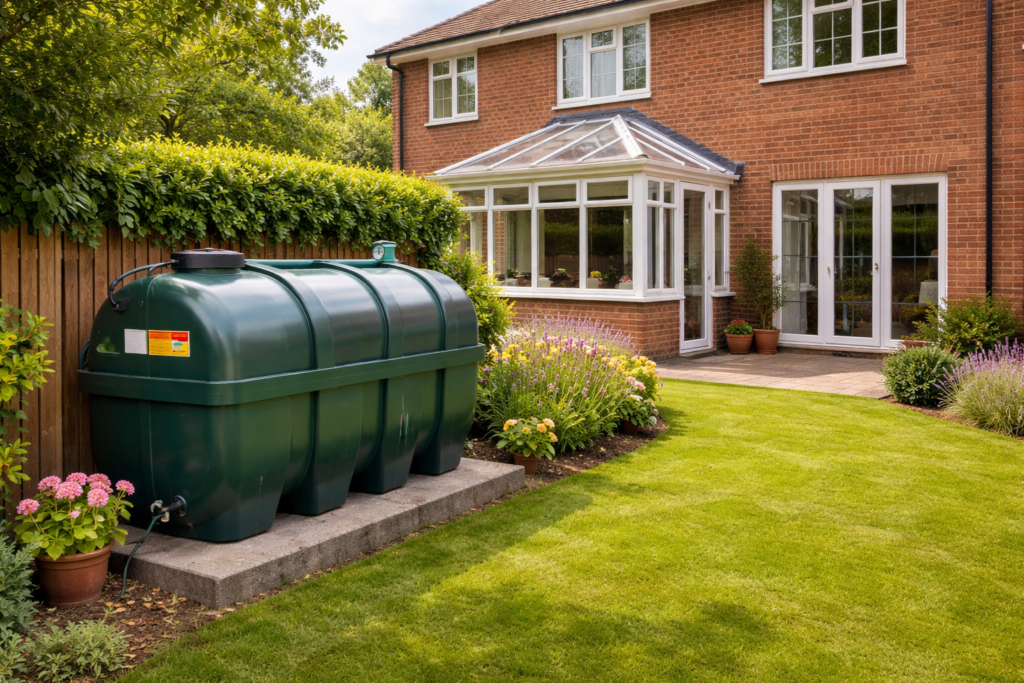
Above-ground tanks should sit level and firmly supported. If the legs appear uneven, the base looks unstable, or the tank is leaning, structural stress may be building.
Soil erosion, freezing and thawing cycles, or shifting foundations can all cause instability. Even slight tilting can put pressure on joints and valves, increasing the risk of leaks. An unstable tank should be inspected immediately.
Conclusion
An oil tank doesn’t have to fail dramatically to cause serious damage. Often, the warning signs appear gradually — rust, odors, age, instability, or repeated repairs. Paying attention to these signals can save you from expensive cleanup, environmental contamination, and real estate complications. If your tank shows one or more of these signs, taking action sooner rather than later protects your home, your finances, and your peace of mind.