
Few destinations capture the imagination quite like Argentina. This vast South American nation stretches from subtropical rainforests in the north to the windswept plains of Patagonia in the south, offering families and adventurers an incredible range of experiences. Whether you're watching glaciers calve into turquoise lakes, exploring the colorful streets of Buenos Aires, or standing in awe before thundering waterfalls, Argentina promises memories that last a lifetime. For those planning their South American adventure, Argentina tours provide expertly designed itineraries that showcase the country's most spectacular highlights.
Argentina's diversity means every traveler finds something to love. Food enthusiasts discover world-class steaks and wines, nature lovers encounter landscapes that rival anything on Earth, and culture seekers immerse themselves in passionate tango performances and vibrant street art. The warmth of Argentine hospitality makes visitors feel welcome from the moment they arrive, creating connections that transform a trip into something truly special.
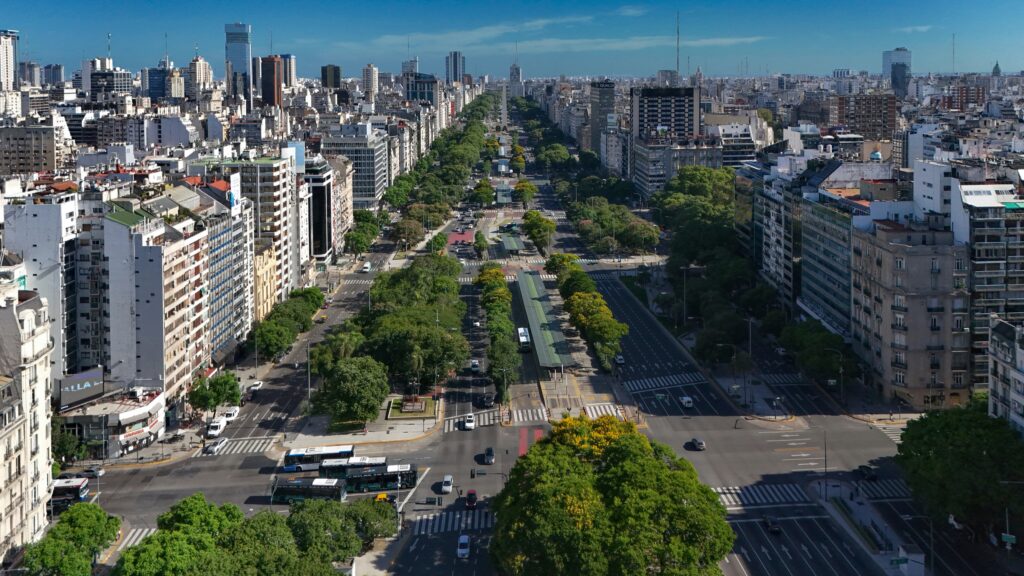
Photo by Juan Pablo Mascanfroni
Buenos Aires: The Paris of South America
Buenos Aires pulses with energy day and night. The Argentine capital blends European elegance with Latin American passion, creating a city unlike any other. Wide boulevards lined with jacaranda trees lead to neighborhoods with distinct personalities. Recoleta showcases Belle Époque architecture and upscale boutiques, while San Telmo's cobblestone streets host antique markets every Sunday. Palermo buzzes with trendy cafés, street art, and parks where families gather for mate and conversation.
La Boca neighborhood brings color to life through its famous Caminito street, where brightly painted houses and tango dancers create a scene straight from a postcard. The area's Italian immigrant heritage shows in the architecture and the passion for football—walking past La Bombonera stadium on match day gives you a taste of Argentine sports culture. The neighborhood's museums and galleries tell stories of immigration, struggle, and triumph that shaped modern Argentina.
Food defines Buenos Aires culture as much as tango. Parrillas (steakhouses) serve perfectly grilled beef that melts in your mouth, while traditional cafés offer medialunas (croissants) and cortados at marble-topped tables unchanged for decades. Families often gather late in the evening—dinner rarely begins before 9 PM—sharing plates of empanadas, provoleta cheese, and bottles of Malbec. Markets like San Telmo and Mercado de San Miguel overflow with fresh produce, artisan cheeses, and local specialties.
The tango isn't just a dance in Buenos Aires; it's a way of expressing emotion and telling stories without words. Milongas (tango halls) welcome visitors to watch or participate in this passionate tradition. Some venues offer beginner lessons before the main dancing begins, making it accessible for families wanting to try something new together. The music, with its melancholic bandoneón melodies, captures the soul of Argentina.
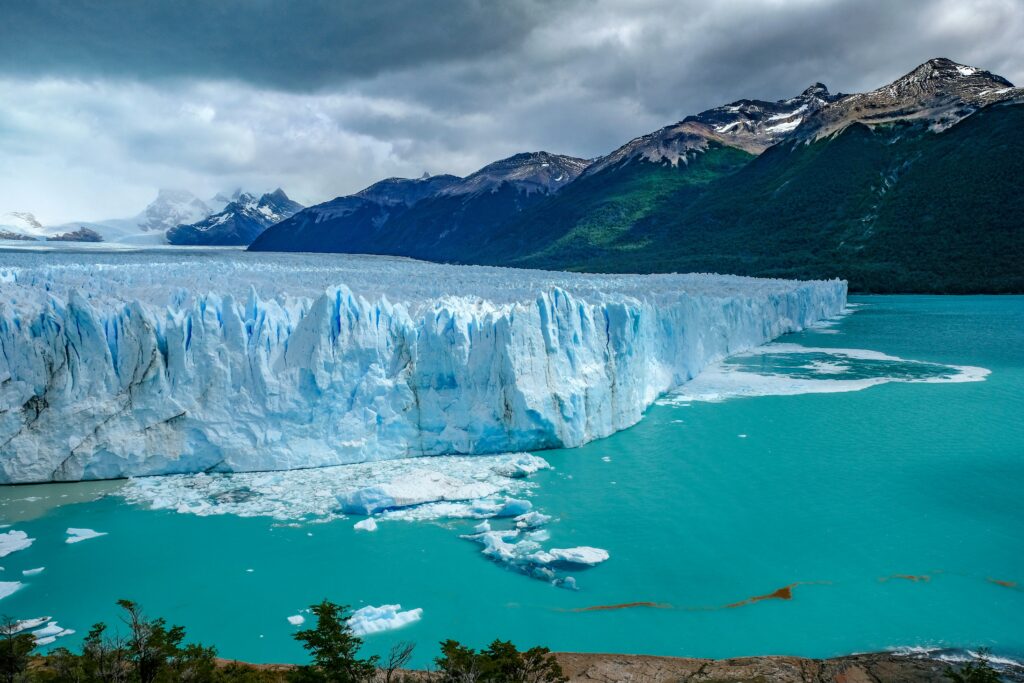
Photo by Hans-Jürgen Weinhardt
Patagonia's Untamed Beauty
Patagonia stretches across southern Argentina, offering some of the world's most dramatic scenery. Jagged mountain peaks pierce the sky, turquoise lakes reflect surrounding glaciers, and vast steppes extend to distant horizons. This region feels wild and remote, yet excellent infrastructure makes it surprisingly accessible for families seeking adventure in spectacular natural settings.
The Perito Moreno Glacier stands as one of Argentina's most iconic sights. Unlike most glaciers worldwide, Perito Moreno actively advances, creating spectacular ice calving events where massive chunks crash into Lake Argentino below. Standing on the viewing platforms, you hear the glacier groan and crack before witnessing tons of ancient ice tumble into the water. The glacier's face rises 60 meters above the lake surface, while another 100 meters extends below the waterline.
El Calafate serves as the gateway to Los Glaciares National Park. This charming town offers comfortable accommodations and restaurants serving Patagonian lamb, providing a perfect base for glacier excursions. The surrounding area produces calafate berries, which locals say guarantee your return to Patagonia if you eat them. Many visitors take this legend seriously, savoring calafate ice cream and jam.
Further north, the Lake District around Bariloche presents gentler Patagonian landscapes. Snow-capped Andes mountains overlook crystal-clear lakes surrounded by forests. The region attracts families year-round—skiing in winter, hiking and water sports in summer. Swiss-style architecture reflects the area's European immigrant heritage, and chocolate shops rival those in Belgium or Switzerland. The scenic Circuito Chico drive offers stunning viewpoints and opportunities to spot condors soaring on thermal currents.
Peninsula Valdés, on the Atlantic coast, provides incredible wildlife viewing opportunities. Southern right whales visit the protected waters between June and December, coming so close to shore you can hear their breathing. Elephant seals, sea lions, and orcas inhabit the coastline, while millions of Magellanic penguins nest at Punta Tombo. The stark beauty of the Patagonian steppe contrasts with the vibrant marine life, creating unforgettable encounters with nature.
Iguazú Falls: Nature's Masterpiece
Iguazú Falls commands respect. This massive waterfall system spans nearly three kilometers, with 275 individual cascades thundering into the gorge below. The Guaraní name means "big water," which hardly captures the overwhelming power and beauty of these falls. Mist rises hundreds of meters into the air, creating permanent rainbows when sunlight hits the spray just right.
The Argentine side of the falls offers extensive trail systems that bring you remarkably close to the cascades. The Upper Circuit provides panoramic views from above, while the Lower Circuit takes you to the base where the sheer volume of water becomes truly apparent. The most dramatic experience comes at the Garganta del Diablo (Devil's Throat), where 14 falls converge in a U-shaped chasm. Standing on the platform suspended over the falls, you feel the ground vibrate and the roar fills your ears.
Iguazú National Park protects not just the falls but thousands of hectares of subtropical rainforest. Walking the trails, you might spot toucans, coatis (small raccoon-like mammals), and countless butterfly species. The forest provides a lush green backdrop to the falls, creating an environment that feels both ancient and vital. The combination of geological wonder and biological diversity earned the park UNESCO World Heritage status.
Adventurous visitors can take boat rides that venture into the spray at the base of the falls—prepare to get completely soaked but exhilarated. The boats navigate through rapids before plunging into the curtain of falling water, an experience that makes you feel tiny against nature's power. Back on shore, the ecological train provides easy access to different trail systems while minimizing environmental impact on this precious ecosystem.
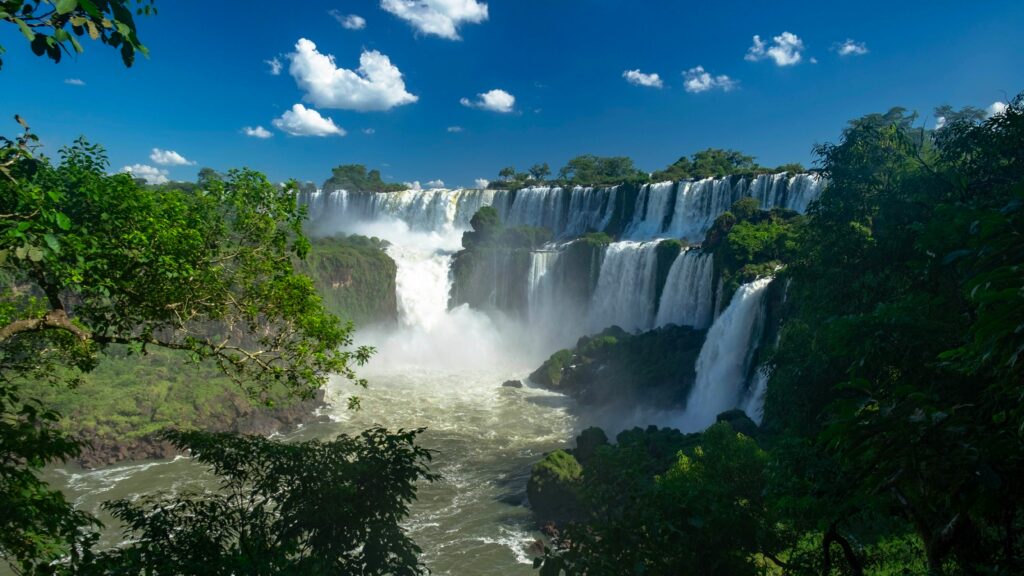
Photo by Derek Oyen
Wine Country and Beyond
Mendoza province sits in the shadow of the Andes, producing wines that rival the world's best. The high-altitude vineyards, some exceeding 1,500 meters elevation, benefit from intense sunlight and dramatic temperature swings between day and night. These conditions create bold Malbecs with deep fruit flavors and velvety textures. The region also produces excellent Cabernet Sauvignon, Bonarda, and Torrontés wines.
Visiting Mendoza wineries provides more than tastings. Many bodegas offer tours showing the entire winemaking process, from vine to bottle. Families can enjoy estate grounds with mountain views while adults sample wines paired with local cheeses and cured meats. The city of Mendoza itself charms visitors with tree-lined streets, outdoor cafés, and proximity to Aconcagua, the highest peak in the Americas.
Northwestern Argentina presents yet another face of the country's diversity. Salta and Jujuy provinces showcase colonial architecture, pre-Columbian ruins, and geological wonders like the multicolored mountains of Quebrada de Humahuaca. Traditional Andean culture thrives here, with indigenous communities maintaining customs and crafts passed down through generations. The contrast between the arid highlands and lush subtropical valleys creates stunning visual variety.
The wine routes extend north from Mendoza into Cafayate, where high-altitude Torrontés grapes produce aromatic white wines. The journey between these wine regions takes you through changing ecosystems and spectacular mountain passes, making the trip itself as memorable as the destinations.
Planning Your Argentine Journey
Argentina's size means choosing which regions to visit requires some thought. Most visitors focus on three or four areas rather than trying to see everything in one trip. Buenos Aires serves as the natural starting point, with excellent domestic flight connections to Patagonia, Iguazú, and Mendoza. The country's tourism infrastructure handles families well, with accommodations ranging from boutique hotels to estancias (ranch stays) that offer authentic gaucho experiences.
Seasons in the Southern Hemisphere reverse from those in North America and Europe. Summer (December-February) brings warm weather perfect for Patagonia hiking and beach visits, though it's also the busiest tourist season. Fall (March-May) offers milder temperatures and beautiful autumn colors in wine country and the Lake District. Winter (June-August) brings ski season to Bariloche and whale watching to Peninsula Valdés. Spring (September-November) sees wildflowers blooming in Patagonia and comfortable weather throughout the country.
Argentine cuisine goes far beyond beef, though the asado (barbecue) remains central to social gatherings. Empanadas vary by region—those from Salta differ significantly from Buenos Aires versions. Dulce de leche appears everywhere, from pastries to ice cream to spreading on toast. Mate, the traditional herbal drink, facilitates social bonding, with friends passing a shared gourd in parks and at gatherings.
Learning a few Spanish phrases enhances the experience, though major tourist areas have English speakers. Argentines appreciate attempts to communicate in Spanish, even broken efforts, and their warmth makes language barriers feel less significant. The local Spanish dialect includes Italian influences and unique vocabulary that sets it apart from other Spanish-speaking countries.
Argentina rewards those who venture beyond the highlights. Small towns in the Andes, estancias on the pampas, and coastal villages along the Atlantic all offer glimpses of Argentine life away from tourist centers. The country's size and diversity mean return visits reveal new facets—the Patagonian steppe in different light, Buenos Aires neighborhoods barely explored, wine regions waiting to be discovered. Each journey through Argentina adds layers of understanding and appreciation for this remarkable country at the southern edge of the world.