During a search for preventive plumbing care, you may have stumbled upon the phrase “trenchless sewer inspection.” It has a sleek, almost futuristic ring to it. A method that checks underground pipes without digging up your yard or cracking the driveway? It almost feels too convenient, so of course it raises questions.
What does trenchless really mean? Are there real advantages, or is it just a buzzword? And how does the process even work if nothing gets dug up? The reality is that the approach is both smart and reliable when done with the right tools and expertise. This article walks you through the details so you can understand how it works, the benefits homeowners appreciate most, and how the entire process unfolds step by step.
What Makes a Sewer Inspection “Trenchless”?
Traditionally, inspecting a sewer line meant digging. If plumbers suspected a crack, clog, or tree root intrusion, sections of the yard might be excavated just to locate the issue. That often led to damaged landscaping, cracked concrete, and days of disruption before the real problem was even confirmed.
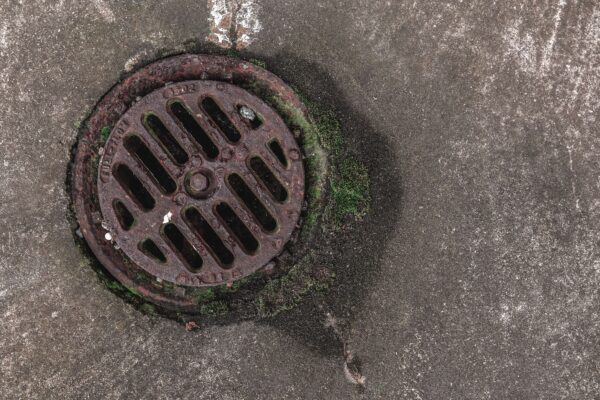
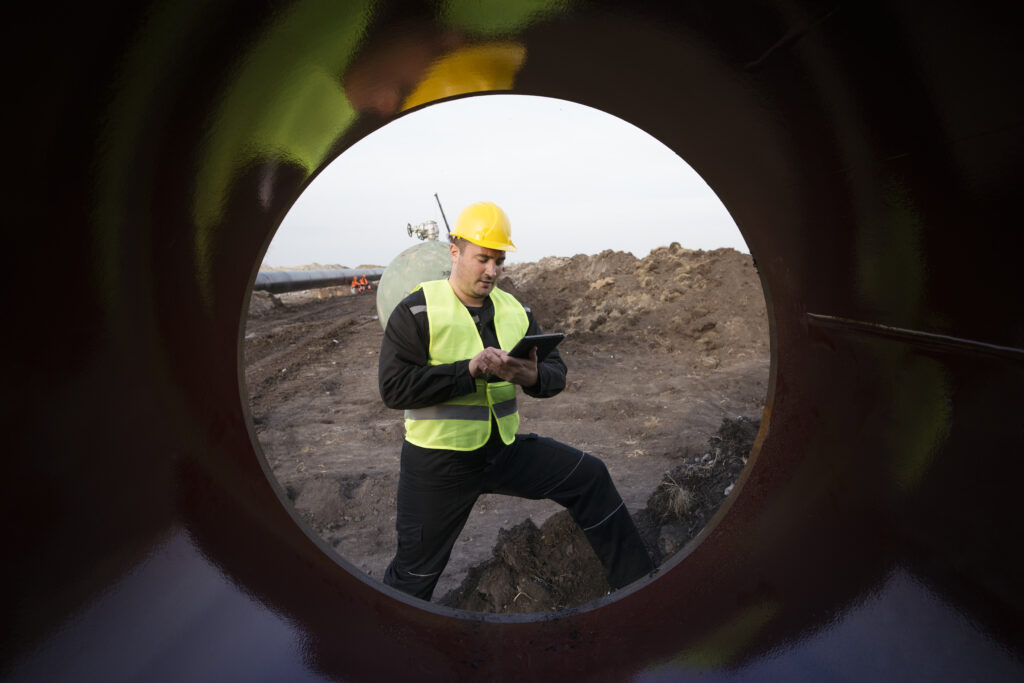
A trenchless sewer inspection changes that completely. Instead of digging, a small waterproof camera is inserted into the sewer line through an existing access point, such as a cleanout. The camera travels through the pipe and sends real-time video footage to a monitor above ground. This allows professionals to see exactly what is happening inside the line without disturbing your property.
This may sound straightforward, yet the process of a trenchless sewer inspection depends on both advanced technology and trained expertise. Skilled teams, such as those at Trenchless Solutions, rely on the latest video camera systems and trained technicians to interpret what they see. This makes it possible to pinpoint specific concerns such as:
• Tree roots growing into joints
• Cracked or collapsed pipe sections
• Heavy buildup causing slow drainage
• Misaligned or sagging pipe areas
The strength of this approach lies in being able to see the problem directly. That visibility removes uncertainty and prevents unnecessary digging. The result is a smarter, less invasive way to understand what is happening underground.
Top Perks of Getting a Trenchless Sewer Inspection
Now that the concept makes sense, the next question is simple. Why choose it? Well, for many homeowners, the answer is rarely just one benefit. It is the combination of less disruption, better accuracy, and smarter planning that draws people in. Each advantage builds on the next, creating a solution that feels both modern and sensible. Here is a closer look at what makes it worth considering.
No Damage to Your Yard or Driveway
One of the biggest worries people have about sewer work is the destruction that comes with it. Digging trenches often means torn-up grass, broken concrete, and weeks of cleanup. A trenchless inspection removes that fear. Because the camera enters through an existing access point, there is no need to excavate large sections of your property. Your landscaping stays intact, and your home looks exactly the same when the inspection is finished.
Clear Answers Instead of Guesswork
Sewer problems can be frustrating because the symptoms rarely tell the full story. A slow sink drain might point to a clog, but it could also signal a cracked pipe or root intrusion deeper in the line. With a camera inspection, you are not relying on assumptions. The footage shows the exact condition of the pipe, which means decisions are based on facts. That clarity can prevent unnecessary repairs and help target the real issue right away.
Faster Diagnosis, Less Disruption
Time matters, especially when plumbing problems start interfering with daily life. Traditional exploratory digging can take days before the actual issue is located. This newer method, on the other hand, provides real-time visibility. Technicians can identify problems quickly and explain them clearly. That efficiency often shortens the overall repair timeline and reduces the stress that comes with ongoing uncertainty.
How the Trenchless Sewer Inspection Process Works
Curious about what actually happens on the day of the inspection? The process is usually straightforward and surprisingly quick.
First, the technician locates an access point to the sewer line. This is often an exterior cleanout or another entry spot that allows safe camera insertion. Once the camera is fed into the pipe, it begins transmitting live video to a monitor.
As the camera moves through the line, the technician watches carefully for warning signs. Common issues include early freezing stages, cracks, root intrusion, corrosion, pipe clogs and blockages, and low spots where water collects. Because the camera is flexible, it can navigate bends and turns within the pipe.
The inspection often includes:
• Recording the footage for review
• Measuring the depth and location of any damage
• Explaining findings in simple, clear terms
In many cases, the entire inspection can be completed in under an hour, depending on the length and condition of the sewer line. Afterward, you are not left guessing. You know what is happening beneath your home and what steps, if any, should come next.
Wrapping Up
Sewer lines are easy to ignore until something goes wrong. Yet the damage they cause can be costly and stressful. A trenchless sewer inspection offers a smarter way to understand what is happening underground without disrupting your home above.
By using a simple camera system instead of excavation, you gain clarity, save time, and protect your property. And when you know what is happening beneath your feet, decisions feel less overwhelming and far more manageable.