
A car accident in Las Vegas doesn’t end when the vehicles stop moving. For most people, the real consequences unfold in the hours, days, and weeks that follow—often quietly. Shock fades, adrenaline drops, and decisions made too quickly begin to matter more than the crash itself. Unfortunately, many people unintentionally weaken their own position after an accident, not because they are careless, but because they do not know what actually matters in the aftermath.
Studies show that a large percentage of injury claims are delayed or denied due to avoidable missteps taken early on. These mistakes range from saying the wrong thing to insurers to waiting too long to document injuries.
Hence, understanding the most common post-accident errors—and how to avoid them—can make a critical difference in protecting your health, your finances, and your legal rights.
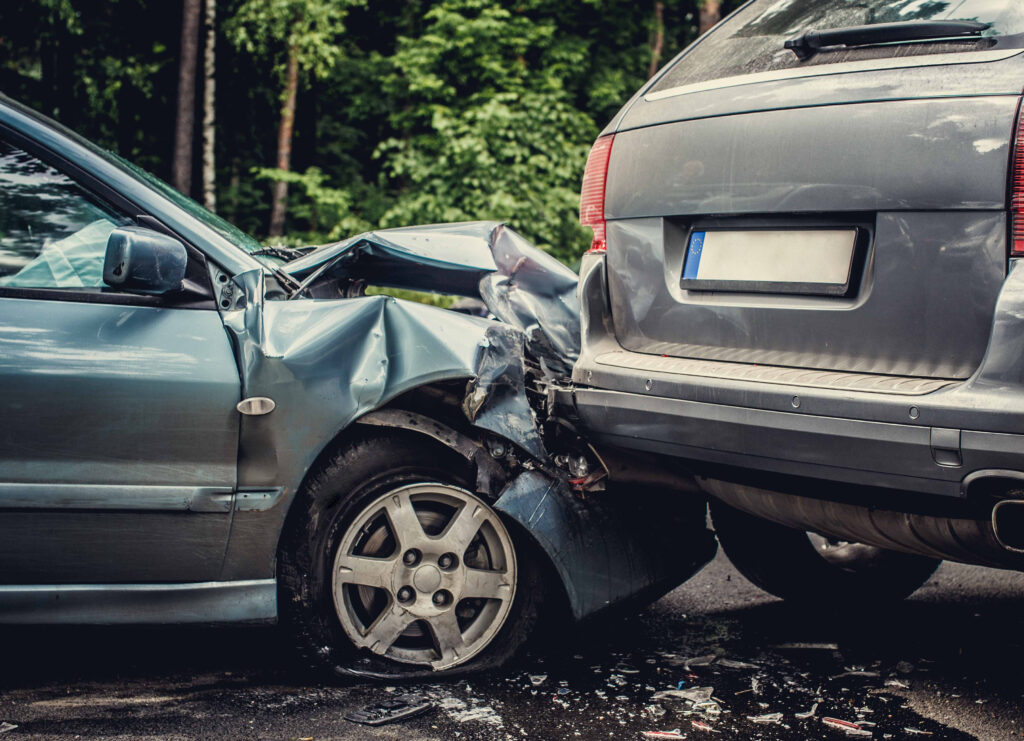
Mistake #1: Downplaying the Accident or Your Injuries
One of the most common mistakes people make after a crash is assuming that if they “feel okay,” the accident wasn’t serious. However, many injuries—such as whiplash, soft-tissue strain, or internal impact—can take hours or even days to surface. When medical evaluation is delayed, proper documentation is often missing, which can complicate things later. This is why understanding the legal and medical importance of early action matters.
How to avoid it:
• Seek medical evaluation even if symptoms seem mild.
• Follow up if pain or stiffness appears later.
• Keep copies of all medical records.
Early documentation creates a clear link between the accident and your injuries. Moreover, people involved in accidents also seek clarity from a car accident lawyer in Las Vegas to better understand how timing, medical records, and injury reporting affect their case overall. Reliable firms like Cogburn Davidson Injury Lawyers often emphasize the importance of early medical attention and accurate documentation—not just for recovery, but for protecting one’s rights from the very beginning.
Mistake #2: Talking Too Freely at the Scene
In the aftermath of a crash, people often apologize, speculate, or try to be polite. While this is human nature, it can unintentionally be interpreted as an admission of fault. Common risky statements include:
• “I didn’t see you.”
• “I’m probably fine.”
• “It was partly my fault.”
These remarks can be taken out of context later, especially by insurance adjusters.
How to avoid it:
• Exchange basic information only.
• Avoid discussing faults or injuries.
• Let official reports and professionals handle conclusions.
What you say in the first few minutes can echo throughout the entire claim process.
Mistake #3: Failing to Document the Scene Properly
Many people rely solely on police reports, assuming they will capture everything accurately. While police reports are important, they may not include all relevant details. Missing documentation often includes:
• Road conditions.
• Vehicle damage angles.
• Visible injuries.
• Traffic signals or signage.
How to avoid it:
If you are physically able:
• Take photos and videos of the scene.
• Capture multiple angles and distances.
• Collect witness contact information.
Visual evidence preserves facts that memories can not reliably hold onto.
Mistake #4: Giving Recorded Statements Without Understanding the Impact
Insurance adjusters may request recorded statements shortly after an accident. These conversations can feel casual, but they are often used to identify inconsistencies or minimize claims.
Adjusters may ask:
• Leading or repetitive questions.
• Questions while you’re still in shock.
• Questions about prior injuries.
How to avoid it:
• Understand that you’re not required to rush into a statement.
• Keep responses factual and minimal.
• Seek professional guidance before recorded discussions.
Once a statement is recorded, it can not be taken back.
Mistake #5: Accepting a Quick Settlement
Early settlement offers can be tempting—especially when medical bills start arriving. However, quick offers are often made before the full extent of injuries or long-term costs are known. What early settlements often fail to include:
• Future medical treatment.
• Physical therapy or rehabilitation.
• Lost earning potential.
• Long-term pain or limitations.
How to avoid it:
• Wait until medical treatment stabilizes.
• Understand the full scope of damages.
• Avoid signing anything under pressure.
A fast resolution is not always a fair one.
To Sum It All Up!
The moments after a car accident are often overwhelming, and mistakes made during this period are usually unintentional. However, these missteps can carry long-term consequences for both health and financial recovery.
By understanding common errors—such as downplaying injuries, delaying treatment, or speaking too freely—you can take practical steps to protect yourself. Awareness, documentation, and timely action are the foundations of a smoother recovery process. Knowing what not to do after an accident is just as important as knowing what to do.