Have you ever driven past a house and immediately thought it looked well cared for, even before noticing the details? That reaction usually starts with the exterior. The outside of a home signals durability, comfort, and long-term value.
In places like College Grove, TN, the exterior carries even more weight. The area experiences hot, humid summers, steady rainfall, and seasonal storms that test siding, trim, and structural elements year after year. Winter may be milder, but temperature shifts and moisture still take their toll. These conditions can affect the property’s exterior visually and also impact how buyers judge its condition. Homes with thoughtfully maintained exteriors tend to stand out visually and financially. When your property holds up well against the local climate, better property value often follows.
Smart improvements are about making choices that protect the home while increasing its appeal and longevity.
Why Exterior Improvements Matter More Than You Realize
Exterior updates often get delayed because they feel less urgent than interior changes. A kitchen remodel feels immediate. New flooring feels personal. Exterior work can seem distant until a problem becomes visible. What many people don’t realize is that the exterior of a house is the property’s primary defense. It absorbs heat, wind, and moisture every day. Well-planned exterior improvements help prevent those problems. They also shape how a home is perceived. Appraisers and buyers often form opinions before stepping inside. A solid, clean exterior suggests care and attention. That impression can influence everything that follows.
Choosing the Right Expertise for Structural Exterior Decisions
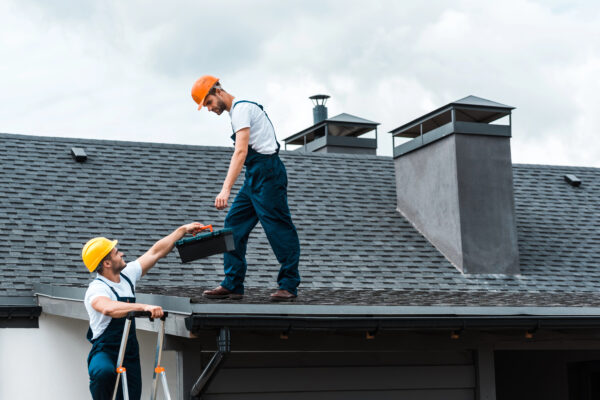
Some exterior projects are cosmetic. Others affect the structure and long-term stability of the home. Knowing when to seek specialized guidance matters. For instance, homeowners must consult a professional College Grove, TN roofer when evaluating the condition of their roofs, especially after seasons of heavy rain or intense heat. This kind of professional insight can help identify vulnerabilities that are not always obvious from the ground. Issues with flashing, ventilation, or surface wear may connect to broader exterior concerns such as siding integrity or water drainage.
The goal is not promotion. It is understanding. A qualified professional can point out how different exterior elements interact and where improvements will have the greatest impact. That clarity helps homeowners make informed decisions rather than reactive ones.
Small Curb Appeal Updates That Create a Strong First Impression
Not every improvement requires major construction. Some of the most effective changes are modest in scope. Fresh paint on trim can change how a home feels without altering its structure. Updating exterior light fixtures can improve both safety and appearance. Even replacing worn house numbers or a dated mailbox can subtly modernize the façade. These updates are often overlooked because they seem minor. Yet together, they shape how the home is experienced from the street. The effect is cumulative, and the investment is usually manageable.
Durable Siding Choices That Stand the Test of Time
Siding plays a major role in protecting a home from the elements. It also defines much of its visual character. Choosing materials that balance durability with appearance is key. Some homeowners prioritize low maintenance. Others focus on texture or color options. What matters most is how the siding performs over time. Materials that resist moisture absorption and temperature stress tend to age more gracefully.
Installation quality is just as important as material choice. Poor installation can undermine even the best products. Properly installed siding supports insulation, reduces drafts, and limits moisture intrusion. These benefits are not always visible, but they influence comfort and long-term costs.
Windows and Doors That Improve Comfort Without Overcomplicating Design
Windows and doors affect daily living. Drafts, condensation, and heat transfer are often traced back to aging or poorly sealed openings. Upgrading these elements can improve indoor comfort without dramatically changing the home’s appearance. Modern designs offer cleaner lines and better sealing while still blending into traditional exteriors. Some homeowners notice immediate changes in how rooms feel. Others appreciate the reduction in outside noise. Over time, improved efficiency can also ease strain on heating and cooling systems.
Outdoor Living Features That Add Functional Value
Exterior improvements are not limited to protective features. Outdoor living spaces have become a meaningful extension of the home. A well-designed deck or covered patio adds usable square footage without expanding the home’s footprint. These spaces support everyday activities, not just special occasions. Morning coffee, quiet evenings, and casual gatherings all benefit.
The key is restraint. Features should feel integrated, not added on. When outdoor spaces align with the home’s scale and layout, they enhance both function and value.
Landscaping and Hardscaping That Support the Structure
Landscaping is often viewed as a finishing touch, something added once the major exterior work is done. In reality, it plays a much more practical role. The way soil is graded and how plants are placed can influence how water moves around a home. When grading is uneven or vegetation becomes overgrown, moisture may collect near the foundation without being noticed right away.
Well-planned landscaping works with the home, not against it. Features such as walkways, low retaining walls, and subtle edging can help direct water away from vulnerable areas. Choosing plants that naturally thrive in the surrounding conditions also makes upkeep easier over time. These details rarely stand out on their own, but together they help protect the structure and support the home’s long-term condition.
Thinking Long Term About Value and Maintenance
Smart improvements reduce future stress. A home that resists weather, drains properly, and holds its appearance over time costs less to maintain and feels more stable to live in. Value is not always immediate. Some benefits appear gradually through fewer repairs and steadier performance. Others emerge when the home is evaluated by buyers or appraisers. Planning with longevity in mind helps avoid repeated fixes. It also encourages homeowners to invest where it counts most.
Contrary to what many believe, exterior improvements affect how a home performs. They’re not limited to a property’s aesthetics. The right upgrades protect against environmental wear, support comfort, and quietly increase value over time. They focus on durability rather than trends. By approaching improvements with intention, homeowners create spaces that hold up to daily use and changing seasons while remaining appealing for years to come.