Busy lives need energy, focus, and flexibility. Long workdays, family duties, and social events often clash. This leaves little time for personal goals or recovery. Many people try to stay active and eat well, but still feel drained by day’s end. Fatigue can build up quietly when routines get tough, and rest feels scarce. Hydration is key for daily energy, but it often gets ignored in busy schedules. When fluid intake dips, the effects may show up slowly as less focus or slower recovery.
Wellness choices are influenced by location and daily life. In places like Maine, the changing seasons and active lifestyles need steady energy. Access to wellness options and flexible care can help during hectic times. Knowing how hydration supports modern lifestyles helps people make smart choices. This article discusses how intravenous hydration can increase energy levels. It does this without interrupting daily activities.
Why Hydration Influences Daily Energy
Drinking enough water is important for how our bodies work and make energy. Fluids help with blood flow, deliver nutrients, and keep our body temperature steady. When we don’t drink enough, we might feel tired or have trouble focusing. These feelings can start small but can build up over time. Staying hydrated helps us perform better both physically and mentally, especially on busy days.
Busy lives can make it hard to notice when we need more water. Long meetings, traveling, or exercising can make us forget to drink. Many people grab coffee or snacks to feel energized. While these can help for a little while, they don’t fix the need for water. Knowing this can help us understand why we might feel tired even if we usually eat well.
How It Supports Busy Lifestyles
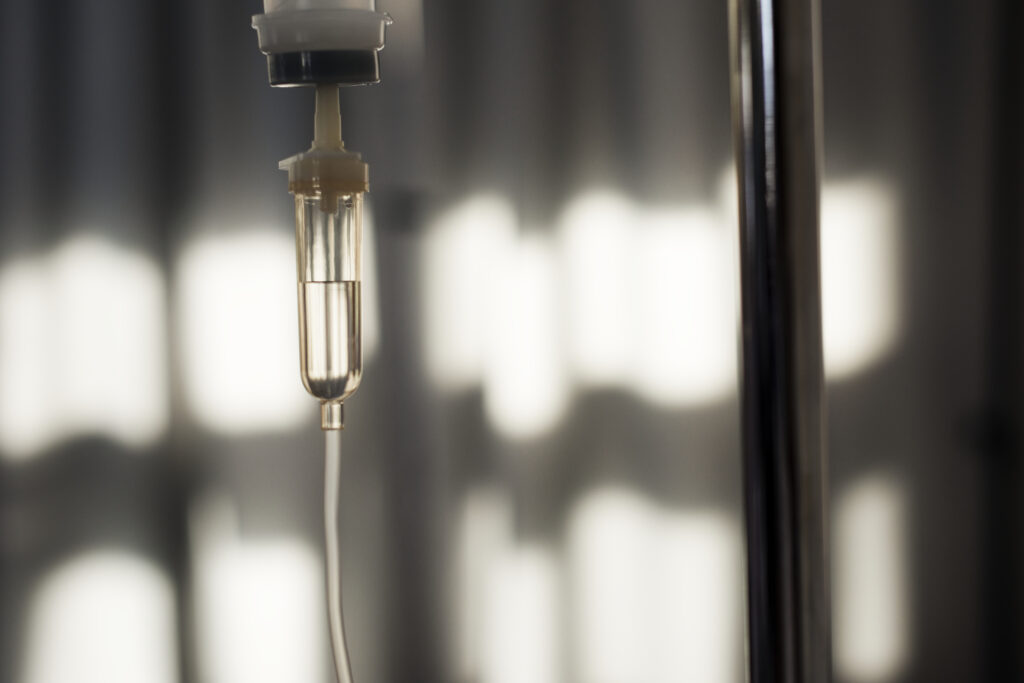
Balancing a busy lifestyle can make it tough to stay hydrated. Long work hours, family obligations, and packed schedules often push hydration down the list of priorities. When you don’t drink enough, energy and focus can take a hit. Intravenous hydration offers a smart solution by delivering fluids directly, so you don’t have to think about drinking all day. This method is perfect for those who appreciate efficiency and predictability in their routines.
For example, those exploring intravenous therapy in Maine often look for options that align with modern wellness routines. Clinics such as Maine Plastic Surgery approach intravenous hydration with an emphasis on comfort, clear guidance, and scheduling flexibility. This allows individuals to support energy levels without rearranging daily responsibilities. When fluid support fits naturally into routine life, consistency becomes easier to maintain.
When This Approach May Be Helpful
Certain situations increase the body’s demand for fluids and nutrients. Travel, seasonal changes, physical exertion, and long workdays can all affect fluid balance. During these times, traditional intake habits may not feel sufficient. Recognizing these moments allows individuals to respond proactively rather than waiting for fatigue to build. Energy dips may appear faster during demanding weeks without clear warning signs. Subtle dehydration can influence focus, stamina, and overall comfort.
This approach is best viewed as situational support rather than a daily requirement. Planning fluid support around high-demand periods helps prevent burnout. Clear expectations around timing and recovery support smoother experiences. When used responsibly, intravenous hydration becomes part of a balanced wellness strategy rather than a quick fix. Intentional use allows individuals to stay aligned with long-term health goals. Flexibility makes it easier to adapt support to changing routines.
Considerations Before Trying It
Thoughtful planning is essential before choosing any wellness support. Individual health history, lifestyle needs, and personal goals should guide decisions. Understanding what the process involves helps set realistic expectations. Conversations with qualified providers clarify suitability and safety. Asking questions supports informed participation in the process. Clear communication reduces uncertainty before scheduling sessions. Preparation helps ensure comfort and confidence.
It is also important to remember that fluid-based support works best alongside healthy habits. Balanced nutrition, regular water intake, and adequate rest remain essential. Intravenous hydration complements these habits rather than replacing them. When decisions are informed and intentional, wellness support feels supportive rather than overwhelming. Sustainable routines depend on consistency, not just occasional treatments. Long-term balance supports better overall wellbeing.
Conclusion
Supporting energy during busy lifestyles requires thoughtful choices and balance. Hydration plays a meaningful role in how the body manages daily demands. Intravenous hydration offers an option for periods when schedules feel especially demanding. Clear guidance and responsible use support better outcomes. When wellness choices align with real-life routines, consistency improves. Informed decisions help individuals maintain energy without unnecessary disruption. Thoughtful planning encourages steady progress rather than quick fixes. Long-term comfort benefits from realistic expectations. Balanced approaches support both energy and wellbeing.