The teenage years can feel like you're on a bit of a runaway train. They have school, sports, homework, clubs, and family obligations all vying for their attention. Self-care can very easily fall to the very bottom of the list in the midst of this never-ending rush.
However, it is during adolescence that healthy habits become most important. Adolescents are developing fast, with emotional shifts and habits that will accompany them to their adult lives.
The good news? Self-care is not necessarily complex and time-consuming. Even during the busiest week, with small and regular steps, families can help teens create routines that aid their physical and emotional health.
These are just a few of the easy and practical self-care practices that can be incorporated into a family's daily life.
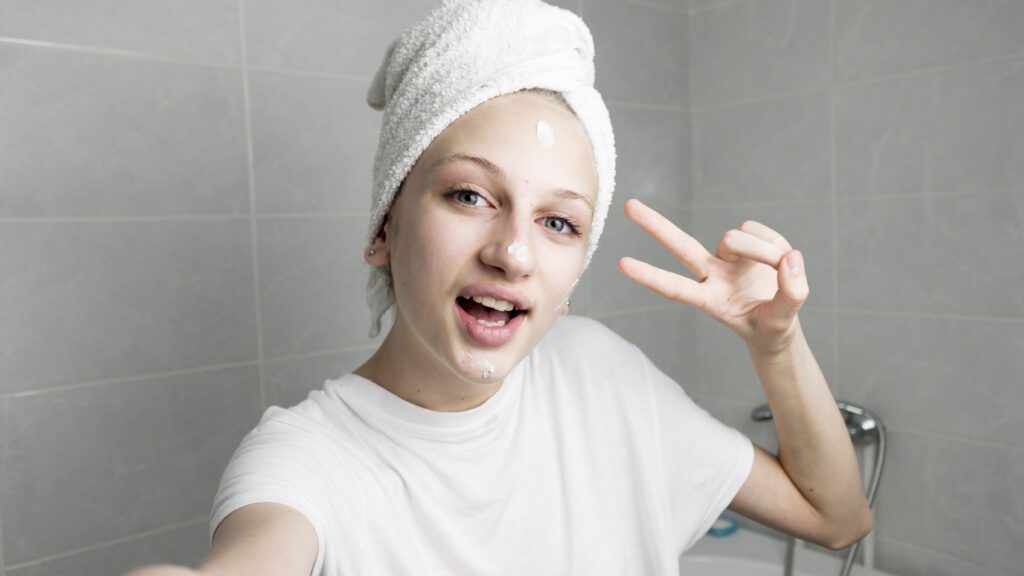
Simplify Morning Routines
Late nights and hasty mornings are common for teens. That's why it is better to keep the morning routine basic so that teenagers can begin the day on a good note.
A realistic schedule can include:
• A few minutes of washing and skincare.
• Brushing teeth and hair.
• Drinking a glass of water before leaving the house.
• Having a light, balanced breakfast.
Keeping necessities in a single accessible location, such as a small bathroom organizer, can help ease morning stress and educate teens to be responsible for their everyday hygiene.
Promote Skin-Friendly, Clean Products
Teens have sensitive skin, changes in odor, and irritation due to sweat, hormones, and school activities.
A family doesn't need large quantities or many different products. They just need the right ones.
A simple teen-friendly kit can consist of:
• A gentle face cleanser
• Mild moisturizer
• Natural deodorant
• A hydrating body wash
• Sunscreen for daily use
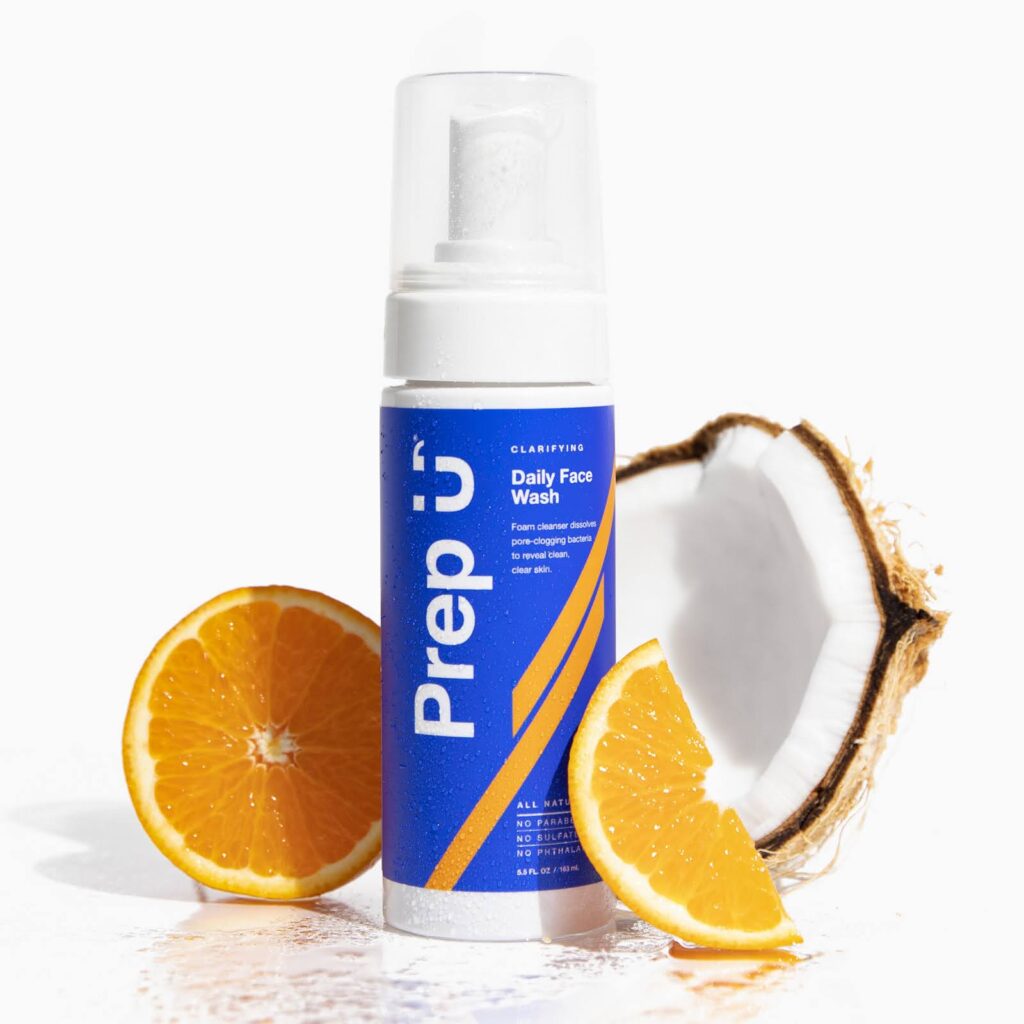
Many parents prefer choosing cleaner, non-toxic body products that are safer for developing skin and free from unnecessary chemicals. Your teen might not read the labels, but their skin will show the results. That is particularly true when they are growing and developing quickly.
Create Evening Habits That Are Quick and Manageable
For most teens (especially boys), it is unrealistic to think you'll create a long, complex routine for them to follow. That's why a quick one you can get them to adhere to will be more effective.
Attempt a basic three-step evening schedule:
1. Get them to start by splashing water on their face to wash away sweat and dirt.
2. Rub on a moisturizer or acne treatment that is teen-safe.
3. Pack away clothes, sports equipment, or school supplies in anticipation of the following day.
Teenagers prefer it when they know what they will get, and this routine does not last more than ten minutes. These measures will also become automatic with time. As a result, it should reduce the frequency of breakouts, body odors, and hurried mornings.
Create a Weekly Reset Ritual
The busiest families can have time to re-establish their routine at least once a week. A weekly clean-up helps prevent the accumulation of little hygienic chores.
Examples include:
• Washing pillow cases and sheets
• Washing and drying of sporting equipment
• Cleaning reusable water bottles
• Arranging backpacks and gym bags
• Refilling personal care products
A simple weekly reset can help teens believe they have more control over their surroundings and hygiene; it's a key psychological pillar during this transition in life.
Teach Healthy Hygiene for Active Lifestyles
A lot of teens are engaged in sports, dancing, gym training, or outdoor activities. All that movement can result in more sweating. With more sweat, your teen may experience issues with body odor, acne, and skin irritation. Unless you help them deal with it.
Encourage habits such as:
• Showering after sports
• Wearing fresh socks daily
• Washing uniforms regularly
• Cleaning their face after physical activity
• Allowing shoes to dry outside
These routines do not demand a lot of extra time; just consistency.
Turn Mental Wellness With Micro-Breaks
Self-care does not just entail hygiene. Adolescents are experiencing unprecedented pressure and distractions of the digital world at school, and, therefore, emotional stability is equally vital.
That's where micro-breaks can be your teen's best friend. Teach them about taking periods of deep breathing. Encourage them to get up and stretch between working on homework assignments. Get your teen to take a short walk after dinner and limit their screen time before bed. These small practices can go a long way toward improving mental wellness for teens.
Even a few minutes of rest will help make homework, hobbies, or exercise more productive.
Make Eating a Part of Self-Care
A family doesn't need to have a complete overhaul of their meal plans to promote wellness. It's small decisions that can go a long way.
Get your teen to:
• Increase their daily water intake.
• Snack on fruits and nuts.
• Eat balanced meals.
• Limit sugary sports drinks and snacks after a practice session.
These modifications increase energy levels and help maintain the health of the skin while decreasing inflammation.
Teen-Friendly Sleep Habits
Teenagers require more sleep than adults (8 or 10 hours). However, most teens do not meet these needs. Things like homework, screens, and school schedules often get in the way.
Easy methods of improving sleep are:
• Turn off the lights an hour before sleep.
• Keep electronic devices outside the bedroom at night.
• Develop a regular sleeping pattern.
• Make the night relaxing, such as reading or light stretches.
When kids sleep better, they'll have better moods, feel better, and be healthier.
Keep Communication Open
A product or a routine is not the most significant aspect of teen self-care, but rather support. When teens are heard and understood, chances of taking care of themselves increase many times over.
Parents can help by asking open-ended questions and being non-judgmental. They should also encourage independence. It is also good to educate your kids about healthy habits.
Another idea is to show your teen your healthy habits.
Simple Works
We aren't aiming for perfect. Teens have a lot going on, and families are busy. You want to create self-care routines and habits that are effective and manageable. Simple, consistent practices are easier to stick to and can set teens up for better lifelong health.