Maintaining your heating and cooling system is vital for ensuring comfort and energy efficiency throughout the year. A well-maintained HVAC system saves you money on energy bills and extends the life of the unit. Here are expert tips on how to keep your heating and cooling system in top condition.
Regularly Change or Clean Your Air Filter
One of the simplest yet most effective ways to maintain your heating and cooling system is to change or clean your air filter regularly. A dirty filter reduces airflow, forcing the system to work harder, which can lead to increased energy consumption and premature wear.
You should check your filter monthly and change it every three months or sooner if it looks clogged. Different filter types have varying lifespans, so refer to the manufacturer's recommendations for specific guidance. Ensuring the filter is clean boosts indoor air quality. Dirty filters can harbor dust, pollen, and allergens, impacting the health of individuals with respiratory conditions.
Invest in higher-efficiency filters that can capture smaller particles. The team behind GreenBoots Heating and Air says that proper air filtration translates to cleaner air and more efficient operation of your HVAC system. Neglecting a clogged filter can lead to hefty repair costs. A strained system can cause overheating or even breakdowns that require professional attention.
Make it a habit to create reminders in your calendar to regularly check and replace these filters. This small effort can pay off significantly by enhancing the efficiency of your system and decreasing the need for costly repairs.
Schedule Annual Professional Inspections
Professional inspections play a vital role in maintaining your heating and cooling system. Experts recommend scheduling annual inspections, preferably before the seasons change. During these appointments, technicians can identify potential issues before they escalate.
They check critical components such as thermostats, electrical connections, and refrigerant levels. Professional HVAC technicians typically conduct a comprehensive cleaning of key components. A thorough cleaning helps remove debris and dust buildup that can hinder your system's performance.
They can spot wear and tear and provide preventative maintenance tips tailored to your specific system. Don’t overlook the benefits of these inspections, as they often come with warranties and maintenance plans that provide an additional layer of reliability.
A little investment in annual check-ups can save you significant money down the line. According to industry research, regular inspections can improve system efficiency by up to 30% and help extend the lifespan of your equipment. Keeping a well-maintained AC ensures that your system runs smoothly and efficiently, preventing small issues from becoming costly repairs. Regular maintenance also optimizes energy usage, saving you money on your utility bills. Choose a reputable HVAC provider and think about joining a service agreement program for consistent maintenance and peace of mind that your system remains in optimal condition.
Keep Your Outside Units Clear of Debris
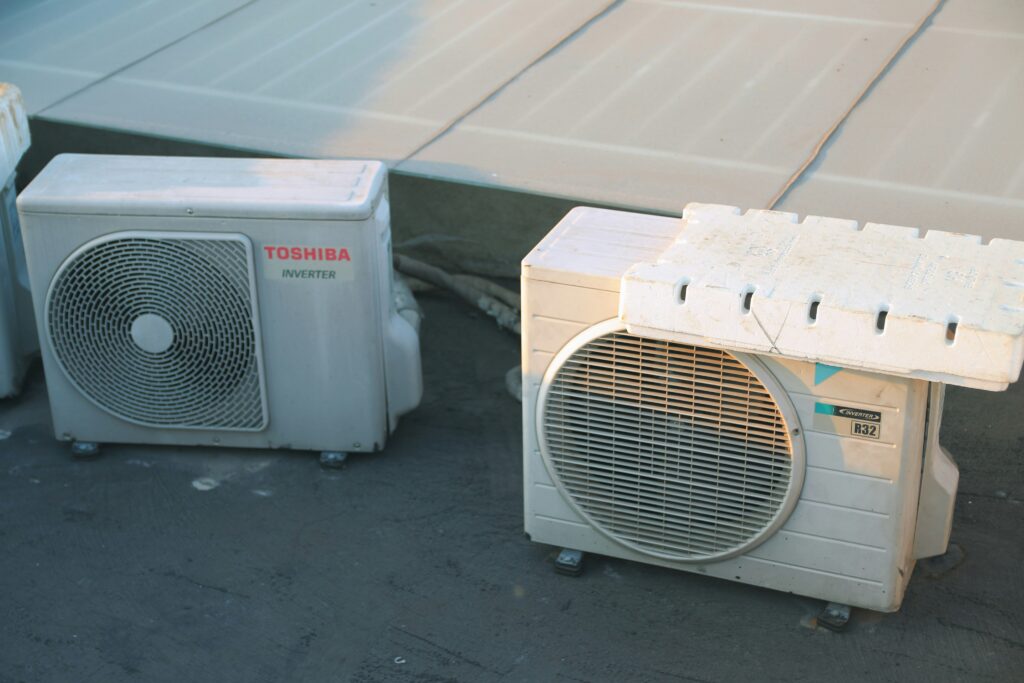
The outdoor unit of your heating and cooling system needs attention since it's exposed to the elements. Keeping the area around your outdoor unit free of debris is vital for optimal airflow.
Leaves, dirt, and debris can accumulate around the unit, obstructing airflow and causing it to work harder. Ensure at least two feet of clearance around the unit from plants, furniture, and any other structures or debris.
Check for items that might have blown in during storms. Trimming any bushes or vegetation that grows too close will further enhance airflow. Pay attention to any accumulation of snow or ice during the winter months that could impede performance.
Proper outdoor unit maintenance aids in airflow and ensures longevity. Regularly cleans the unit by gently spraying it down with a hose. Exercise caution to avoid damaging internal components. A clean outdoor unit operates more efficiently, leading to cost savings on energy bills.
Utilize Programmable Thermostats
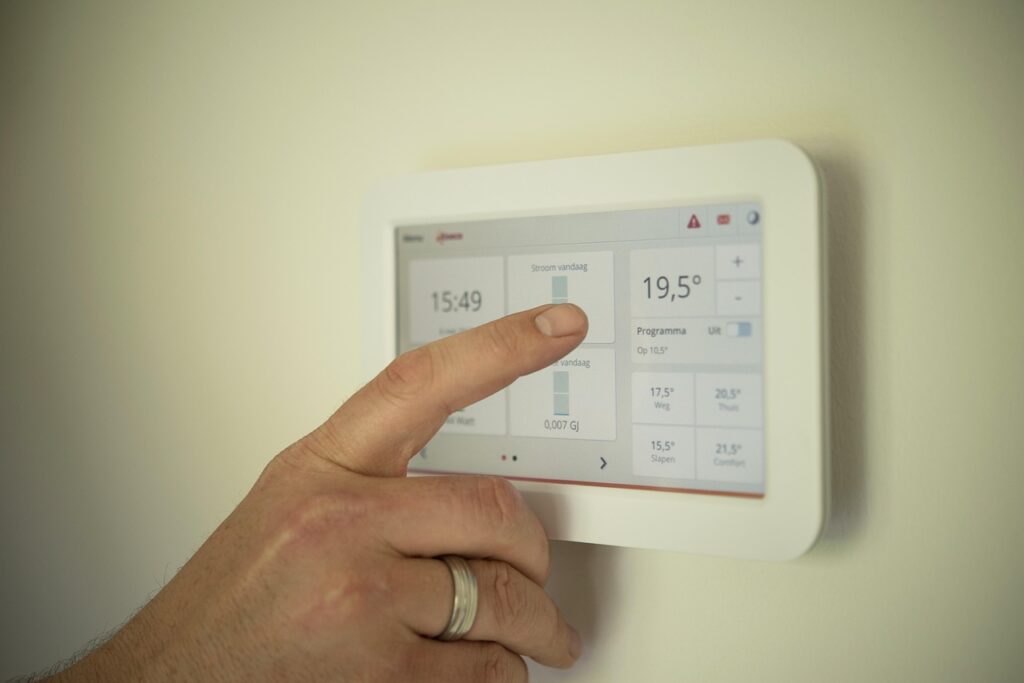
Programmable thermostats are invaluable tools for optimizing your heating and cooling system's efficiency. They enable you to set specific temperatures according to your schedule, ensuring that your home remains comfortable without unnecessary energy expenditure.
With a programmable thermostat, you may efficiently lower energy use by adjusting the temperature while you're away. For the best results, program your thermostat to lower the temperature during the winter nights and raise it in the summer when you are away at work or on vacation.
This simple adjustment can significantly reduce energy consumption, potentially lowering heating bills by as much as 10-30%. Smart thermostats offer intuitive features like learning your schedule and adjusting accordingly. Installing a programmable thermostat might require some initial investment, but the long-term savings may outweigh these costs.
Many modern systems come with compatibility for smart home technology. Connect your thermostat to your home automation system and gain the ability to control temperatures remotely from your smartphone or tablet.
Insulate Ductwork and Seal Leaks
Ductwork insulation and sealing leaks play an important role in improving the efficiency of your HVAC system. Uninsulated or poorly insulated ducts can waste a significant portion of conditioned air.
According to the U.S. Department of Energy, homes can lose up to 30% of conditioned air due to leaks in the ducts. Investing in duct insulation and sealing leaks can have a profound impact on the system's performance. To ensure ductwork efficiency, inspect your ducts periodically for visible leaks at connections and transitions.
A simple application of duct tape can remedy small leaks, but in some cases, a more thorough sealing may require professional attention. Insulating ducts located in unconditioned spaces, like attics or basements, will prevent energy loss and improve indoor comfort.
Many energy efficiency programs encourage homeowners to invest in proper duct sealing and insulation. Reputable contractors can conduct a thorough analysis of your system, offering solutions to improve airflow and efficiency.
Insulated and sealed ducts ensure that your heating and cooling system operates at its optimal performance level, reinforcing energy efficiency within your home.
Monitor and Adjust System Settings Regularly
Regularly monitoring and adjusting your HVAC system settings is vital for maintaining efficiency. Take some time to familiarize yourself with your system's capabilities and settings. Optimizing these settings prevents unnecessary wear and enhances comfort.
If your system features multiple settings for varying levels of air conditioning or heating intensity, utilize them according to your preferences. Some systems even provide options, such as circulation modes, which offer better air quality in exchange for minor adjustments in energy consumption.
Always monitor utility bills to detect any anomalies that may indicate inefficiencies in your system. Don’t hesitate to seek professional assistance when you notice fluctuations that seem unusual. Maintaining a regular log of settings or adjustments provides insights into what works best in terms of comfort and efficiency. Keeping records will help track if the system requires additional attention or if it’s performing optimally.