
Starting Small, Living Smart
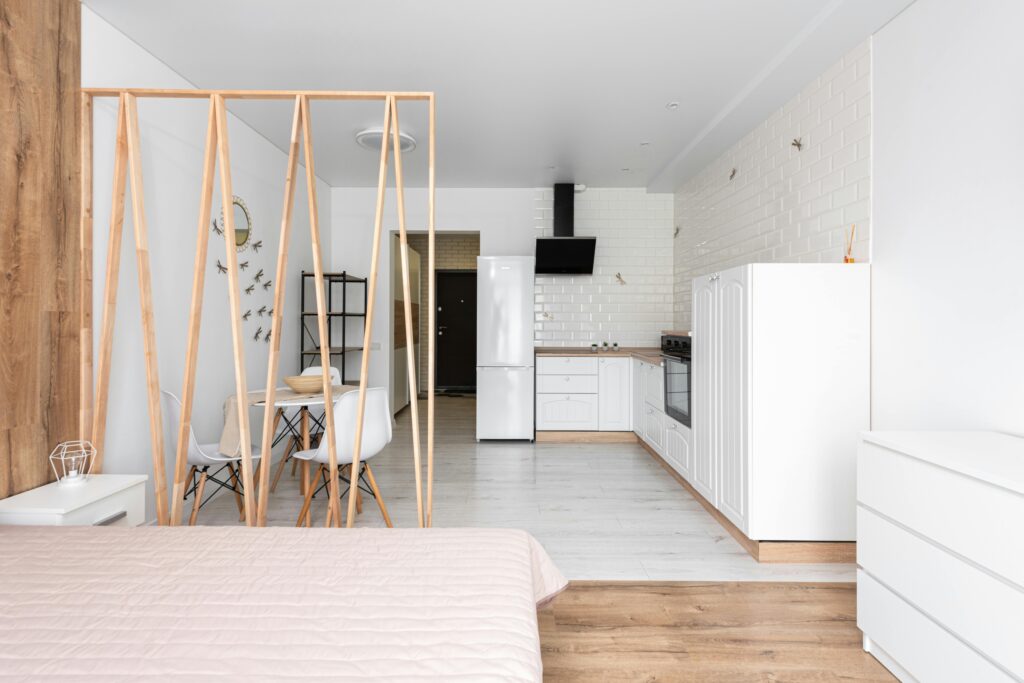
Studio apartments often get a reputation for being “starter homes,” but many people are drawn to them for more than affordability. They’re easier to clean, often located in lively neighborhoods, and can feel surprisingly cozy if arranged well. Still, the limited square footage doesn’t mean your financial worries shrink with the walls. Rent and utilities can add up quickly, sometimes faster than you expect.
That’s where a bit of strategic budgeting comes in. Think of it less like strict financial dieting and more like learning the rhythm of your expenses. Once you understand what’s predictable and what fluctuates, you can breathe easier when the electric bill shows up.
Breaking Down the Rent
Rent is usually the largest line item in a studio dweller’s budget, so it deserves top attention. A common rule is to keep rent under 30 percent of your monthly income. Simple enough, right? But when you live in a competitive city, 30 percent can feel like a joke. In places like New York or San Francisco, plenty of tenants spend closer to 40 or 50 percent.
If you’re stuck in that higher range, the key is adjusting elsewhere. Maybe you skip the luxury internet package or keep your subscription list trimmed down to one or two services. Some renters even take advantage of seasonal offers from landlords, since signing a lease in the slower winter months can score you a lower rate. It’s not always possible, but if you have flexibility, timing can work in your favor.
Utilities: Predictable Until They’re Not
Utilities in a studio tend to run lower than in larger spaces, but don’t assume they’ll be negligible. Heat, air conditioning, water, electricity, and internet all add up. What surprises people most is how uneven these bills can be month to month.
Summer air conditioning can push electric bills up noticeably, especially if your building isn’t well insulated. Winter heating costs can sting too, depending on whether your unit relies on electric baseboards or a central gas system. That’s why averaging your utility bills across several months is smarter than planning for a flat rate.
Here’s the thing: many power companies offer “budget billing,” where they average your annual usage and let you pay a steady monthly amount. It smooths out the roller coaster effect and makes your budget easier to manage.
Internet, Streaming, and the Hidden Extras
We often think of utilities as just water and electricity, but modern life says otherwise. Internet is practically non-negotiable, and once you tack on streaming platforms, cloud storage, and maybe a gym membership, you’ve added a second tier of “utilities” that eat into your wallet.
This is where being honest about habits matters. Do you really watch Hulu, Netflix, and Max every month, or are you paying for three versions of the same content? Cutting down just one subscription frees up cash that could cover part of your water bill. Small tweaks like this might not seem big, but they compound over time.
Food and Furniture: The Overlooked Budget Busters
It’s easy to zero in on rent and utilities and forget the extras that come with moving into a studio. If you’re starting from scratch, furniture can be a shock to the budget. Even basics like a bed frame, a small table, and some shelves can run hundreds of dollars. The good news is that thrift stores, Facebook Marketplace, and even IKEA hacks can furnish a space without draining your account.
Groceries are another hidden factor. A studio might tempt you to eat out more often, especially if cooking feels cramped. But eating out regularly can eclipse your utility bills in a hurry. A small investment in compact kitchen tools—like a single induction burner or a folding prep table—can make cooking at home easier and save you money every single month.
Tools That Can Help Keep You on Track
Budgeting doesn’t have to be done with pen and paper. Apps like Mint, YNAB (You Need a Budget), or even a simple Google Sheet can give you a running tally of your spending. They’re especially useful for tracking variable expenses like electricity or groceries. Some banks now categorize spending automatically, which makes it easier to spot where your money drifts.
You know what? Even just setting up one automatic transfer into a savings account right after payday can change the game. It creates a cushion so when the gas bill spikes, you’re not scrambling.
Balancing Comfort with Cost
Here’s a contradiction worth noting. Saving money is important, but living too frugally in a studio can make the space feel more like a box than a home. Spending a little on decent lighting, a rug, or blackout curtains can make the apartment far more livable. It’s not wasted money if it improves your quality of life and helps you enjoy the space.
Spending a little extra on the right place can also pay off. For instance, look at these studio apartments in Denver Colorado that come with amenities like in-unit laundry and a private patio. Features like that can cut costs elsewhere while making everyday life more convenient.
Think of budgeting less as restriction and more as design. Just like arranging furniture in a small room, the goal isn’t to fit everything in. The goal is to make what you have work comfortably and sustainably.
Wrapping It All Together
Living in a studio apartment means learning how to balance rent, utilities, and all the extras without losing sight of comfort. Rent is usually the anchor cost, utilities can fluctuate more than you think, and lifestyle choices like eating out or over-subscribing to services quietly chip away at your budget.
With a little foresight, tools to track your spending, and some realistic adjustments, it’s entirely possible to live comfortably in a studio without feeling like you’re stretched too thin. Small space living can actually teach financial discipline better than a larger home, because you notice every bill and every purchase more clearly.
And honestly, once you find the rhythm, you might discover that living smaller makes life feel bigger.