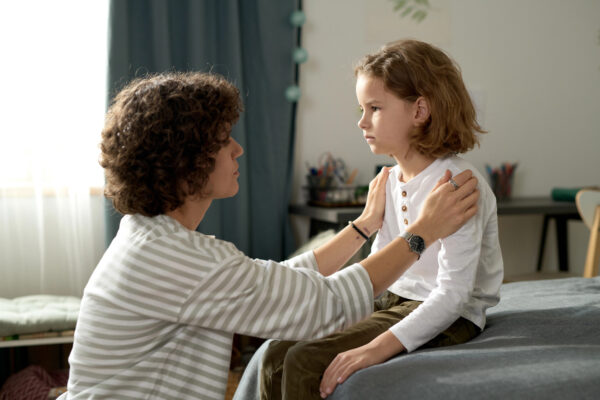
Raising a respectful child is one of the most important aspects of parenting. Respect forms the foundation for healthy relationships, personal integrity and empathy. Children who understand respect are more likely to thrive socially and emotionally, both at home and in wider society. While it doesn’t happen overnight, there are practical ways parents can nurture this trait from an early age.
Model Respect in Everyday Life
This private school in Surrey suggests that children learn more from what you do than what you say. They are observant and often mirror adult behaviour, particularly that of their parents or caregivers. Demonstrate respect in your interactions—whether you're speaking politely to a shop assistant, listening attentively to a friend, or handling disagreements with calmness.
Show them what respectful behaviour looks like by:
• Saying "please" and "thank you"
• Acknowledging other's opinions
• Apologising when you're wrong
• Listening without interrupting
When your child sees these behaviours modelled consistently, they’re more likely to adopt them.
Set Clear Expectations and Boundaries
Respect doesn’t mean allowing children to do whatever they like. In fact, having consistent boundaries helps children understand what is acceptable and what is not. Explain why certain behaviours are inappropriate and how they affect others.
Use age-appropriate language to make expectations clear. For example, you might say:
“It’s important to wait your turn when someone else is speaking. That shows you value their words.”
Make sure consequences for disrespectful behaviour are fair and followed through in a calm, consistent manner.
Teach Empathy and Understanding
Helping your child see things from another person’s perspective is key to raising a respectful individual. Encourage them to consider how their actions affect others. You can do this through:
• Storytelling and role play
• Discussing feelings and emotions openly
• Asking questions like - "How would you feel if that happened to you?"
Children who learn empathy are more likely to behave considerately and treat others with kindness.
Praise Respectful Behaviour
Positive reinforcement works wonders. When your child behaves respectfully—be it through sharing, listening, or speaking kindly—acknowledge it. A simple, “I noticed how nicely you waited your turn; that was very respectful,” can make a lasting impression.
Praise should be specific and genuine. This not only boosts their confidence but also helps them understand exactly which behaviour is being appreciated.
Encourage Independence with Responsibility
Giving your child age-appropriate responsibilities—such as tidying up toys, helping set the table or caring for a pet—teaches them accountability. When children feel trusted and capable, they’re more likely to show respect towards rules, routines, and others’ time and effort.
Let them make choices and experience natural consequences in a supportive environment. This builds self-respect and, in turn, encourages respectful behaviour towards others.
Raising a respectful child takes patience, consistency and compassion. By modelling respectful behaviour, teaching empathy, setting boundaries, and recognising their efforts, you're equipping your child with the tools they need to grow into a kind, thoughtful and emotionally intelligent adult.
Respect, after all, is not just about manners—it’s about understanding and valuing others. And that begins at home.