
In recent years, online learning has become an integral part of education for students of all ages. Whether it’s through virtual classrooms, on-demand courses or interactive platforms, the digital shift has changed the way we access and engage with learning. But what does online learning actually look like in practice?
A Flexible, Personalised Approach
One of the biggest advantages of online learning is its flexibility. Unlike traditional classroom settings with rigid timetables, online school often allows learners to study at their own pace. Many platforms offer recorded lessons, downloadable resources and discussion forums that students can access at a time that suits them.
This flexibility is particularly beneficial for those balancing education with work or family commitments. It also allows for a more personalised approach, where learners can revisit topics they find challenging or accelerate through areas they grasp quickly.
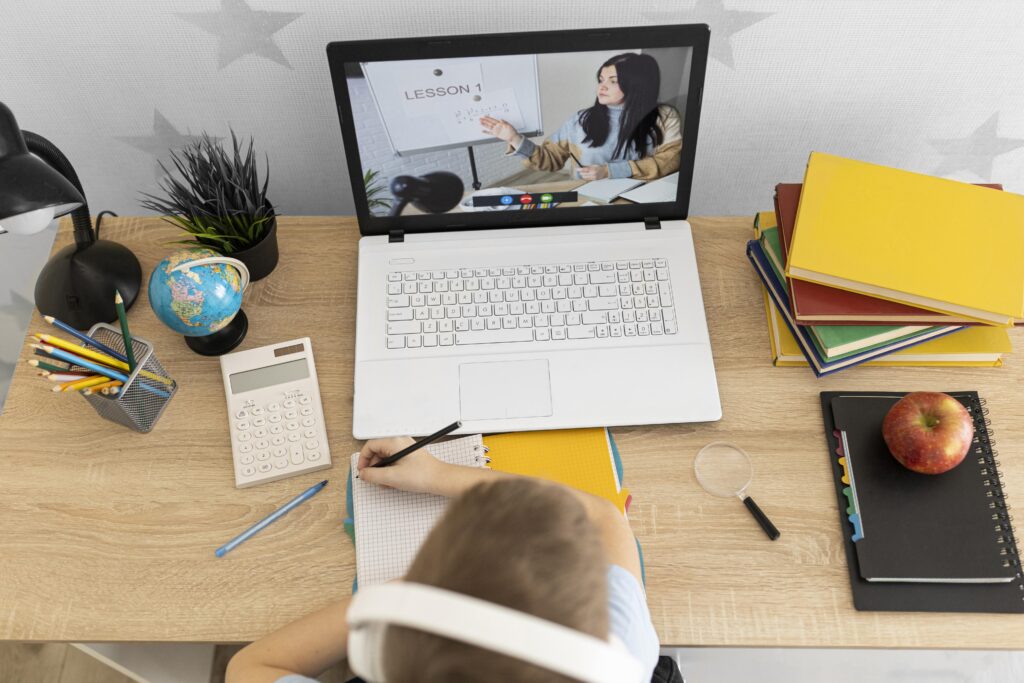
Virtual Classrooms and Real-Time Interaction
Despite being remote, online learning doesn’t mean learning alone. Virtual classrooms are a common feature of many online learning platforms, enabling real-time interaction between students and teachers via video conferencing tools like Zoom, Microsoft Teams or Google Meet.
These live sessions often include breakout rooms for group work, interactive polls, digital whiteboards and screen sharing, creating a collaborative environment that mirrors in-person learning. Teachers can monitor progress, provide immediate feedback and encourage active participation, helping students stay engaged.
A Wide Range of Tools and Platforms
Online learning is supported by a variety of digital tools designed to enhance the educational experience. Learning Management Systems (LMS) such as Moodle, Canvas and Google Classroom help organise content, assignments and communication in one central hub.
Students might also use tools like Kahoot! for quizzes, Padlet for brainstorming, or educational apps for practising language skills, maths or coding. These technologies help cater to different learning styles, making education more accessible and engaging for all.
Assessments and Feedback
Assessment in online learning can take many forms. In addition to traditional essays and exams, students may complete quizzes, video presentations, or participate in discussion boards as part of their evaluation. Many platforms offer automated feedback for instant results, while teachers can provide personalised comments through video or text.
The emphasis is often on formative assessment—ongoing feedback that helps students improve—as well as summative assessments that evaluate final understanding.
Challenges and Support
While online learning offers many benefits, it’s not without its challenges. Technical issues, lack of motivation, and feelings of isolation can affect students’ progress. That’s why a good online learning environment includes robust support systems, such as regular check-ins with teachers, access to technical help, and mental health resources.
Parents and carers also play a vital role, particularly for younger learners, by creating a structured home learning environment and providing encouragement and guidance.
The Future of Learning
Online learning is no longer a temporary solution—it’s becoming a permanent fixture in the education landscape. As technology continues to evolve, we can expect even more immersive experiences, from AI-driven personal tutors to virtual reality classrooms.
In summary, online learning is diverse, dynamic and increasingly tailored to the individual. It opens up new possibilities for students across the world, reshaping how we think about education in the 21st century.